Fertilizing My Bromeliad Medusa to Double Its Growth
Neoregelia 'Medusa'
By the Greg Editorial Team
Jun 18, 2024•4 min read
This article was created with the help of AI so we can cover more plants for you. May contain errors. See one? Report it here.
Nourish your Bromeliad Medusa to double its dazzle 🌟 with the perfect fertilizer mix and schedule! 📅
- Optimal N-P-K ratio 5-10-5 for flower growth, not foliage.
- Fertilize seasonally: more in summer, less in fall.
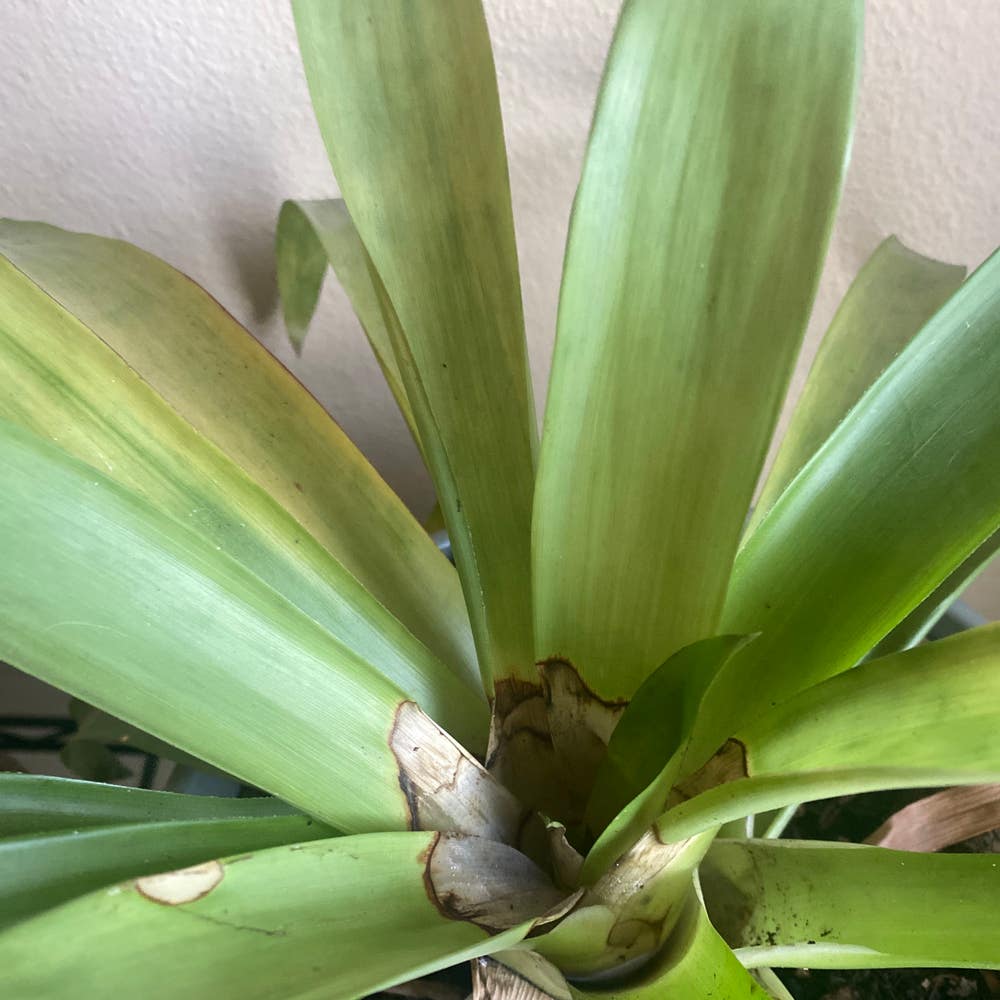
- Spot over-fertilization by yellow leaves, crispy tips, white soil crust.
Picking the Right Fertilizer for Your Bromeliad Medusa
💧 Organic vs. Synthetic: What's Best for Your Bromeliad?
In the fertilizer face-off for your Bromeliad Medusa, organic options are the tortoises—slow and steady. They nurture the soil and your plant over time. Synthetic fertilizers are the hares, quick to deliver nutrients but with a risk. Overuse can lead to nutrient burn, so wield them with care.
🌱 Understanding the Magic N-P-K Ratio for Bromeliad Medusa
The N-P-K ratio is like a plant's dietary label. For Bromeliad Medusa, a 5-10-5 blend is optimal, fostering flowers over foliage. Too much nitrogen and you'll get all leaves and no show. Remember, phosphorus is your bloom booster.
🌿 The Lowdown on Slow-Release vs. Liquid Fertilizers
Slow-release fertilizers are the set-it-and-forget-it kind, gradually feeding your plant. Liquid fertilizers, on the other hand, are akin to a quick snack—fast-acting and perfect for a controlled feeding regimen. Choose liquid for Bromeliad Medusa, diluting it to avoid overfeeding these slow-growers.

Crafting the Perfect Fertilizing Schedule
💡 Timing is Everything: When to Fertilize for Optimal Growth
Spring ushers in growth for your Bromeliad Medusa, making it the ideal time to start your fertilizing regimen. As the days get longer, so should your attention to feeding. Transition to less frequent fertilization when autumn arrives and growth naturally slows.
💡 Seasonal Smarts: Adjusting Your Fertilizing with the Seasons
Summer is the Bromeliad Medusa's high season for nutrient intake, aligning with its active growth phase. This is when a balanced fertilizer can work wonders. Come fall, dial back. About two months before the first frost, reduce both the amount and frequency to let your plant ease into dormancy stress-free.
💡 Growth Stages: Tailoring Fertilizer Use as Your Bromeliad Matures
As your Bromeliad Medusa matures, its nutrient needs shift. Young plants are hungry for growth, so monthly feedings are key. But as they age, especially after blooming, they'll need less. Keep an eye on cues like leaf color and growth rate to adjust your approach. Remember, over-fertilization can be just as detrimental as neglect.

Fertilizer Application: Doing it Right
💧 Mixing it Up: Getting the Dilution Ratios Just Right
Getting the dilution ratios right is like hitting the sweet spot in a recipe. Start with a half-strength solution of the recommended dose to avoid the dreaded fertilizer burn. It's crucial to follow the label's instructions, but don't be afraid to adjust based on your Bromeliad Medusa's response.
🎯 Where to Apply: Keeping the Central Cup Safe
When applying fertilizer, avoid the central cup to prevent damage. Feeder roots are your target; they're located in the outer 2/3 of the plant's soil. Picture the plant's shadow at noon—that's your application zone. For potted plants, keep granular fertilizers away from the stem and distribute evenly over the potting soil.
🌸 Blooming Boost: Fertilizing to Encourage Those Gorgeous Flowers
To encourage blooming, use a balanced liquid fertilizer diluted to half strength, once a month. It's a well-timed pep talk for your plant. Watch for cues and adjust as needed—over-fertilizing can do more harm than good. Aim for the Goldilocks zone: not too strong, not too weak, but just right.

Recognizing and Fixing Over-Fertilization
🚩 Spotting Trouble: Signs Your Bromeliad Medusa Has Had Too Much
Overzealous with the plant food? Yellowed leaves and crispy tips might be your Bromeliad Medusa waving a white flag. A white crust on the soil is like your plant's way of saying, "I'm stuffed!" If roots look more like they've been through a bonfire than a spa day, you've got root burn. And if your plant is wilting despite the soil feeling like a wet sponge, that's a classic over-fertilization SOS.
🛠️ The Recovery Plan: Dialing Back and Caring for an Over-Fertilized Plant
First, ditch any visible fertilizer—think of it as decluttering your plant's personal space. Then, it's time for a good old-fashioned flush. Drench the soil with water to send those excess nutrients packing. This isn't a one-time deal; repeat every few days. Prune the casualties because they're not coming back from the dead. If things look grim, consider a soil transplant—a fresh start can work wonders. And remember, hold off on the fertilizer for a few weeks; let your plant detox and recover.
⚠️ Safety First
This content is for general information and may contain errors, omissions, or outdated details. It is not medical, veterinary advice, or an endorsement of therapeutic claims.
Always consult a qualified healthcare professional before using any plant as food, medicine, or supplement.
Never eat any plant (or feed one to pets) without confirming its identity with at least two trusted sources.
If you suspect poisoning, call Poison Control (800) 222-1222, the Pet Poison Helpline (800) 213-6680, or your local emergency service immediately.
Spotted an error? Please report it here.
Achieve double growth 🌿 in your Bromeliad Medusa by using Greg to tailor your fertilizing plan to the seasons for a flourishing display.