Why Are My Bromeliad Medusa Leaves Falling Over?
Neoregelia 'Medusa'
By the Greg Editorial Team
Jun 18, 2024•5 min read
This article was created with the help of AI so we can cover more plants for you. May contain errors. See one? Report it here.
Stop the slump: Learn how to keep your Bromeliad Medusa standing tall! 🌿🔍
- Droopy leaves mean health issues; firm, upright leaves with a curve are normal.
- Water and light balance is key; adjust for optimal Bromeliad Medusa care.
- Repot for growth and stability, ensuring a larger pot with proper drainage.
Spotting the Signs: When Your Bromeliad Medusa Starts to Slump
🍂 Identifying Droopy Leaves
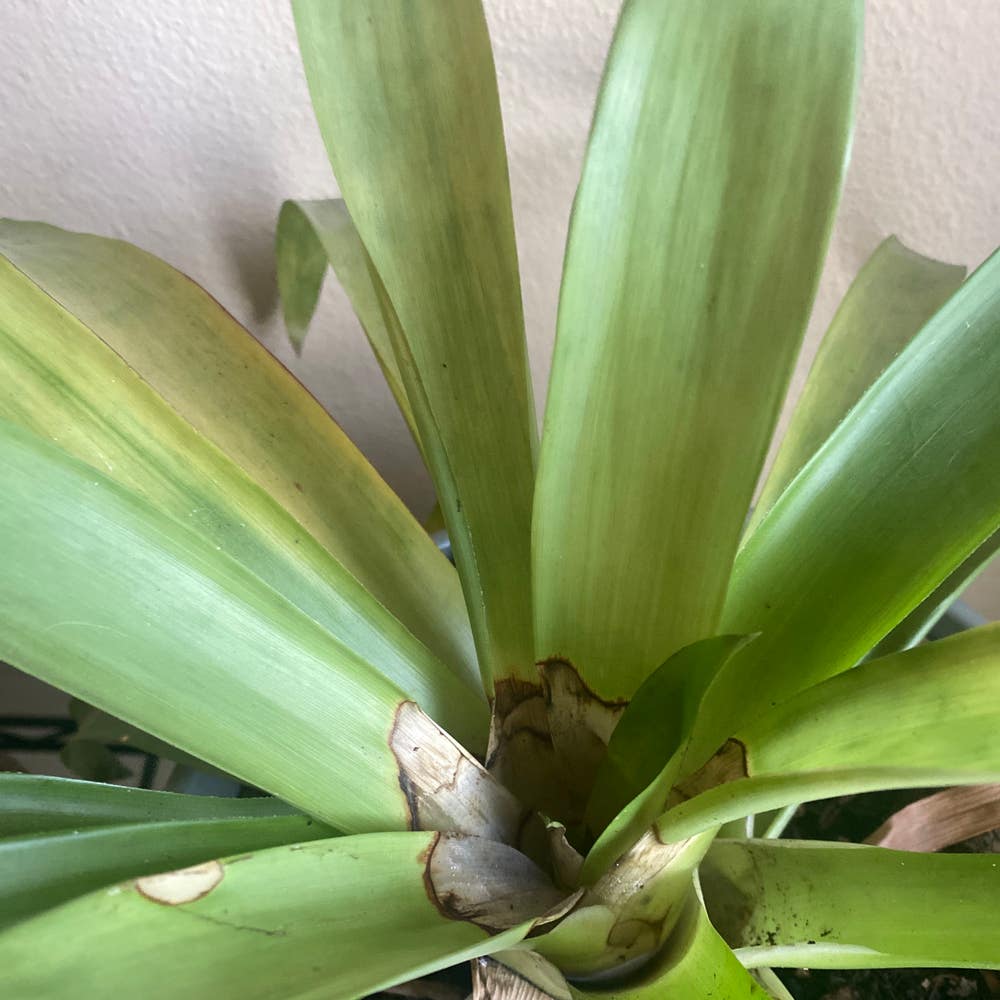
Droopy leaves in your Bromeliad Medusa can be a real head-scratcher. Unlike the natural arch of a healthy leaf, a slump suggests your plant's in a funk. Look for leaves that once reached for the stars but now resemble a deflated party balloon. If your Bromeliad's leaves are more limp than a forgotten celery stick in the back of the fridge, it's time for a plant pep talk.
🌿 Differentiating from Natural Growth Patterns
Bromeliad Medusa leaves have a natural flair, but when they start to look like they've given up on life, it's not just an aesthetic issue. Natural growth patterns typically include firm, upright leaves with a slight curve. If your plant's leaves are bending over backwards like a contortionist, that's not normal. It's the plant's way of waving a white flag.
🚩 Recognizing Signs of Distress
The signs of a distressed Bromeliad Medusa can be as subtle as a sulk or as obvious as a tantrum. Leaves falling off with a gentle tug? That's a cry for help. An unpleasant odor or a center that's more brown and soggy than a day-old latte? Your plant's telling you it's in trouble. Keep an eye out for these red flags and get ready to spring into action.

The Root of the Problem: Common Causes for the Droops
💧 Water Woes: Too Much or Too Little
Overwatering turns your Bromeliad Medusa's roots into a mushy mess, a clear distress signal. If the soil feels like a swamp, it's time to let it dry out. Conversely, underwatering leaves the soil bone-dry and your plant thirstier than a marathon runner. Check the soil moisture before watering; your plant's life depends on this balance.
🌞 Light Levels: Finding the Sweet Spot
Too much sun can scorch your Bromeliad Medusa, while insufficient light leaves it reaching for more. Bright, indirect light is the sweet spot. Assess your current lighting; if it's more like a tanning bed than a cozy reading nook, it's time to move your plant.
🌱 Cramped Quarters: When Roots Need Room
A tight pot can topple your Bromeliad Medusa faster than a clumsy cat. Signs of a pot-bound plant include roots circling the pot as if they're in a never-ending race. If your plant's roots are more tangled than last year's Christmas lights, give them space. Repotting in a larger home with room to grow is the way to go.

Turning the Tide: Solutions to Straighten Up
💧 Fine-Tuning Watering Techniques
Adjust your watering routine to achieve optimal moisture. Overwatering can lead to a soggy mess, while underwatering turns your Bromeliad Medusa into a desert dweller. Check the soil's top inch; if dry, it's time to water. Use room-temperature water to avoid shocking the roots.
Tools and Tricks for Perfect Watering
Consider moisture meters or self-watering pots to maintain consistent soil moisture. These gadgets take the guesswork out of watering, ensuring your Bromeliad Medusa stays perfectly hydrated.
🌞 Lighting the Way to Stability
Proper lighting is crucial for leaf stability. Too much sun can scorch leaves, while too little leaves them reaching for light, potentially causing droopiness. Assess your current lighting; if it's not hitting the sweet spot, it's time for a change.
When to Move Your Plant for Better Light Exposure
Rotate your Bromeliad Medusa regularly to ensure even light exposure. If natural light is insufficient, artificial grow lights can be a game-changer. They're like a personal sun for your plant, minus the risk of sunburn.
🌱 Giving Roots the Space to Grow
A cramped pot can restrict root growth, leading to a top-heavy plant that's prone to tipping over. Repotting gives your Bromeliad Medusa room to spread its roots.
Ensuring a Stable Foundation Post-repotting
Choose a pot that's one size larger with proper drainage. Use a well-draining soil mix to prevent waterlogging. After repotting, water thoroughly to help the plant settle in. Remember, a stable foundation is key to a perky plant.

Prevention: Keeping Your Bromeliad Medusa Upright
🛡️ Proactive Measures Against Future Flops
Consistency is your plant's best friend. Establish a routine that includes regular inspections for pests, proper watering, and ensuring the right light conditions.
🌿 Creating an Ideal Environment
Humidity and airflow are crucial. A tray of wet pebbles or a humidifier can boost moisture levels. But don't let it stagnate; that's an invitation for trouble.
🌡️ Temperature and Ventilation
Keep the temperature between 60 to 80 °F. Good ventilation helps prevent disease, so consider a gentle fan to keep the air moving.
🌞 Light: The Balancing Act
Bright, indirect light is what your Bromeliad Medusa craves. Too much sun leads to burn, too little to legginess. Adjust as needed, and remember, 50% shade is a solid rule of thumb.
💧 Watering Wisdom
For terrestrial types, let the soil dry between waterings. For epiphytes, keep the central 'tank' filled but flush it every couple of weeks to prevent stagnation.
🌱 Repotting Routines
Don't wait until the roots are bursting out of the pot. Plan regular check-ups and repot when necessary to give those roots room to breathe.
🐜 Pest Patrol
Regularly check for pests like mealybugs and aphids. Isolate new plants for three weeks to prevent introducing pests to your plant family.
🌱 The Right Soil
Ensure you're using free-draining soil. It's the foundation of your plant's health, so don't skimp on quality.
💧 Mind the Minerals
Tap water can leave harmful deposits. Use rain or distilled water to avoid mineral buildup in the central tank.
By staying vigilant and maintaining these care practices, you're not just preventing droops; you're setting the stage for a thriving, upright Bromeliad Medusa.
⚠️ Safety First
This content is for general information and may contain errors, omissions, or outdated details. It is not medical, veterinary advice, or an endorsement of therapeutic claims.
Always consult a qualified healthcare professional before using any plant as food, medicine, or supplement.
Never eat any plant (or feed one to pets) without confirming its identity with at least two trusted sources.
If you suspect poisoning, call Poison Control (800) 222-1222, the Pet Poison Helpline (800) 213-6680, or your local emergency service immediately.
Spotted an error? Please report it here.
Revive your Bromeliad Medusa from droopy to dazzling 🌟 with Greg's custom care plan ensuring the perfect balance of water and light.