🌡 What Is A Good Temperature Range For My Bromeliad Medusa?
Neoregelia 'Medusa'
By the Greg Editorial Team
Jun 18, 2024•2 min read
This article was created with the help of AI so we can cover more plants for you. May contain errors. See one? Report it here.
Ensure lush Bromeliad Medusa growth with the perfect 60-80°F range. 🌡️🌿
- 60°F to 80°F is ideal for Bromeliad Medusa's health and blooms.
- 🍂 Watch for wilting/discoloration as signs of temperature distress.
- 🌡️ Consistent temperature and humidity are crucial for growth and flowering.
Introduction
Dive into the world of Bromeliad Medusa and discover the ideal temperature range for this tropical beauty.
🌡️ Ideal Temperature Range for Bromeliad Medusa
Bromeliad Medusa thrives in temperatures that mimic its native tropics. 60°F to 80°F is the sweet spot for this plant, promoting healthy growth and vibrant colors. Straying outside this range can stress the plant, leading to a host of issues.
👀 Spotting Temperature Trouble
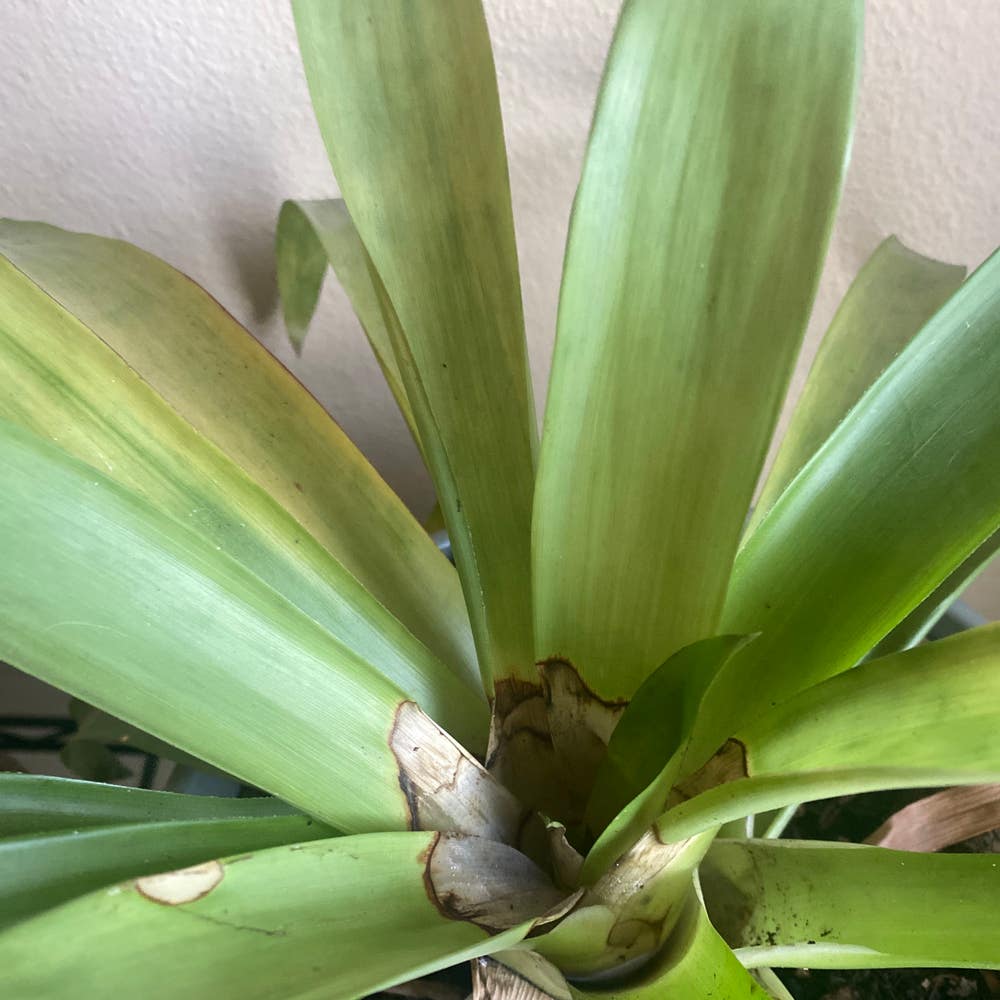
Wilting or discolored leaves are distress signals from your Bromeliad Medusa. It's crying out for a more temperate environment. Recognize when your plant is too hot or too cold and act swiftly to correct it.
🚫 Common Culprits of Temperature Stress
Avoid placing your Bromeliad Medusa in drafty areas or under the harsh rays of direct sunlight. Both can cause temperature stress, leading to a less than happy plant.
🌸 Blooms and Thermometers: Temperature's Role in Flowering
Warmth is a key player in coaxing out those stunning blooms. However, there's a delicate balance—too hot or too cold, and you'll miss the flowering "Goldilocks zone."
🌬️ Quick Note on Humidity
Humidity goes hand-in-hand with temperature. Aim for a balanced environment to keep your Bromeliad Medusa at its best. Too dry or too damp can spell trouble, so keep a watchful eye on moisture levels.

Conclusion
In the lush world of Bromeliad Medusa, temperature is king. Keeping your plant within the 60°F to 80°F range is like hitting the botanical jackpot, ensuring your Medusa doesn't get a cold shoulder or a heatstroke. Remember, these tropical treasures thrive on consistency, so avoid placing them where drafts or temperature fluctuations are part of the daily routine.
Spotting signs of temperature distress early can save your bromeliad from a meltdown. Wilting or discoloration? Time to reassess your plant's position. And don't forget, while Bromeliad Medusa might not demand a diva-level dressing room, it does appreciate a stable environment to show off its stunning blooms.
Lastly, let's not overlook humidity – it's the silent partner to temperature. A balanced act of moisture in the air complements the warmth, making your bromeliad's habitat one step closer to its native tropical paradise. So, keep your thermometer steady and your spritzer handy, and your Bromeliad Medusa will reward you with a performance of growth and color that's nothing short of spectacular.


⚠️ Safety First
This content is for general information and may contain errors, omissions, or outdated details. It is not medical, veterinary advice, or an endorsement of therapeutic claims.
Always consult a qualified healthcare professional before using any plant as food, medicine, or supplement.
Never eat any plant (or feed one to pets) without confirming its identity with at least two trusted sources.
If you suspect poisoning, call Poison Control (800) 222-1222, the Pet Poison Helpline (800) 213-6680, or your local emergency service immediately.
Spotted an error? Please report it here.
Ensure your Bromeliad Medusa blooms beautifully 🌡 by using Greg to monitor and guide you in maintaining the ideal temperature range from this care guide.