🐍 How Should Bromeliad Medusa Be Cut Back?
Neoregelia 'Medusa'
By the Greg Editorial Team
Jun 18, 2024•4 min read
This article was created with the help of AI so we can cover more plants for you. May contain errors. See one? Report it here.
Prune your Bromeliad Medusa 🌿 at the perfect time for lush growth and lasting beauty!
- Prune when discolored or wilted: Align with spring/fall growth cycles.
- Use sharp, clean tools: Protect plant tissue and prevent disease.
- Post-pruning care: Moderate water, indirect light, and light fertilizer.
Best Time to Wield the Shears
🌺 Spotting the Signs
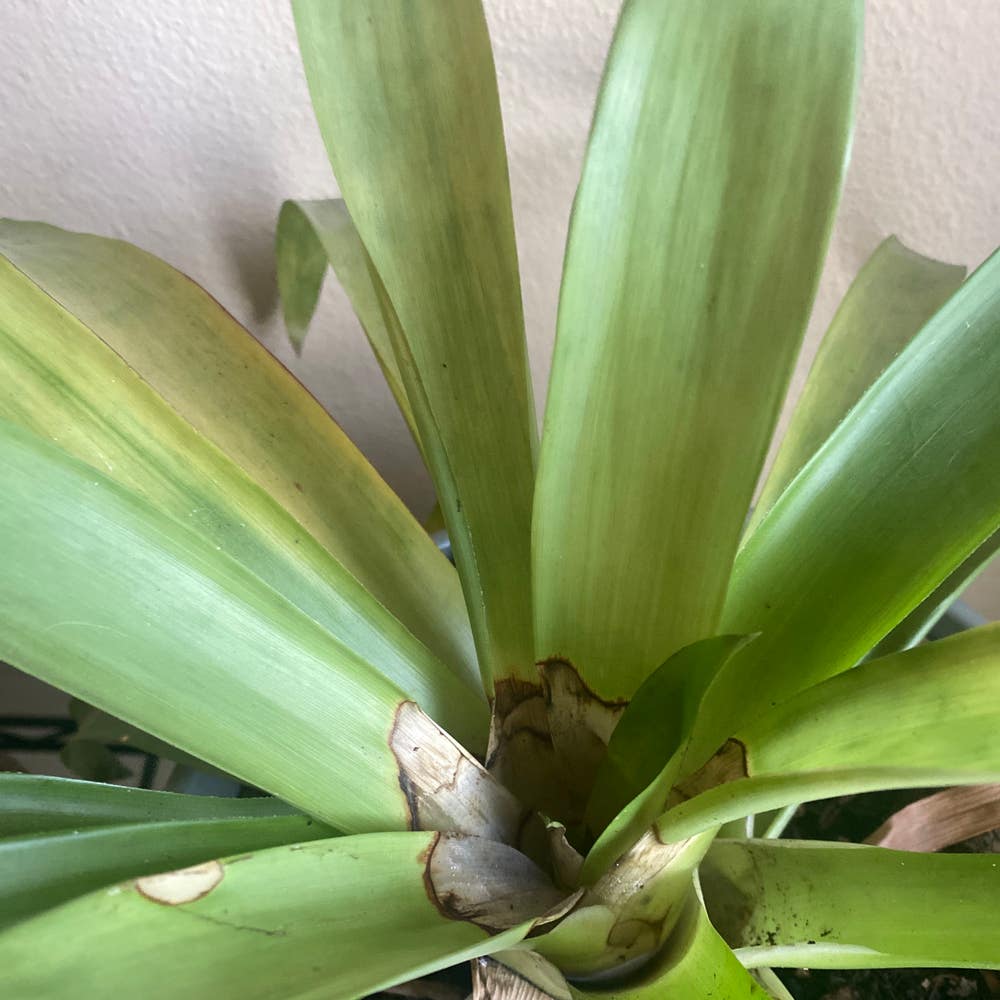
Timing is everything when it comes to pruning your Bromeliad Medusa. You'll want to wait for the tell-tale signs that it's ready for a trim. Look for a flower spike that's changing color or starting to wilt. This isn't just an aesthetic cue; it's the plant's natural signal that it's shifting energy from blooming to growing. Brown tips or a general lackluster appearance are your green light to get snipping.
🍂 Seasonal Smarts
Pruning in the right season is crucial for the health of your Bromeliad Medusa. Spring and fall are the golden times, aligning with the plant's growth cycles. Avoid winter pruning—it's the botanical no-man's-land. Post-flowering is prime time, as the plant is gearing up for new growth. If you've missed the window, don't panic—just focus on care to help your plant bounce back.

Gear Up: Choosing Your Tools
🔪 Sharp and Clean
Selecting the right tools for pruning Bromeliad Medusa is not just about effectiveness, it's about respect for the plant. Sharp scissors or pruning shears are non-negotiable. Dull blades can crush and damage the plant's tissue, leading to poor healing and potential disease. Before you make the first cut, ensure your shears are not just clean but sterile. A quick swipe with rubbing alcohol or a dip in a bleach solution will keep diseases at bay.
👷 Safety First
Protective gear is your personal armor in the garden. Donning gloves is a smart move to avoid getting plant sap on your hands, which can be irritating for some people. Long sleeves and pants can shield you from any unexpected pokes from the plant's spiky edges. And let's not forget safety goggles – because nothing interrupts a pruning session like a rogue leaf in the eye. Remember, safety is paramount, not just for you but also for the well-being of your Bromeliad Medusa.

The Art of Pruning Bromeliad Medusa
✂️ Trimming the Central Rosette
The central rosette of your Bromeliad Medusa is the showpiece. Trim it when leaves go brown or look worse for wear. Sharp, clean scissors or pruning shears are your best friends here. Cut as close to the base as possible without damaging the healthy parts. This isn't just a vanity project; it's like a health check-up for your plant.
🌱 Handling the Offshoots
Bromeliad Medusa's pups are its future. Decide to remove them when they're one-third the size of the mother plant. Twist gently or use a sterile knife to separate them, ensuring each pup has its own roots. It's like playing plant surgeon, but the outcome is more plants, not fewer body parts.

After the Snip: Immediate Aftercare
💦 Encouraging Recovery
After pruning your Bromeliad Medusa, immediate care is crucial. Water the plant moderately to avoid stress, but be wary of overwatering which can lead to root rot. The goal is to maintain a balance that encourages recovery without drowning the plant in good intentions.
Keeping it Pretty
Post-trim, Bromeliad Medusa will need some aesthetic upkeep. Remove any stray or dead leaves to keep it looking tidy. Ensure the plant gets plenty of bright, indirect light; this will promote new growth without scorching the leaves. It's like giving your plant a pair of sunglasses—protection with a view.
Remember, fertilizing should be done with a light hand. A diluted, balanced fertilizer can be introduced a few weeks after pruning to support new growth. Think of it as a gentle nudge rather than a shove for your plant's growth.
Keep an eye out for new shoots. These are the high-fives your Bromeliad Medusa is giving you for a job well done. If growth seems sluggish, reassess your care strategy—your plant's telling you something's not quite right.
⚠️ Safety First
This content is for general information and may contain errors, omissions, or outdated details. It is not medical, veterinary advice, or an endorsement of therapeutic claims.
Always consult a qualified healthcare professional before using any plant as food, medicine, or supplement.
Never eat any plant (or feed one to pets) without confirming its identity with at least two trusted sources.
If you suspect poisoning, call Poison Control (800) 222-1222, the Pet Poison Helpline (800) 213-6680, or your local emergency service immediately.
Spotted an error? Please report it here.
Achieve a flourishing Bromeliad Medusa 🌱 by using Greg to pinpoint the perfect pruning times and get post-trim care tips from our plant-loving community.