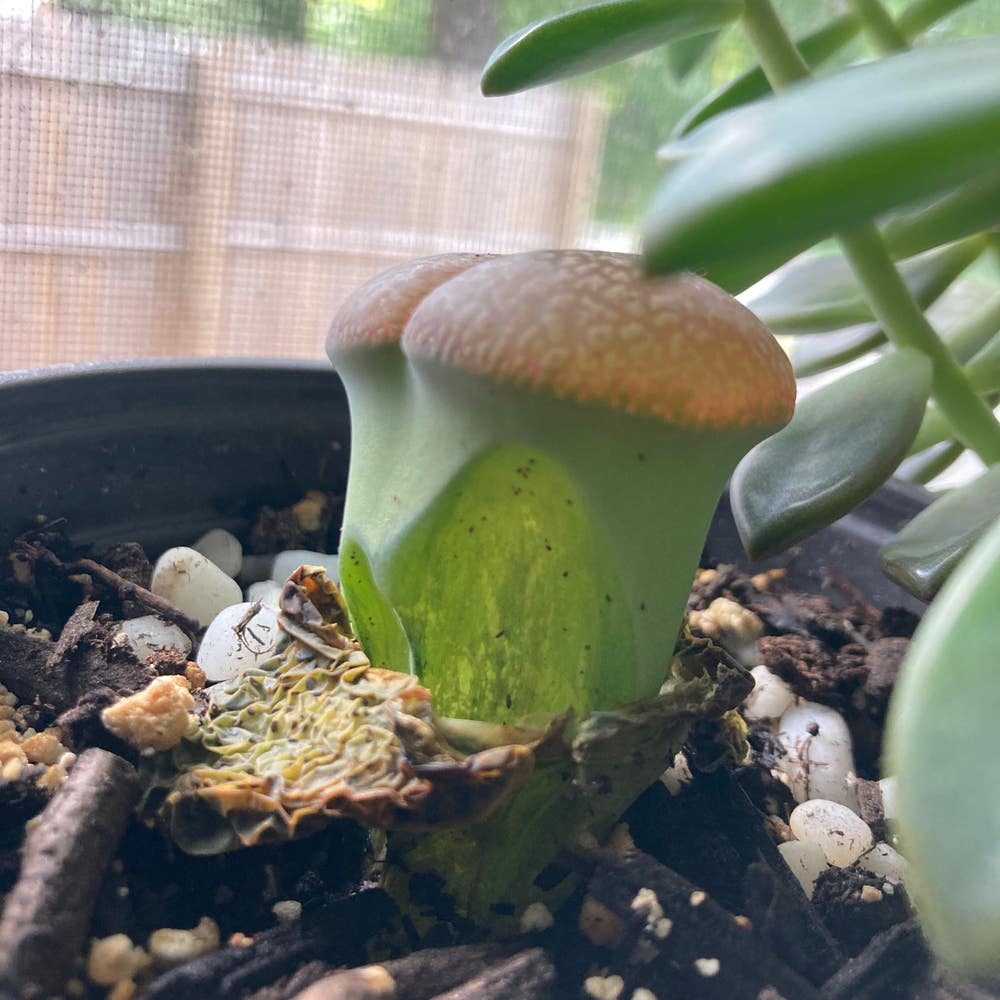
Your Living Stone's Light Requirements
Lithops aucampiae
By the Greg Editorial Team
Oct 18, 2024•4 min read
This article was created with the help of AI so we can cover more plants for you. May contain errors. See one? Report it here.
Maximize your living stones' growth 🌱 by mastering light exposure for vibrant health and stunning blooms!
- 🌞 Bright, indirect light for 12-14 hours daily is essential for living stones' growth.
- 📏 Use a light meter to ensure 2000-3000 lux for optimal health.
- 🌿 Avoid direct sunlight to prevent leaf burn and stress in living stones.
Importance of Light for Growth
🌱 Photosynthesis and Growth
Light is crucial for photosynthesis, the process that allows plants to convert sunlight into energy. Without adequate light, your living stones can experience stunted growth and overall poor health.
🌞 Sensitivity to Shade
Living stones have adapted to thrive in arid environments, where they minimize water loss while maximizing light absorption. However, too much shade can lead to increased risks of rot and decline, making it essential to find the right balance.
Understanding these light requirements is key to nurturing healthy plants. Next, let’s explore the optimal light conditions for indoor growth.
Optimal Light Conditions for Indoor Growth
Recommended Light Levels 🌞
To thrive, your living stone needs 12-14 hours of bright, indirect light each day. A light meter can help you measure this, aiming for levels around 2000-3000 lux to ensure your plant is getting enough energy.
Placement in the Home 🪴
For optimal light exposure, position your plant near south or west-facing windows. However, be cautious of direct sunlight, especially during the harsh afternoon hours, as it can lead to leaf burn and stress for your plant.
By ensuring the right light conditions, you set the stage for vibrant growth and health. Next, let’s explore how to create the perfect outdoor environment for your living stone.
Optimal Light Conditions for Outdoor Growth
🌞 Sunlight Exposure
For your living stones to thrive, they need full sun exposure for at least six hours a day. Morning sun is particularly beneficial, as it warms the plants gently and helps prevent overheating later in the day.
🍂 Seasonal Considerations
As the seasons change, so do the light conditions. Regularly monitor how much sunlight your plants receive; you may need to move pots to ensure they get optimal exposure.
In winter, it's crucial to protect your plants from frost while still providing adequate light. A little extra care during this season can make a significant difference in their health and growth.
With the right sunlight exposure and seasonal adjustments, your living stones will flourish outdoors. Next, let’s explore how light plays a vital role in their flowering process.
Role of Light in Flowering
Understanding Flowering Timing 🌼
Your living stone typically flowers from late summer to early fall. This period is crucial for ensuring that your plant can produce vibrant blooms.
Light Requirements for Flowering 💡
Consistent bright light is essential leading up to the flowering season. Without adequate light, your plant may struggle to produce flowers, leading to disappointing results.
Importance of Consistency 📅
Maintaining a steady light schedule helps your plant prepare for its blooming phase. Aim for around 12-14 hours of bright, indirect light daily to support healthy growth and flowering.
Preparing for Blooming 🌸
As the flowering period approaches, ensure your plant receives the right light conditions. This preparation can make all the difference in achieving a stunning display of flowers.
Transitioning to the Next Topic 🔄
With a solid understanding of light's role in flowering, let's explore how to optimize light conditions for indoor growth.
Use of Grow Lights for Indoor Cultivation
🌱 Types of Grow Lights
When it comes to indoor cultivation, choosing the right grow light is crucial. LED grow lights are a popular choice due to their energy efficiency and effectiveness across all growth stages.
Fluorescent lights are another option, particularly beneficial for seedlings and young plants. They provide a softer light that helps nurture delicate growth without overwhelming them.
🌟 Benefits of Using Grow Lights
Using grow lights ensures consistent light availability, especially in low-light environments or during the winter months. This reliability can make a significant difference in plant health and growth.
Additionally, grow lights allow you to control the light spectrum. This means you can tailor conditions to promote both growth and flowering, giving your plants exactly what they need to thrive.
📏 How to Position Grow Lights
Proper positioning of grow lights is essential for optimal plant health. Keep the lights 12-24 inches above the plants, adjusting based on the type of light you’re using.
For best results, run your grow lights for 12-14 hours daily. This duration mimics natural sunlight exposure, helping your plants flourish indoors.
With the right grow lights and positioning, you can create an ideal environment for your plants, ensuring they receive the light they need to grow strong and healthy. Next, let’s explore how light influences flowering in plants.
⚠️ Safety First
This content is for general information and may contain errors, omissions, or outdated details. It is not medical, veterinary advice, or an endorsement of therapeutic claims.
Always consult a qualified healthcare professional before using any plant as food, medicine, or supplement.
Never eat any plant (or feed one to pets) without confirming its identity with at least two trusted sources.
If you suspect poisoning, call Poison Control (800) 222-1222, the Pet Poison Helpline (800) 213-6680, or your local emergency service immediately.
Spotted an error? Please report it here.
Keep your living stones thriving and blooming 🌼 by using Greg's tailored light reminders and monitoring tools to ensure they get the perfect amount of sunlight every day!