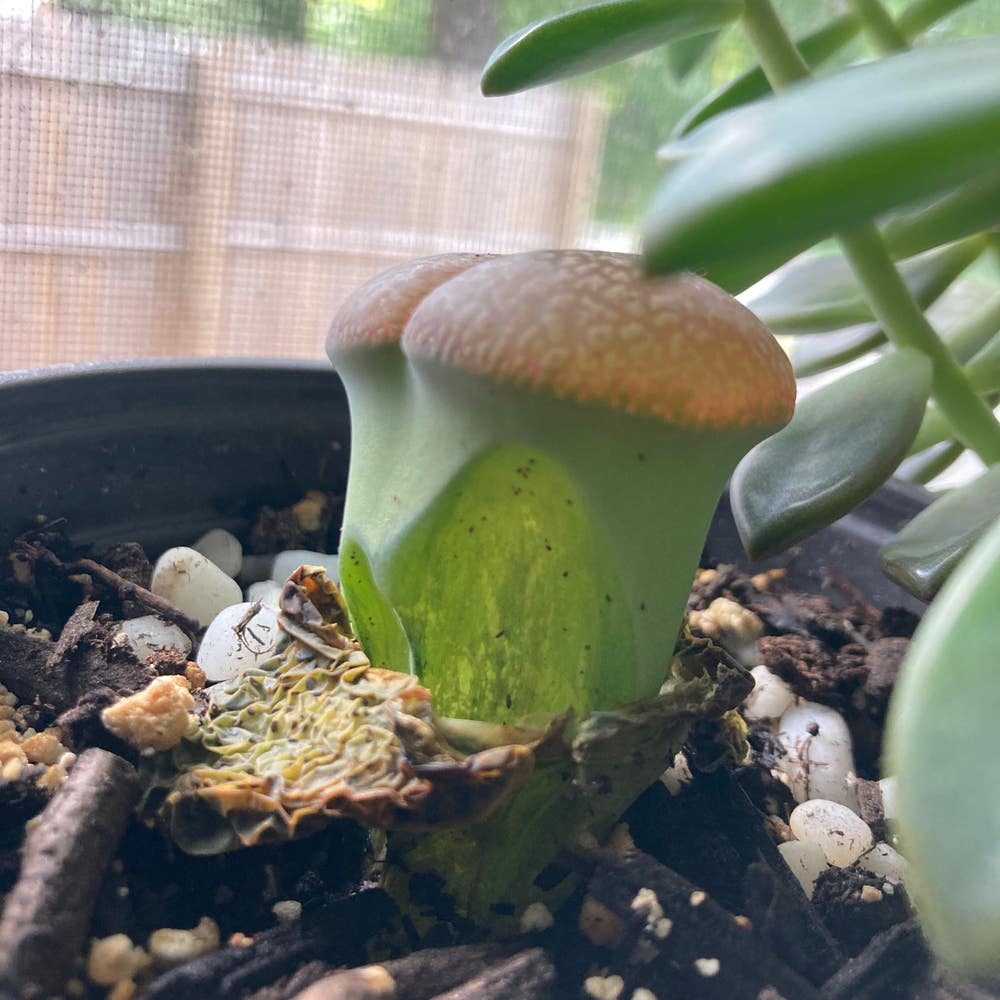
🪨 How to Cure Leaves Falling Over on Your Living Stone
Lithops aucampiae
By the Greg Editorial Team
Oct 18, 2024•4 min read
This article was created with the help of AI so we can cover more plants for you. May contain errors. See one? Report it here.
Transform your Lithops care routine and stop leaf drop with these vital tips for thriving succulents! 🌱💧
- 💧 Overwatering causes leaves to fall; ensure soil dries completely between waterings.
- 🌞 Bright, indirect light is essential; relocate Lithops for optimal growth.
- 🐛 Pest detection is crucial; monitor for signs like webbing and discoloration.
Causes of Leaves Falling Over
💧 Overwatering and Its Effects
Overwatering is a common issue for Lithops, often leading to soft, mushy leaves and yellowing. If left unchecked, this can result in root rot and a significant decline in plant health.
🌵 Underwatering and Drought Stress
On the flip side, underwatering can cause noticeable signs of drought stress, such as wrinkled leaves and shriveling. Maintaining consistent moisture levels is crucial for the overall health of your Lithops.
☀️ Insufficient Light Exposure
Lithops thrive in bright, indirect light. When they don’t receive enough light, they may become etiolated, leading to weak growth and, ultimately, leaf drop.
🌡️ Temperature Fluctuations
These plants prefer a stable temperature range and are sensitive to frost. Extreme temperature changes can stress Lithops, resulting in leaves falling over.
🐛 Pest Infestations and Diseases
Pests like aphids and spider mites can wreak havoc on your Lithops. Signs of infestation include leaf discoloration, webbing, and overall decline, making early detection essential for effective treatment.
Understanding these causes is the first step in addressing the issue of falling leaves. Next, we’ll explore how to diagnose the specific problems affecting your Lithops.
Diagnosing the Problem
Signs of Overwatering vs. Underwatering 🌊
Overwatering can be a sneaky culprit behind your Lithops' woes. Look for signs like soft, mushy leaves, yellowing, and even root rot, which can lead to serious plant decline.
On the flip side, underwatering shows itself through wrinkled leaves and shriveling. If you notice stunted growth, it’s time to reassess your watering habits.
Identifying Light Issues 💡
Insufficient light can wreak havoc on your Lithops. Symptoms include etiolated growth, where the plant stretches awkwardly toward the light, and, ultimately, leaf drop.
To improve light exposure, consider relocating your plant to a spot with bright, indirect sunlight. This simple adjustment can make a world of difference.
Recognizing Pest Damage 🐛
Pests can be a major headache for Lithops lovers. Keep an eye out for visible pests, webbing, and any leaf damage, as these are common signs of infestations.
Early detection is crucial for effective treatment. The sooner you identify a pest problem, the better your chances of saving your plant.
With these diagnostic tips, you can pinpoint the issues affecting your Lithops and take action. Next, let’s explore some practical solutions and treatments to restore your plant’s health.
Solutions and Treatments
🌊 Adjusting Watering Practices
Establishing a consistent watering schedule is crucial for your Lithops. Adjust the frequency based on the season and environmental conditions to prevent overwatering or underwatering.
To check soil moisture, use the finger test or a moisture meter. Insert your finger about an inch into the soil; if it feels dry, it’s time to water.
Signs of proper watering include firm leaves and healthy growth. If your Lithops are thriving, you’re likely on the right track.
🕳️ Improving Soil Drainage
Using a well-draining succulent mix is essential for Lithops health. This type of soil prevents water from pooling around the roots, reducing the risk of root rot.
Selecting pots with drainage holes is equally important. Good drainage allows excess water to escape, keeping your plants happy and healthy.
💡 Optimizing Light Conditions
For optimal growth, place your Lithops near bright, indirect light sources. This setup mimics their natural habitat and promotes robust health.
Be mindful of seasonal changes. Adjust the plant's location as needed to ensure they receive adequate light throughout the year.
🐞 Pest Control Methods
Identifying common pests is the first step in protecting your Lithops. Look out for aphids, mealybugs, and spider mites, as these can cause significant damage.
Treatment options include neem oil, insecticidal soap, and manual removal. Early detection is key to effective pest management, so keep a close eye on your plants.
With these solutions in hand, you can nurture your Lithops back to health. Next, let’s explore preventive measures to keep your plants thriving long-term.
Preventive Measures
🌱 Best Practices for Lithops Care
Regular monitoring is crucial for keeping your Lithops healthy. Check for any changes in leaf texture or color, as these can signal underlying issues.
Proper watering techniques are essential. Always allow the soil to dry out completely between waterings to prevent overwatering, which can lead to root rot.
📅 Seasonal Care Tips
Adjusting care based on the seasons can make a significant difference. In warmer months, you may need to water more frequently, while in winter, reduce watering to avoid excess moisture.
Preparing for temperature changes is also vital. During colder months, consider bringing your Lithops indoors to protect them from frost and extreme temperature fluctuations.
⚠️ Safety First
This content is for general information and may contain errors, omissions, or outdated details. It is not medical, veterinary advice, or an endorsement of therapeutic claims.
Always consult a qualified healthcare professional before using any plant as food, medicine, or supplement.
Never eat any plant (or feed one to pets) without confirming its identity with at least two trusted sources.
If you suspect poisoning, call Poison Control (800) 222-1222, the Pet Poison Helpline (800) 213-6680, or your local emergency service immediately.
Spotted an error? Please report it here.
Keep your Lithops thriving 🌟 by using Greg's tailored watering reminders and light tips to prevent leaf drop and ensure vibrant growth!