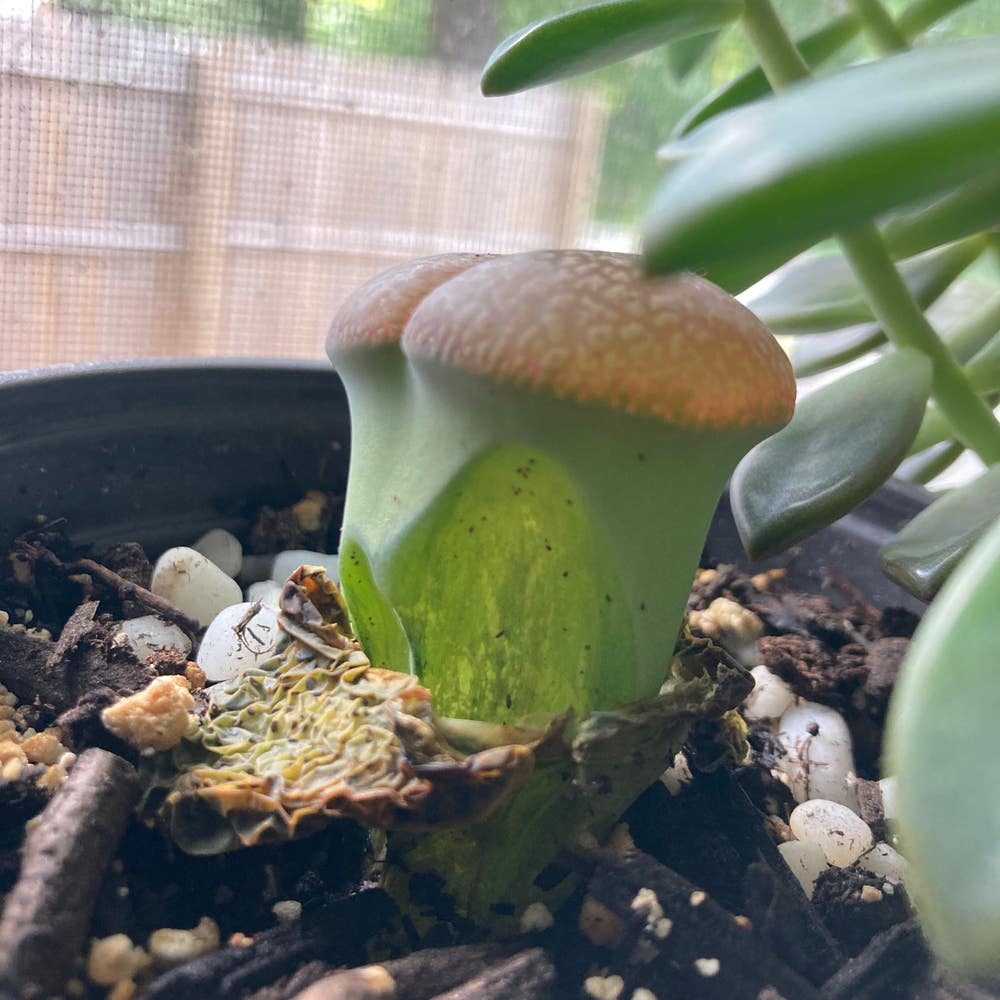
🪨 Introduction to Lithops aucampiae
Lithops aucampiae
By the Greg Editorial Team
Jan 23, 2025•10 min read
This article was created with the help of AI so we can cover more plants for you. May contain errors. See one? Report it here.
Unlock the secrets to thriving Lithops aucampiae 🌱 and transform your space with these captivating, low-maintenance succulents!
- 🌞 Lithops aucampiae need 6-8 hours of sunlight daily for optimal growth.
- 💧 Water only when soil is dry to prevent root rot, especially in winter.
- 🌱 These succulents are non-toxic to pets, making them safe for households.
How to Grow
🌞 Choosing a Location
To thrive, Lithops aucampiae need full sun exposure, ideally basking in 6 to 8 hours of sunlight daily. They prefer warm, dry environments, with temperatures ranging from 20°C to 30°C (68°F to 86°F).
🏺 Soil Preparation
For optimal growth, use a well-draining cactus or succulent mix. Enhance drainage by incorporating sand or perlite into the soil.
🌱 Planting Techniques
When planting, ensure the top of the Lithops is level with the soil surface. It's also crucial to space the plants adequately to promote airflow between them.
💧 Watering Guidelines
Allow the soil to dry completely between waterings to prevent root rot. During dormancy in the winter months, reduce watering frequency to accommodate the plant's natural cycle.
🌿 Fertilizing Needs
During the growing season in spring and summer, use a diluted cactus fertilizer. Focus on low-nitrogen fertilizers to support healthy growth without overwhelming the plant.
✂️ Pruning Practices
Lithops require minimal pruning; simply remove any dead leaves as needed. The best time to prune is during the growing season, allowing the plant to recover quickly.
🔍 Ongoing Care Tips
Regularly inspect your Lithops for pests and diseases to catch any issues early. Adjust your care routine based on seasonal changes to keep your plants healthy and thriving.
🌍 Outdoor vs. Container Growing
Growing Lithops in containers offers easier control over soil conditions and mobility. If you choose outdoor growing, ensure they are protected from excessive rain and frost to prevent damage.
With these guidelines, you'll be well on your way to cultivating healthy and vibrant Lithops aucampiae. Next, let’s explore how to propagate these fascinating plants!
Propagation
🌱 Seed Propagation
To start your Lithops aucampiae from seeds, always purchase from reputable suppliers. For successful germination, provide warm temperatures and bright light to mimic their natural habitat.
🍃 Leaf Cuttings
When propagating via leaf cuttings, select mature, healthy leaves. Use a well-draining soil mix as your rooting medium to ensure optimal growth.
✂️ Division Methods
The best time for division is during the growing season. Carefully separate offsets from the main plant to encourage healthy new growth.
Propagation can be a rewarding experience, allowing you to expand your collection or share with friends. With the right techniques, you'll be well on your way to cultivating these unique succulents!
Lifecycle
Lifecycle Stages 🌱
The lifecycle of Lithops aucampiae is a fascinating journey from seed to maturity. It begins with germination, which typically takes 2-3 weeks under optimal conditions.
Seedling Characteristics 🌿
Once germinated, seedlings emerge with small, fleshy leaves that are a hallmark of this unique plant. As they grow, they develop distinct leaf pairs, showcasing their slow but steady growth habits.
Flowering Period 🌼
Lithops aucampiae usually flowers in late summer to early fall, adding a delightful burst of color to your collection. This flowering period is a rewarding sight for any succulent enthusiast.
Lifespan ⏳
Under optimal conditions, these resilient plants can live for an impressive 20-30 years. Their longevity makes them a cherished addition to any garden or indoor space.
With a clear understanding of their lifecycle, you can better appreciate the growth and care of Lithops aucampiae. Next, let’s explore how to size and manage these captivating plants effectively.
Size
Mature Height and Spread 🌱
Lithops aucampiae are petite plants, typically reaching a mature height of just 2-5 cm (0.8-2 inches). Their spread is slightly wider, averaging between 5-10 cm (2-4 inches), making them perfect for small spaces or as part of a succulent collection.
Growth Rate and Size Variability 📏
These fascinating succulents grow slowly, which adds to their charm. However, their size can vary significantly based on environmental conditions such as light, water, and soil quality.
Maintaining optimal conditions will ensure your Lithops thrive, showcasing their unique beauty. Remember, the right balance of care can lead to a stunning display of these resilient plants.
Roots
Root System Characteristics 🌱
Lithops aucampiae features a fibrous root system, perfectly adapted for arid environments. These shallow, spreading roots allow the plant to efficiently absorb moisture from the sparse rainfall typical of its native habitat.
Common Root-Related Issues 🚫
One of the most common problems for Lithops is root rot, which occurs due to overwatering. Signs of this issue include mushy roots, so it's crucial to ensure well-draining soil and follow proper watering techniques to prevent it.
Identifying Healthy vs. Unhealthy Roots 🔍
Healthy roots are firm and exhibit a white or light tan color. In contrast, unhealthy roots will appear dark, mushy, or may emit a foul smell, indicating that immediate action is needed.
Recognizing Rootbound Plants 🪴
If you notice roots growing out of the drainage holes of your container, your Lithops may be rootbound. The solution is simple: repot the plant into a larger container with fresh soil to give it room to thrive.
This understanding of root systems and their care is essential for maintaining the health of your Lithops. Next, we will explore the benefits of growing this unique succulent, highlighting why it deserves a spot in your collection.
Benefits
Top 5 Benefits 🌟
Lithops aucampiae are not just fascinating plants; they offer a range of benefits that make them a great addition to any collection.
1. Unique Aesthetic Appeal
These charming succulents bring a distinct visual interest to gardens and indoor spaces. Their unusual shapes and colors can captivate anyone who sees them.
2. Low Maintenance
Lithops are perfect for busy individuals. They require minimal care, making them an ideal choice for those who want greenery without the hassle.
3. Drought-Resistant
Thriving in low-water conditions, Lithops promote sustainability. Their ability to survive with little moisture makes them an eco-friendly option for plant lovers.
4. Educational Value
These plants provide insights into succulent adaptations and desert ecosystems. Growing Lithops can spark curiosity about nature and the environment.
5. Cultural Significance
Lithops symbolize resilience and survival in harsh environments. They remind us of the beauty of adaptability and the strength of life in challenging conditions.
Incorporating Lithops into your plant collection not only enhances your space but also enriches your understanding of nature. Their unique characteristics and low maintenance needs make them a rewarding choice for any plant enthusiast.
Companion Plants
Best Companion Plants 🌵
When it comes to choosing companion plants for Lithops, other succulents like Echeveria and Haworthia are excellent options. These plants share similar care needs, making them perfect partners in both indoor and outdoor settings.
Plants to Avoid 🚫
On the flip side, steer clear of plants that require high moisture or heavy feeding. Such companions can create competition for resources, which can stress your Lithops and hinder their growth.
Toxicity to Humans
Lithops aucampiae are not listed as toxic by major poison control centers, making them a safe choice for households. You can handle and even ingest them in small amounts without worry.
However, it's always wise to exercise caution with any plant. If you experience unusual symptoms after contact, seek medical advice just to be safe.
This unique succulent not only adds beauty to your space but also brings peace of mind regarding safety. Enjoy your Lithops, knowing they won't pose a risk to you or your family.
🐾 Pet Safety
As we move forward, let’s explore how these fascinating plants interact with our furry friends.
Toxicity to Dogs
Lithops aucampiae are generally safe for dogs, as they are not listed as toxic by major pet poison control centers. This means you can enjoy these unique plants without worrying too much about your furry friends.
However, it's important to note that if a dog ingests a large quantity of Lithops, it may experience mild gastrointestinal upset. To prevent any potential issues, keep these plants out of reach of curious dogs and monitor their behavior around them.
By taking these simple precautions, you can ensure a harmonious environment for both your Lithops and your canine companions. Now that you know about their safety for dogs, let’s explore how these fascinating plants fit into your garden or home!
Toxicity to Cats
Lithops aucampiae are not considered toxic by major pet poison control centers. This means you can enjoy these unique plants without the worry of harming your feline friends.
However, it's important to note that if a cat ingests large quantities, it may experience mild gastrointestinal upset.
To keep your Lithops safe, position them in areas where cats cannot easily access them. Regularly monitor your pets' behavior around the plants to ensure they aren't getting too curious.
By taking these simple precautions, you can enjoy the beauty of Lithops while keeping your cats safe and sound.
🐱 Common Problems
Next, let's explore common problems that can arise when caring for these fascinating plants.
Problems
Common Problems 🌱
Growing Lithops aucampiae can be rewarding, but it's essential to be aware of common issues that may arise.
Incorrect Watering
One of the most frequent problems is incorrect watering. Overwatering can lead to root rot, while underwatering causes the plant to shrivel and lose its vitality.
Incorrect Light Conditions
Light conditions are crucial for these succulents. Insufficient light can result in etiolation, where the plant stretches towards the light source, leading to weak and elongated growth.
Diseases
Fungal diseases can also pose a threat. Issues like powdery mildew and root rot can develop if the environment is too humid or if the soil retains too much moisture.
Leaf Issues
Keep an eye on the leaves for signs of distress. Scorching or yellowing can occur due to environmental stress, often linked to extreme temperatures or inadequate watering practices.
By understanding these common problems, you can take proactive steps to ensure your Lithops thrive. Next, let’s explore potential pest issues that can affect your plants.
Bugs
Potential Pest Issues 🐜
When it comes to growing Lithops, understanding pest resistance and susceptibility is crucial. These resilient plants can still fall prey to a few common pests, so vigilance is key.
Common Pests 🐞
Spider Mites: These tiny pests thrive in dry conditions, often causing stippling on leaves. Look for fine webbing as a telltale sign of their presence.
Mealybugs: Recognizable by their cotton-like appearance, mealybugs can cluster in leaf joints. They suck sap, weakening your plant over time.
Aphids: These small, green insects can be found on new growth. They can distort leaves and introduce diseases.
Treatment Options 🧴
To keep your Lithops healthy, consider these effective methods for controlling and preventing pest infestations:
Regular Inspections: Check your plants frequently for any signs of pests. Early detection can save your Lithops from severe damage.
Neem Oil: This natural pesticide works wonders against many pests. Spray it on affected areas to suffocate and deter them.
Insecticidal Soap: A gentle yet effective solution, insecticidal soap can help eliminate soft-bodied insects like aphids and mealybugs.
Isolation: If you spot an infestation, isolate the affected plant immediately to prevent the spread to others.
By staying proactive and employing these strategies, you can protect your Lithops from unwanted pests and ensure they thrive in your care. Next, let’s explore what animals might be tempted to munch on these unique plants.
What Eats
Common Animals 🦌
Lithops aucampiae can attract a variety of hungry critters. Common threats include deer, rabbits, squirrels, and rodents.
Signs of Animal Presence 🐾
Keep an eye out for tracks, droppings, or chewed leaves. These signs can indicate which animals are visiting your plants.
Damage Description 🐇
Each animal can cause different types of damage. Deer may nibble on the leaves, while rabbits and squirrels might uproot the plants entirely.
Deterrent Methods 🚫
To protect your Lithops, consider both chemical and organic deterrents. Options include using repellents or planting companion plants that are less appealing to these animals.
By staying vigilant and employing these strategies, you can help ensure your Lithops thrive despite the presence of potential pests. Next, let’s explore the common problems that can affect these unique plants.
⚠️ Safety First
This content is for general information and may contain errors, omissions, or outdated details. It is not medical, veterinary advice, or an endorsement of therapeutic claims.
Always consult a qualified healthcare professional before using any plant as food, medicine, or supplement.
Never eat any plant (or feed one to pets) without confirming its identity with at least two trusted sources.
If you suspect poisoning, call Poison Control (800) 222-1222, the Pet Poison Helpline (800) 213-6680, or your local emergency service immediately.
Spotted an error? Please report it here.
Keep your Lithops aucampiae thriving for decades 🌵 with Greg's tailored watering alerts and care tips that ensure these unique succulents get just the right amount of sunlight and attention!