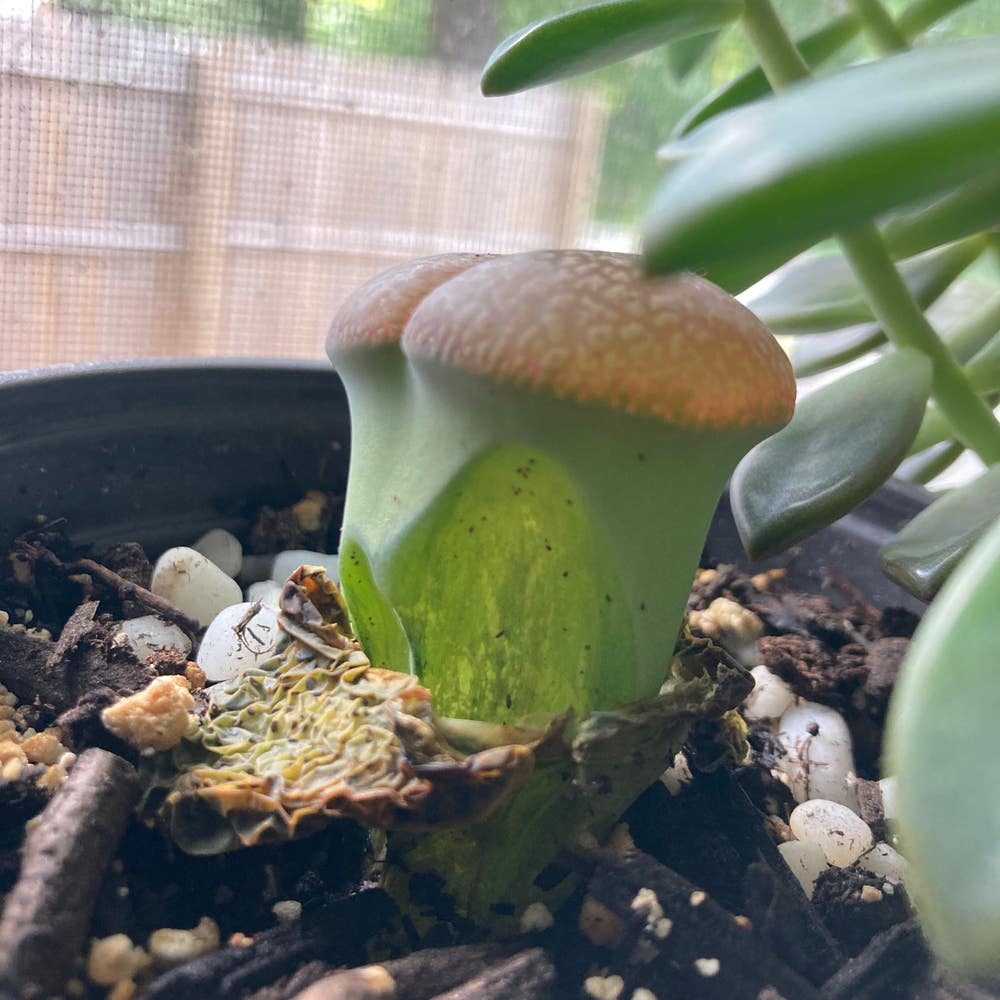
How to Determine When Your Living Stone Needs Water 💧
Lithops aucampiae
By the Greg Editorial Team
Oct 18, 2024•5 min read
This article was created with the help of AI so we can cover more plants for you. May contain errors. See one? Report it here.
Unlock the secret to a thriving Living Stone 🌱 by mastering its unique watering needs for vibrant growth year-round!
- 💧 Water every 2-3 weeks in spring/summer; reduce to monthly in fall/winter.
- 🌞 Adjust watering based on light; more sunlight means more evaporation.
- 🌱 Signs of dehydration include wrinkled leaves and dull appearance; monitor closely!
How Often to Water Living Stone
General Watering Frequency 🌊
Water your Living Stone every 2-3 weeks during the growing season, which spans spring and summer. As the seasons shift to fall and winter, reduce watering to once a month or even less.
Factors Affecting Watering Frequency 🌞
Light conditions play a crucial role; more sunlight leads to increased evaporation, so adjust your watering schedule accordingly. Additionally, higher temperatures may require you to water more frequently, while lower humidity levels necessitate careful monitoring of soil moisture.
Seasonal Watering Adjustments 🍂
In spring and summer, ramp up your watering frequency as your plants are actively growing. Conversely, during fall and winter, decrease watering since the plants enter dormancy and need less moisture.
Understanding these watering guidelines will help you keep your Living Stone healthy and thriving. Next, let’s explore how to recognize when your plant truly needs water.
Recognizing Water Needs
💧 Signs Your Living Stone Needs Water
Your living stone can be quite expressive when it needs water. Look for wrinkled or shriveled leaves, which are clear indicators of dehydration. Additionally, if the leaves appear dull or faded, it’s time to give your plant a drink.
🚫 Signs of Over-Watering
On the flip side, over-watering can be just as detrimental. Yellowing leaves often signal root rot, while mushy or translucent leaves indicate excessive moisture. If you notice a foul odor from the soil, that’s a red flag for decaying roots.
🥤 Signs of Under-Watering
Under-watering presents its own set of challenges. Leaf shriveling can make your plant look thin and lifeless, while stunted growth halts its development. A cracked soil surface is another telltale sign that your living stone is thirsty and in need of moisture.
Recognizing these signs is crucial for maintaining the health of your living stone. With a little attention, you can ensure your plant thrives, leading us seamlessly into effective watering techniques.
Watering Techniques
🌊 Bottom-Watering Method
Bottom-watering is a great technique that allows your living stone to absorb moisture from soil moisture the pot. This method helps ensure that the roots get the water they need without the risk of over-saturation at the surface.
Steps for Bottom-Watering:
- Place the pot in a shallow dish filled with water.
- Allow the plant to soak for 10-15 minutes.soilRemove the pot and let any excess water drain out.
💧 Using Self-Watering Pots
Self-watering pots are designed to maintain consistent moisture levels, making them a convenient option for busy plant owners. These pots have a reservoir that allows the phydrationraw water as needed, reducing the risk of over-watering.
⚖️ Pros and Cons of Different Watering Techniques
Understanding the advantages and disadvantliving stone watering method can help you choose the best one for your living stone.
Bottom-Watering:
- Pros:
- Reduces the risk of over-watering.
- Encourages deep root growth.
- Cons:
- Requires careful monitoring to avoid prolonged saturation.
Self-Watering Pots:
- Pros:
- Convenient and ensures consistent moisture levels.
- Cons:
- May lead to root rot if not monitored properly.
Choosing the right watering technique can significantly impact the health of your living stone. By understanding these methods, you can ensure your plant thrives in its environment. Next, let's explore how to measure soil moisture effectively.
Measuring Soil Moisture
🌱 How to Measure Soil Moisture Levels
To ensure your living stone thrives, start with a visual inspection. Cliving stonel surface for signs of dryness; if it looks parched, it’s time to investigate further.
Next, assess the soil texture. Feel the soil with your fingers; it should be dry but not completely parched. This tactile check helps you gauge moisture levels effectively.
🛠️ Tools for Measuring Moisture
For a more precise approach, consider using a moisture meter. This handy tool provides accurate readings of soil moisture levels, taking the guesswork out of watering.
Alternatively, try the finger test. Insert your finger into the soil up to 2 inches. If it feels dry, it’s time to water your plant.
💧 Ideal Moisture Levels
Understanding optimal moisture is crucial. Your soil should be allowed to dry out completely between waterings to promote healthy root growth.
Aim for a recommended moisture level where the soil feels dry to the touch but not dusty. This balance ensures your living stone receives just the right amount of hydration.
With these techniques in hand, you can confidently monitor your plant's moisture needs. Next, let’s explore effective watering techniques to keep your living stone thriving.
Care Reminders
Using the Greg Plant Care App 🌱
The Greg Plant Care App is a game-changer for plant enthusiasts. It allows you to set personalized reminders based on your living stone's specific needs and seasonal changes.
Benefits of the App 📅
With this app, you can maintain a consistent watering schedule. It helps you avoid the common pitfalls of over or under-watering, ensuring your plant thrives.
Tailoring Your Reminders ⚙️
You can easily adjust the frequency of reminders based on seasonal changes and environmental conditions. This flexibility makes it easier to cater to your living stone's unique requirements.
By utilizing the Greg Plant Care App, you’ll not only simplify your plant care routine but also enhance your connection with your living stone. Now, let’s explore how to measure soil moisture effectively.
⚠️ Safety First
This content is for general information and may contain errors, omissions, or outdated details. It is not medical, veterinary advice, or an endorsement of therapeutic claims.
Always consult a qualified healthcare professional before using any plant as food, medicine, or supplement.
Never eat any plant (or feed one to pets) without confirming its identity with at least two trusted sources.
If you suspect poisoning, call Poison Control (800) 222-1222, the Pet Poison Helpline (800) 213-6680, or your local emergency service immediately.
Spotted an error? Please report it here.
Keep your Living Stone thriving 🌱 by adjusting your watering routine with Greg's personalized reminders that ensure your plant gets just the right amount of moisture!