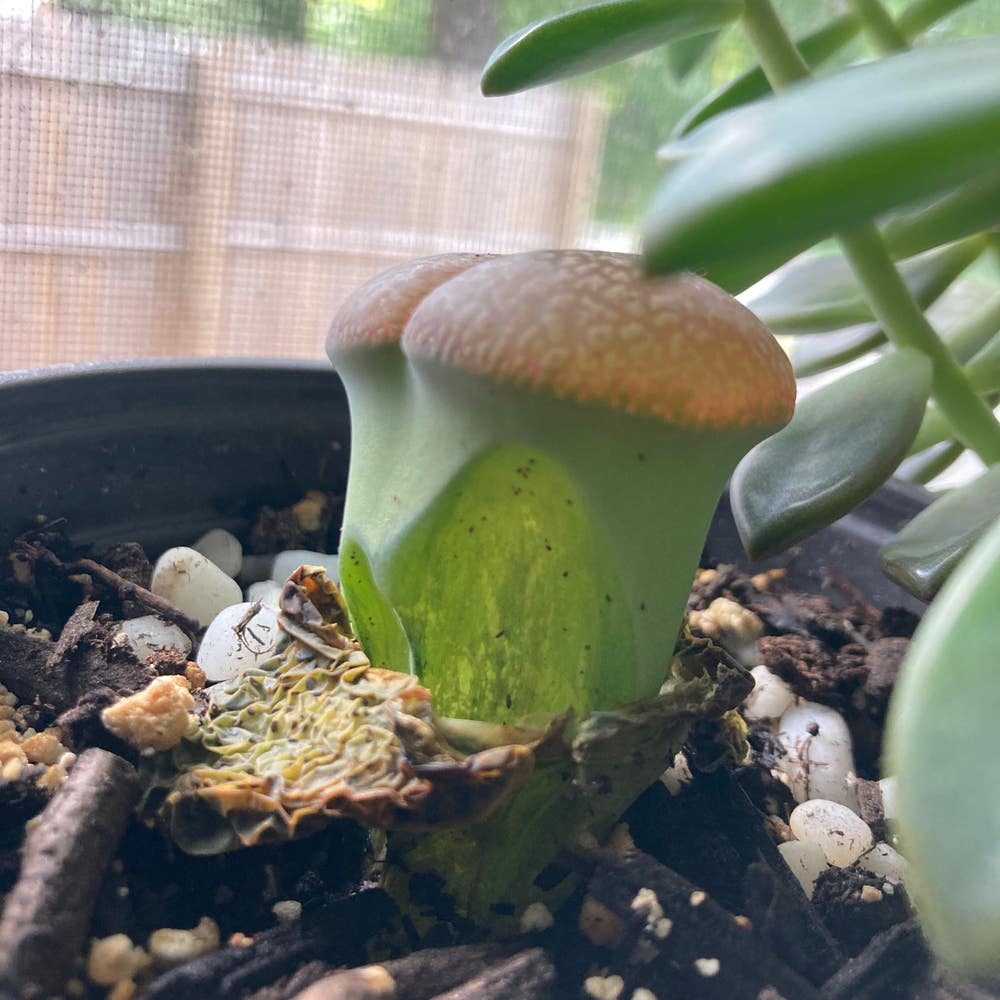
🪨 Living Stone - Fertilizing 101
Lithops aucampiae
By the Greg Editorial Team
Oct 18, 2024•5 min read
This article was created with the help of AI so we can cover more plants for you. May contain errors. See one? Report it here.
Transform your garden 🌱 with essential fertilization tips for lush, vibrant plants that thrive all year round!
- 🌱 Fertilization is vital for plant health, providing essential nutrients like nitrogen and phosphorus.
- 🌼 Tailor fertilization to specific plant needs for optimal blooming and vigor.
- 🚫 Avoid over-fertilization to prevent leaf damage and ensure healthy growth.
Importance of Fertilization
🌱 Nutrient Needs
Fertilization is crucial for plant health, providing essential nutrients like nitrogen, phosphorus, potassium, and trace minerals. Each nutrient plays a unique role; for instance, phosphorus is vital for blooming, while a balanced mix supports overall growth.
When considering specific varieties, remember that some may require higher phosphorus levels to maximize their blooming potential. Others thrive on a balanced nutrient profile, ensuring robust growth and vitality.
🌼 Benefits of Proper Fertilization
Proper fertilization enhances blooming potential and boosts overall plant vigor. Healthy plants not only look great but also develop resilient leaves that can withstand environmental stressors.
Investing in the right nutrients leads to lush foliage and vibrant flowers, creating a thriving garden. With the right approach, your plants can flourish, showcasing their beauty and strength.
As we explore the types of fertilizers available, you'll discover how to tailor your approach for the best results.
Types of Fertilizers
🌱 Organic Options
Organic fertilizers are a fantastic choice for nurturing your plants naturally. Popular types include compost tea, fish emulsion, and worm castings.
These options offer slow-release nutrients, which means your plants get a steady supply over time. Plus, they improve soil health, fostering a thriving ecosystem in your garden.
⚡ Inorganic Options
Inorganic fertilizers can provide a quick nutrient boost when your plants need it most. Recommended NPK ratios like 2-7-7 or 5-10-10 are effective for various growth stages.
Water-soluble fertilizers are particularly user-friendly. They allow for easy application and ensure rapid nutrient availability, making them a go-to for many gardeners.
Understanding the types of fertilizers available helps you make informed choices for your plants. Next, let’s explore the best methods for applying these fertilizers effectively.
Application Methods
How to Apply 🌊
To get the most out of your fertilizer, start with dilution. Mix the fertilizer with water according to the package instructions for optimal results.
Next, apply the diluted solution directly to the soil. Be careful to avoid contact with the leaves, as this can cause damage.
Frequency 📅
As a general rule, fertilize every 4-6 weeks during the growing season. However, you should adjust this frequency based on your plant's health and growth stage.
Common Mistakes ❌
One of the most common pitfalls is over-fertilizing. Look out for signs like leaf discoloration or stunted growth to avoid this mistake.
Another critical aspect is timing. Fertilizing during dormancy can shock your plants, so it's essential to know when to hold off.
With these application methods in mind, you're well on your way to nurturing your plants effectively. Next, let’s explore the signs of over-fertilization to ensure your plants thrive.
Signs of Over-Fertilization
🌿 Symptoms
Over-fertilization can manifest in a couple of noticeable ways. First, you might see leaf discoloration, where leaves turn yellow or brown, signaling nutrient overload.
Another common symptom is leaf drop, where plants shed leaves prematurely. This can be alarming, but it’s a clear indicator that something’s off.
🚿 How to Flush Out Excess Fertilizer
If you suspect over-fertilization, flushing out excess nutrients is essential. Start by watering the plant thoroughly with clean water until it drains from the bottom.
Repeat this process every few weeks until the symptoms subside. This method helps restore balance and gives your plant a fighting chance to recover.
Recognizing these signs early can save your plants from serious damage. Now that you know how to identify and address over-fertilization, let’s explore the best timing and frequency for fertilizing your plants.
Timing and Frequency
Best Time to Fertilize 🌱
Spring is the ideal time to start fertilizing your plants as they awaken from dormancy. This is when growth resumes, making it crucial to provide the nutrients they need.
Avoid fertilizing during the summer dormant period. Plants typically slow down, and adding nutrients can do more harm than good.
Fertilization Schedule 📅
Begin with a diluted fertilizer in early spring. This gentle approach helps kickstart growth without overwhelming your plants.
As summer approaches, consider reducing or halting fertilization. Your plants may not need as much during this time.
In the fall, it's time to resume light fertilization as growth slows. This helps prepare your plants for the winter months ahead.
Seasonal Adjustments 🍂
Tailor your nutrient ratios based on seasonal growth patterns. Different times of the year call for different nutrient needs.
Keep an eye on environmental changes that may affect nutrient uptake. Factors like temperature and humidity can significantly impact how well your plants absorb nutrients.
Understanding the timing and frequency of fertilization is essential for healthy plant growth. With the right approach, you can ensure your plants thrive throughout the seasons.
Next, let’s explore some special considerations to keep in mind when fertilizing your plants.
Special Considerations
🌱 Newly Potted Lithops
When you repot Lithops, patience is key. Wait at least 4-6 weeks for the roots to establish before introducing any fertilizer.
Using a diluted fertilizer during this period is crucial. It helps avoid shocking the plant, ensuring a smoother transition to its new home.
🏺 Soil Type Impact
The type of soil you use significantly affects nutrient availability. Well-draining soil is essential to prevent nutrient buildup, which can harm your plants.
For Lithops, consider using cactus and succulent blends. These mixes provide the right balance of drainage and nutrients for optimal growth.
🌞 Environmental Factors
Light exposure plays a vital role in nutrient uptake. More light can enhance the plant's ability to absorb nutrients effectively.
Additionally, temperature and humidity should influence your fertilization strategy. Adjust your approach based on these environmental conditions to keep your Lithops thriving.
Understanding these special considerations will help you nurture your Lithops effectively. Next, let’s explore the best timing and frequency for fertilization to maximize your plant's health.
⚠️ Safety First
This content is for general information and may contain errors, omissions, or outdated details. It is not medical, veterinary advice, or an endorsement of therapeutic claims.
Always consult a qualified healthcare professional before using any plant as food, medicine, or supplement.
Never eat any plant (or feed one to pets) without confirming its identity with at least two trusted sources.
If you suspect poisoning, call Poison Control (800) 222-1222, the Pet Poison Helpline (800) 213-6680, or your local emergency service immediately.
Spotted an error? Please report it here.
Boost your plants' health and blooming potential 🌼 with Greg's tailored fertilization reminders and nutrient tips, ensuring they thrive beautifully all season long!