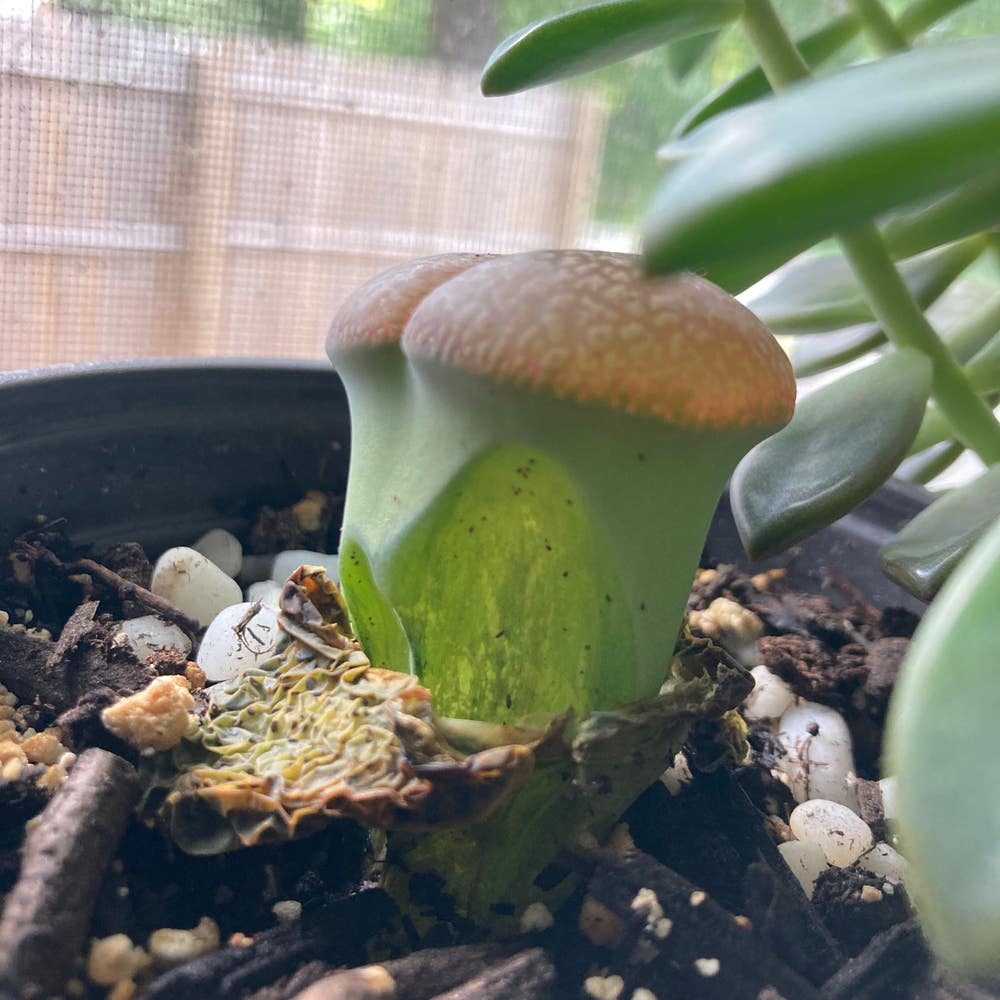
Ultimate Guide to Pruning Living Stone
Lithops aucampiae
By the Greg Editorial Team
Oct 18, 2024•5 min read
This article was created with the help of AI so we can cover more plants for you. May contain errors. See one? Report it here.
Revitalize your Living Stone 🌱 with expert pruning tips that ensure vibrant growth and stunning beauty!
- 🌱 Assess plant health before pruning to identify areas needing attention.
- ✂️ Use clean, sharp tools for precise cuts and to minimize plant stress.
- 🌼 Prune at the right time—late spring to early summer for optimal growth.
Step-by-Step Guide to Pruning Living Stone
🧐 Assess the Plant's Condition
Start by examining your Living Stone's overall health. Look for signs of growth patterns, such as how dense the foliage is and whether any areas appear weak or unhealthy.
🔍 Identify Areas Needing Pruning
Next, pinpoint specific areas that require attention. Focus on dead leaves and any overcrowded growth that may be stifling the plant's vitality.
✂️ Use Clean, Sharp Pruning Tools
Before you start cutting, ensure your tools are clean and sharp. This will help you make precise cuts and minimize stress on the plant.
🍂 Remove Dead or Damaged Leaves
Begin pruning by removing any dead or damaged leaves at the base. This not only improves the plant's appearance but also promotes healthier growth.
🌱 Trim Leggy Growth
If you notice any leggy growth, trim it back to encourage a bushier appearance. This will help your Living Stone look fuller and more vibrant.
🧹 Clean Up Debris
Finally, clean up any debris around the plant. This step is crucial for preventing pests and maintaining a healthy growing environment.
By following these steps, you'll ensure your Living Stone thrives and remains a stunning addition to your garden. Next, let's explore the best times to prune your plant for optimal results.
When to Prune Living Stone
🌱 Best Seasons for Pruning
The best time to prune your Living Stone is during late spring to early summer. This period follows the plant's dormancy, allowing it to recover and thrive after the cuts.
Avoid pruning in the winter months when the plant is dormant. Pruning during this time can stress the plant and hinder its growth.
✂️ Signs Indicating It's Time to Prune
Look for yellowing or shriveling leaves as a clear sign that your Living Stone needs attention. These symptoms indicate that the plant is struggling and could benefit from a trim.
Overcrowded growth is another red flag. If air circulation is compromised, it’s time to prune to promote healthier growth.
Additionally, keep an eye out for dead leaves or remnants of flowers. Removing these will not only tidy up the plant but also prevent potential pest issues.
Finally, if you notice new growth emerging, it may require shaping. Pruning at this stage can help maintain a balanced and attractive appearance.
With these signs in mind, you’ll be well-equipped to keep your Living Stone healthy and vibrant. Next, let’s explore where to prune for optimal results.
Where to Prune Living Stone
Identifying the Right Areas to Prune 🌿
When pruning your Living Stone, start by focusing on dead or damaged leaves at the base. These leaves not only detract from the plant's appearance but can also hinder its overall health.
Next, look for any overlapping leaves that may be crowding the plant. Removing these will promote better air circulation and allow the plant to thrive.
Finally, target flower stalks after blooming. This encourages new growth and keeps your Living Stone looking fresh and vibrant.
Techniques for Cutting and Shaping ✂️
For effective pruning, always make a clean cut at the base of the leaf. This prevents tearing and minimizes stress on the plant.
Be cautious not to cut into healthy tissue. Doing so can lead to unnecessary stress and hinder growth.
To maintain symmetry, selectively remove leaves as needed. This shaping technique helps your Living Stone flourish while keeping its aesthetic appeal intact.
With these pruning tips, your Living Stone will not only survive but thrive, setting the stage for the next steps in your plant care journey.
Deadheading Living Stone
🌼 Importance of Deadheading
Deadheading is crucial for maintaining the health of your Living Stone. By removing spent flowers, you prevent energy loss and encourage the plant to focus on new blooms.
This practice not only promotes healthier growth but also keeps your plant looking its best. A tidy plant is a happy plant!
✂️ Step-by-Step Instructions for Deadheading
Identify spent flowers: Look for those wilted or dried blooms that no longer contribute to the plant's beauty.
Use sterilized scissors: Cut the flower stalk at the base to ensure a clean removal.
Dispose of removed flowers: This step is vital to prevent attracting pests that could harm your plant.
Monitor for new growth: After deadheading, keep an eye on your Living Stone for signs of fresh blooms emerging.
By following these simple steps, you’ll not only enhance the vitality of your Living Stone but also enjoy a more vibrant display in your garden. Now that you know how to deadhead effectively, let’s explore common pruning mistakes to avoid.
Common Pruning Mistakes
🚫 Mistakes to Avoid When Pruning
Pruning can be a delicate task, and there are common pitfalls to watch out for.
Over-pruning is a frequent mistake; removing too many leaves at once can shock your Living Stone.
Pruning during dormancy is another error that can stress the plant, as it’s not actively growing and may struggle to recover.
Lastly, using unclean tools can introduce diseases, jeopardizing the health of your plant.
🛠️ How to Correct Pruning Errors
If you find yourself in the over-pruning trap, the best course of action is to let the plant recover without further interference.
Keep an eye out for signs of stress, such as wilting or discoloration, and adjust your care routine accordingly.
To prevent future issues, always use a sterilizing solution on your tools before pruning.
This simple step can save your plant from potential diseases and keep it thriving.
By avoiding these mistakes and correcting any errors promptly, you can ensure your Living Stone remains healthy and vibrant.
Next, let’s explore the importance of deadheading to maintain your plant's beauty and vitality.
⚠️ Safety First
This content is for general information and may contain errors, omissions, or outdated details. It is not medical, veterinary advice, or an endorsement of therapeutic claims.
Always consult a qualified healthcare professional before using any plant as food, medicine, or supplement.
Never eat any plant (or feed one to pets) without confirming its identity with at least two trusted sources.
If you suspect poisoning, call Poison Control (800) 222-1222, the Pet Poison Helpline (800) 213-6680, or your local emergency service immediately.
Spotted an error? Please report it here.
Transform your Living Stone into a vibrant masterpiece 🌱 by using Greg's tailored pruning reminders and expert tips to keep it healthy and thriving!