💄 Why Is My Lipstick Vine Not Doing Well?
Aeschynanthus radicans
By the Greg Editorial Team
Jun 15, 2024•12 min read
This article was created with the help of AI so we can cover more plants for you. May contain errors. See one? Report it here.
Rescue your wilting Lipstick Vine 🌿 by mastering the art of perfect plant care with our life-saving tips!
- Immediate attention needed for wilting, yellowing leaves on Lipstick Vine.
- Consistent care is key: Watering, light, and temperature control are crucial.
- Combat pests and diseases with non-chemical strategies and proper plant hygiene.
Recognizing Symptoms of Distress in Lipstick Vine
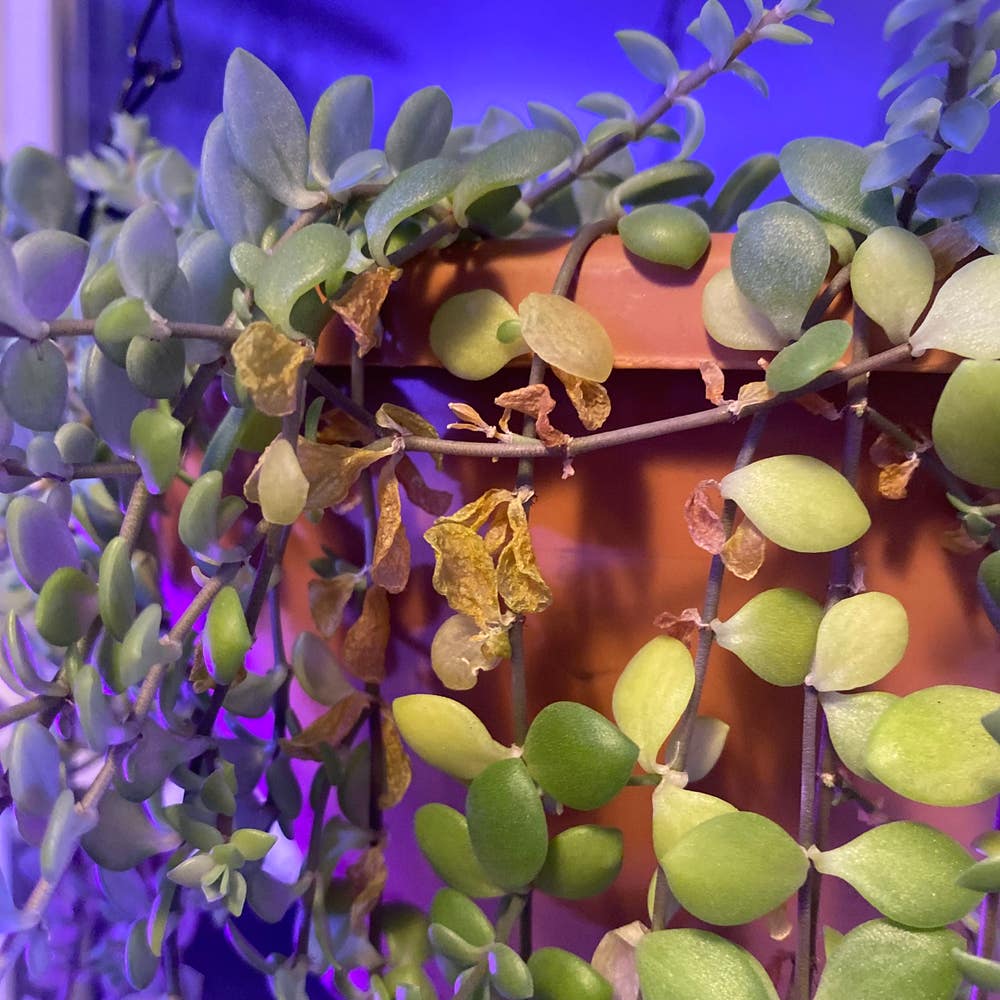
Wilting, yellowing leaves, and premature leaf drop are alarm bells for a struggling Lipstick Vine. These symptoms demand immediate attention to prevent further decline.
🚨 Key Signs of Distress
- Wilting: This is a telltale sign, particularly in high temperatures.
- Yellowing Leaves: Indicates possible temperature stress or other environmental issues.
- Leaf Drop: Early leaf fall suggests an unhappy plant environment.
Urgency in Addressing Symptoms
Act fast. A Lipstick Vine in distress won't magically bounce back without help. Assess and adjust the plant's care routine to avert a total plant meltdown.

Addressing Inconsistent Watering
💧 Recognizing the Impact of Inconsistent Watering
Inconsistent watering can turn your Lipstick Vine into a drama queen. Too much water, and you're dealing with root rot; too little, and the leaves will wilt like a neglected houseguest. It's a delicate balance that can make or break the health of your plant.
📅 Establishing a Watering Routine
Consistency is your new mantra. Set a schedule that aligns with the Lipstick Vine's needs—water when the top inch of soil feels dry. Use room temperature water to avoid shocking the plant's roots. In winter, dial back the frequency but never let the soil go completely arid.
🍂 Seasonal Adjustments
Your plant's thirst changes with the seasons. Summer may call for more frequent watering, while in winter, it's time to ease up. Pay attention to your indoor climate as well; heaters and air conditioners can affect soil moisture.
🛠 Tools and Techniques
Invest in a watering can with a long spout to target the soil directly. This avoids wetting the foliage, which can lead to fungal issues. If you're unsure about the soil's moisture, use the finger test or lift the pot to gauge its weight.
🕵️ Monitoring and Tweaking
Stay vigilant. If your Lipstick Vine's leaves droop or yellow, reassess your watering game. It's not about sticking rigidly to a schedule—it's about observing and responding to your plant's cues.

Solving Irregular Light Exposure
💡 Recognizing the Impact of Light on Lipstick Vine Vitality
Lipstick Vines are like solar panels; they need the right amount of light to convert into growth and vibrant blooms. Too little light, and your plant stretches out, pale and desperate. Too much, and it's like a sunbather without sunscreen—crispy and stressed.
💡 Tips for Optimal Light Conditions
Bright, indirect sunlight is the sweet spot. Think of it as your plant's favorite café spot—cozy with the perfect ambiance. If your Lipstick Vine is looking a bit sun-starved, scoot it closer to a window, but not one that's a UV death ray at noon.
- Rotate your plant regularly to avoid a lopsided growth spurt.
- Consider pruning to encourage bushier, healthier development.
- If natural light is as scarce as hen's teeth, artificial lighting can be a game-changer. LED grow lights are like a plant's personal sun.
- Remember, light and watering are BFFs. More light means more water, less light means less. It's a delicate dance, and you're the choreographer.
Avoid the temptation to play musical chairs too often; find a spot that's just right and let your plant settle in. And don't forget, even plants need their beauty sleep—keep them in the dark at night to mimic their natural rest cycle.

Stabilizing Temperature for Lipstick Vine Health
🌡️ Recognizing the Consequences of Temperature Fluctuations
Lipstick Vines are like Goldilocks' porridge—they prefer it just right. Too hot or too cold, and you'll see your plant's health decline. Watch for wilting, leaf discoloration, or leaf drop, all signs that your plant is not in its happy temperature zone.
🛠️ Methods to Maintain Consistency
Indoor Strategies
Keep your thermostat steady. Aim for a comfortable range between 65-75°F (18-24°C), where Lipstick Vines thrive. Avoid placing your plant near drafty windows or under the direct blast of heating or cooling vents. These spots are notorious for causing rapid temperature changes that can stress your plant.
Outdoor Tactics
If you're growing your Lipstick Vine outdoors, be mindful of the weather forecast. Use frost cloth to protect against cold snaps and shade to shield from intense midday heat. Remember, sudden changes are the enemy of your plant's wellbeing.
Acclimatization
When moving your Lipstick Vine to a new location, do it gradually. Acclimatization helps prevent shock, allowing your plant to adjust to the new temperature over time.
Temperature Control Devices
Consider investing in climate control gadgets. Oil heaters can be a winter blessing, just keep them at a safe distance. In summer, air conditioning can be a savior, but use it judiciously to avoid creating a mini-desert for your vine.
Swift Solutions
If you're caught off-guard by a temperature swing, act fast. Insulate your plant or move it to a more suitable spot. Quick thinking can prevent long-term damage.
By maintaining a consistent temperature, you're not just avoiding problems; you're setting the stage for your Lipstick Vine to flourish. Keep it steady, and your plant will show its gratitude through robust health and vibrant growth.
Over-watering and Lipstick Vine
Recognizing the symptoms of over-watering is crucial for the health of your Lipstick Vine.
🚱 Telltale Signs
- Yellow leaves often scream 'too much water!'
- Soft, limp leaves are giving you a heads up.
- A mushy stem is basically a cry for help.
- Roots that are dark and slimy spell out 'root rot'.
🚰 Steps to Salvation
- Stop Watering: Give your plant a break from the waterworks.
- Drain Excess Water: If there's a saucer, empty it. Don't let roots take a bath.
- Remove Damaged Parts: Get rid of squishy leaves and roots. They're goners.
- Repot if Necessary: Fresh soil and a pot with proper drainage can be a fresh start.
- Monitor Recovery: Keep an eye on your plant. It's not out of the woods yet.
- Fungicide: In case of fungus among us, a fungicide can be a lifesaver.
🌱 Pro Tips
- Choose the Right Pot: Some pots are traps with bad drainage.
- Check Before You Water: The topsoil is your crystal ball. Dry? Go ahead. Moist? Hold off.
- Water Quality Matters: Use filtered or rainwater when possible.
- Avoid the Heat of the Day: Morning is the best time for watering.
Remember, over-watering is like attending a party you weren't invited to – it's just too much. Keep it balanced, and your Lipstick Vine will thank you.
Reviving an Under-watered Lipstick Vine
Recognizing the tell-tale signs of an under-watered Lipstick Vine is crucial for revival. Look for leaves that appear soft and shriveled, a clear indication of thirst. If the plant's foliage has a wrinkly and spongy texture, rather than being taut and glossy, it's time to take action.
🚰 Signs of Under-Watering
- Wrinkled leaves: They suggest a cry for hydration.
- Leaf discoloration: Yellow or brown leaves often signal water deficiency.
- Leaf drop: Premature falling leaves are a distress call for moisture.
- Dry soil: If the top inch of soil feels like the Sahara, it's a no-brainer—water is needed.
Adjusting Watering Practices
To nurse your Lipstick Vine back to health, moderate watering is key. Here's how to get it right:
- Check the soil: Before watering, ensure the top inch of soil is dry to the touch.
- Water thoroughly: Soak the soil until water runs through the drainage holes, then let it drain completely.
- Room temperature water: Use lukewarm water to avoid shocking the plant's roots.
- Monitor closely: Keep an eye on the soil's moisture level, but don't be a helicopter plant parent.
Remember, it's a fine line between parched and waterlogged. Your Lipstick Vine doesn't have nine lives, so consistency is your new best friend.
Combating Pests on Lipstick Vine
🐞 Identifying Common Pests and Their Symptoms
Lipstick Vines are resilient but not immune to pests. Aphids, mealybugs, and spider mites are the usual suspects. Telltale signs include sticky honeydew, distorted leaves, or fine webs. Vigilance is key; early detection can save your plant from a full-blown infestation.
🛡️ Effective Pest Control Measures
🚿 Non-Chemical Strategies
Start with a blast of water to dislodge pests. For a more targeted approach, insecticidal soaps or horticultural oils can be effective. These solutions smother the pests without harsh chemicals. Remember, it's about balance—don't turn your vine into a toxic battleground.
🌿 Biological Controls
Introduce natural predators like ladybugs or lacewings. They're not just good company; they're pest-eating machines. It's nature's way of keeping things in check.
🖐️ Physical Removal
Sometimes, you've got to get your hands dirty. If you spot pests, physically remove them or prune infested areas. Dispose of these parts carefully to prevent reinfestation.
☠️ Chemical Controls
If all else fails, and you're looking at a pest apocalypse, consider insecticides. But use them as a last resort and follow the label instructions to the letter. Organic options are available and can be less harmful to your plant and the environment.
🌱 Integrated Pest Management (IPM)
Embrace IPM. It's a strategic approach that combines all the above methods. It's about being proactive, not reactive. Keep an eye out, and act before things get out of hand.
⚔️ Preventive Measures
Prevention is better than cure. Avoid overwatering, maintain good air circulation, and keep your plant strong. A healthy Lipstick Vine is less likely to succumb to pests. It's like giving your plant a suit of armor.
Remember, the goal is to manage pests without turning your Lipstick Vine into a chemical wasteland. Keep your plant happy, and you'll both be better off for it.
Preventing and Treating Leaf Scorching
Leaf scorch in Lipstick Vines is like a cry for help, signaling environmental stress. It's not a disease but a symptom; the plant's version of a sunburn. When leaves showcase brown or tan areas, especially between veins or at the margins, it's time to take action.
🌞 Causes of Leaf Scorching
Dry conditions and intense light are the usual suspects behind leaf scorch. Lipstick Vines love bright light, but direct sunlight is a no-go. It's a delicate balance—too much sun and the leaves throw a fit, turning crispy with displeasure.
🛡️ Protective Measures Against Harsh Lighting
Shade is your friend here. If your Lipstick Vine is throwing shade by scorching its leaves, move it to a spot with bright, indirect light. Think of it as putting on sunglasses; you're shielding the plant from the harshest rays. And if you've been a bit neglectful, don't worry—pruning the damaged parts can help the plant focus on flaunting its healthy leaves. Remember, it's about finding that sweet spot—not too dark, not too bright.
Managing Mold and Fungus Issues
Mold and fungus can turn your Lipstick Vine from a beauty into a beast. Spotting the problem is step one: look for unsightly spots or fuzzy areas on leaves and stems. If your plant's sporting a moldy coat, it's time to spring into action.
🕵️ Early Detection
Brown or black spots on leaves, or a white or gray fuzz, are telltale signs. These invaders thrive in moist conditions, so overwatering or poor ventilation could be the culprits.
🛠️ Remediation Steps
- Prune affected areas with sterilized shears—think surgery, not a haircut. Dispose of the diseased bits like they're biohazardous waste (because, well, they are for plants).
- Fungicides are your friend—but not all are created equal. Go for copper-based or neem oil options for a less toxic approach. Always read the label; it's not just fine print, it's the law of the land for plant care.
🚫 Prevention Techniques
- Water wisely: Direct your love to the soil, not the foliage. Keep the leaves dry to deny mold a home.
- Airflow is key: Good circulation is like a breath of fresh air for your plant's health.
- Light it right: More light can mean less mold. Just don't turn your vine into a sunbather—balance is everything.
- Soil matters: Choose a sterile potting mix over garden-variety dirt to keep things clean.
Remember, a healthy Lipstick Vine is a happy one. Keep mold and fungus at bay, and your plant will thank you with vibrant growth and maybe even a cheeky bloom or two.
Root Rot: Diagnosis and Treatment
Root rot is like the silent assassin of the plant world, striking when you least expect it. Detecting it early is key to saving your Lipstick Vine.
🕵️ Recognizing the Culprit
Root rot's telltale signs are wilting, yellowing leaves that drop faster than your weekend plans. But the real confirmation is in the roots—mushy and brown, they scream trouble. Inspect them by gently removing your plant from its pot.
🏥 Surgical Precision
Once you've unearthed the soggy mess, it's time for some plant surgery. Trim away the rotted roots with shears cleaner than a germaphobe's kitchen. Remember, only healthy, white roots should make the cut.
🌱 Fresh Start
Now, grab some fresh soil—your plant's new home. Make sure the new pot has drainage holes; they're like lifeboats on a sinking ship. Repot your Lipstick Vine, giving it a chance to breathe and recover.
🚑 Aftercare
Post-op care involves a watering schedule tighter than your budget after a shopping spree. Monitor the soil's moisture like a hawk and adjust accordingly. No more waterlogged roots, please.
🛡️ Prevention: Better than Cure
Preventative measures? Think of them as the plant equivalent of eating your veggies—necessary and life-prolonging. Ensure good drainage, and don't let your plant sit in water. It's not a fan of swims.
Keep an eye out for fungi—they're not all fun guys. If you spot any, treat the soil with a fungicide that's tougher on fungi than a bouncer at a nightclub.
Remember, root rot doesn't have to be a death sentence. Quick action and a bit of TLC can turn things around. Your Lipstick Vine will thank you—with growth.
⚠️ Safety First
This content is for general information and may contain errors, omissions, or outdated details. It is not medical, veterinary advice, or an endorsement of therapeutic claims.
Always consult a qualified healthcare professional before using any plant as food, medicine, or supplement.
Never eat any plant (or feed one to pets) without confirming its identity with at least two trusted sources.
If you suspect poisoning, call Poison Control (800) 222-1222, the Pet Poison Helpline (800) 213-6680, or your local emergency service immediately.
Spotted an error? Please report it here.
Ensure your Lipstick Vine thrives by letting Greg tailor 🌱 your plant's watering and lighting needs, preventing those distressing yellow leaves and premature drops!