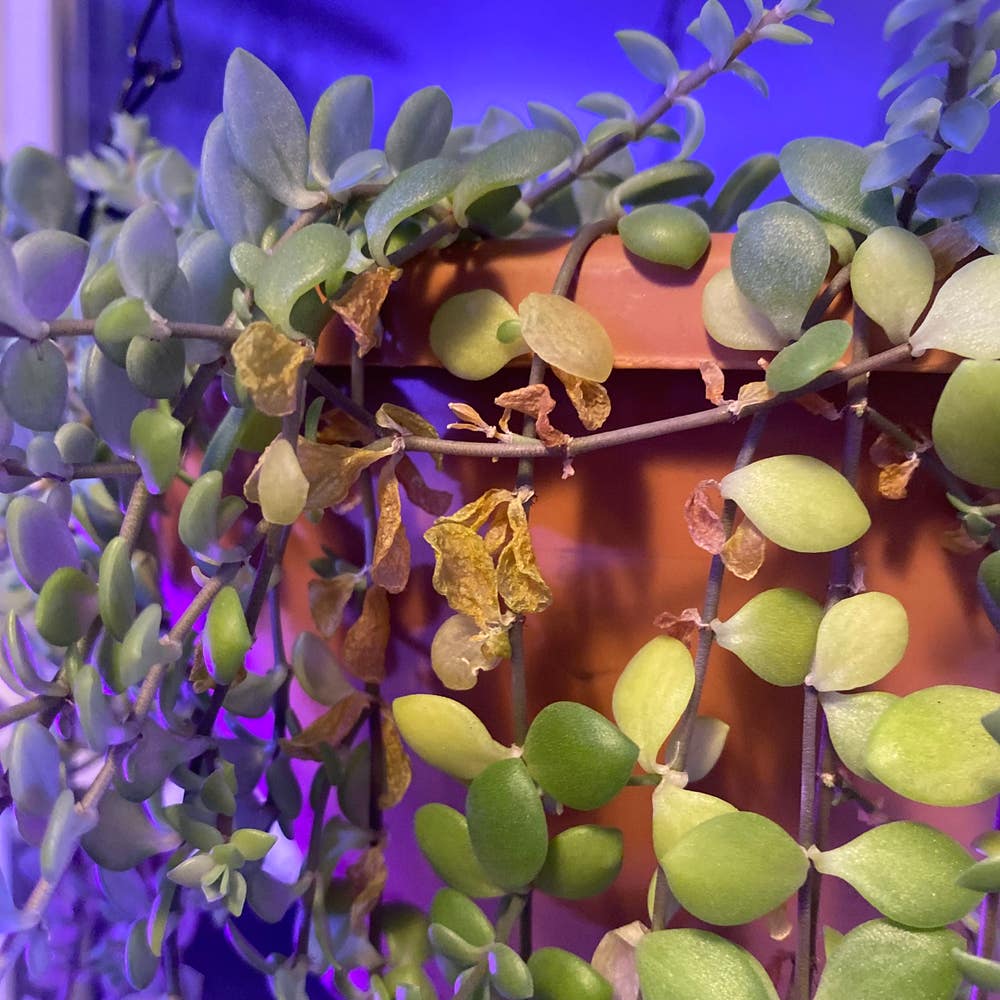
🌸 Lipstick Vine Buds Falling off
Aeschynanthus radicans
By the Greg Editorial Team
Sep 30, 2024•3 min read
This article was created with the help of AI so we can cover more plants for you. May contain errors. See one? Report it here.
Transform your lipstick vine's blooms 🌱 with essential tips on light, nutrients, and care for vibrant flowers!
- 🌡️ Stable temperatures (65°F-80°F) prevent flower bud drop in lipstick vines.
- 💡 Insufficient light or too much sun can cause buds to fall off.
- 🌿 Balanced care with humidity, nutrients, and pest control ensures vibrant blooms.
Flowering Problems in Lipstick Vine
🌬️ Common Causes of Flower Drop
Environmental Stress
Lipstick vines are sensitive to temperature fluctuations, thriving best in a range of 65°F to 80°F (18°C to 27°C). Drafts and sudden changes in their environment can lead to stress, causing flower buds to drop prematurely.
Light Requirements
Insufficient light can stunt growth and reduce blooming, leaving your lipstick vine looking lackluster. Conversely, too much direct sunlight can scorch leaves and lead to flower drop, so finding the right balance is crucial.
Humidity Levels
Maintaining optimal humidity levels between 50% to 70% is essential for healthy blooms. Signs of low humidity include leaf curling and premature flower drop, indicating your plant needs a more humid environment.
🌱 Nutritional Deficiencies and Their Impact
Key Nutrients for Flowering
Phosphorus is vital for flower development, while potassium strengthens stems and blooms. Without these key nutrients, your lipstick vine may struggle to produce vibrant flowers.
Identifying Nutrient Deficiencies
A phosphorus deficiency often manifests as dark green leaves with poor flowering. In contrast, potassium deficiency shows up as weak stems and browning leaf edges, signaling a need for immediate attention.
Fertilization Strategies
Using balanced NPK fertilizers with higher phosphorus content can significantly boost flowering. Fertilize monthly during the growing season to ensure your lipstick vine gets the nutrients it needs.
✂️ Pruning Techniques to Encourage Blooming
Importance of Pruning
Pruning is essential for stimulating new growth and encouraging flowering. The best time to prune is post-bloom or early spring, allowing your plant to focus its energy on new blooms.
Proper Pruning Techniques
Cutting back about one-third of the plant promotes bushiness and fuller blooms. However, be cautious not to over-prune, as this can lead to reduced blooms and increased stress on the plant.
🐛 Pest Infestations and Their Effects on Flowers
Common Pests Affecting Lipstick Vine
Aphids are notorious for infesting lipstick vines, leading to significant impacts on flower health. Spider mites can also cause damage, leaving leaves and flowers looking unhealthy.
Control Methods
Organic pest control options like neem oil and insecticidal soap can effectively manage infestations. Early detection and intervention are key to keeping your lipstick vine healthy and blooming beautifully.
🌼 Addressing Abnormal Flower Development
Identifying Abnormal Flower Growth Patterns
Variations in flower size and shape can indicate underlying issues, whether nutritional or environmental. Color changes in blooms often point to the need for adjustments in care.
Remedies for Abnormal Flower Development
Modifying light and humidity levels can significantly improve flower development. Implementing proper fertilization techniques will also help restore your lipstick vine to its blooming glory.
With these insights, you can nurture your lipstick vine back to health, ensuring it flourishes with vibrant blooms. Next, let’s explore how to effectively manage pests that may threaten your plant’s beauty.
⚠️ Safety First
This content is for general information and may contain errors, omissions, or outdated details. It is not medical, veterinary advice, or an endorsement of therapeutic claims.
Always consult a qualified healthcare professional before using any plant as food, medicine, or supplement.
Never eat any plant (or feed one to pets) without confirming its identity with at least two trusted sources.
If you suspect poisoning, call Poison Control (800) 222-1222, the Pet Poison Helpline (800) 213-6680, or your local emergency service immediately.
Spotted an error? Please report it here.
Keep your lipstick vine blooming beautifully 🌺 by using Greg's tailored care tips and reminders to maintain the perfect balance of light, humidity, and nutrients!