How to Prune Lipstick Plant
Aeschynanthus radicans
By the Greg Editorial Team
Jun 15, 2024•9 min read
This article was created with the help of AI so we can cover more plants for you. May contain errors. See one? Report it here.
Achieve a flourishing Lipstick Plant 🌺 with expert pruning tips for health and stunning blooms.
- Spring pruning aligns with growth for healthier, more vibrant Lipstick Plants.
- Use sharp, clean tools to make precise cuts and prevent disease.
- Post-pruning care is crucial for recovery and continued blooming.
Optimal Timing for Pruning Lipstick Plant
Spring is the prime time for pruning your Lipstick Plant. This season aligns with the plant's natural growth spurt, setting the stage for a lush, flower-packed performance.
🌱 Recognizing the Need for a Trim
Keep an eye out for leggy shoots; they're your cue to grab the shears. If your plant's starting to resemble a wild hairdo, it's definitely time for a cut.
🌸 Seasonal Signals
Post-bloom pruning is your ticket to more vibrant flowers. Once the show's over, a good trim can coax out an encore performance.
💪 Growth and Health
Unruly or dead stems? They're like bad vibes; cut them out. Pruning isn't just cosmetic—it's a health check that keeps your plant in top shape.
🕰 Timing is Everything
Remember, timing is as crucial as the cut itself. Prune too early or too late, and you risk a bloomless season. Think of it as catching the right wave; do it right, and you'll ride the floral high all season long.

Selecting the Right Pruning Tools
Selecting the right tools is non-negotiable for successful pruning of your Lipstick Plant.
✂️ Hand Pruners: The Go-To Tool
For most Lipstick Plant owners, hand pruners are the MVP. They're perfect for making clean cuts on smaller stems. Ensure they're sharp to avoid mangling your plant's delicate limbs.
🪓 Loppers: For the Tough Spots
Occasionally, you might encounter a thicker branch. That's where loppers come in handy, giving you the extra oomph needed without turning it into a workout session.
🧼 The Clean Cut: Maintenance is Key
Remember, cleanliness is just as important as sharpness. Disinfect your tools before each use to prevent any nasty infections from ruining your plant's vibe.
🌲 Saw It Coming: Larger Branches
Got a rogue branch that's too thick for loppers? A pruning saw is your friend here. Just make sure it's got fine teeth for a smooth cut that won't leave your plant in tatters.
🔪 Keep It Sharp: Tool Care
Dull tools are a no-go. They're like trying to cut a tomato with a spoon – frustrating and messy. Keep your blades sharp and your cuts will be as clean as your conscience.
💰 Quality Over Quantity
Invest in quality tools that'll last longer than your interest in the latest Netflix series. Cheap tools are like cheap umbrellas: they'll leave you in a bind when you need them most.
📏 The Right Size
Size matters. Don't bring a chainsaw to a bonsai fight. Choose a tool that matches the size of the branch you're tackling to avoid overkill.
🚫 Avoid the Hack Job
Lastly, wield your pruners with precision, not like you're in a slasher film. Every cut should be thoughtful, promoting your plant's health and aesthetics, not just for the thrill of the snip.

Step-by-Step Pruning Process
Pruning your Lipstick Plant isn't just about keeping it tidy—it's about strategic growth. Let's dive right into the snip-snap of it.
🌱 Preparing to Prune
Sharp, clean tools are non-negotiable. Precision pruners or micro snips work best. Sterilize them with rubbing alcohol to prevent disease spread.
🌿 Making the Right Cuts
Stems and Branches
- Identify leggy or overgrown stems. These are your primary targets.
- Cut just above a leaf node at a 45-degree angle. This encourages new branches to form.
- Thin out crowded areas to improve air circulation.
Deadheading
- Spot faded blooms and snip them off to redirect energy to new growth.
- Remove the entire flower stalk if it's finished blooming to spur further flowering.
🌱 Post-Trimming Tips
After you've played the part of the garden barber, monitor your plant. It's normal for it to take a moment to bounce back. Keep it watered, but not overly so, and in a well-lit spot to encourage recovery.
Remember, less is often more. Avoid removing more than 20% of the foliage at once. If your plant looks like it needs more off the top, give it time to recover before going in for another round.

Shaping the Lipstick Plant Through Pruning
Pruning isn't just about keeping your Lipstick Plant alive; it's about sculpting a living piece of art. When you're aiming for that perfect bushy aesthetic or a certain silhouette, it's all about strategic snips.
✂️ The Goal: Compact Growth
To prevent your Lipstick Plant from morphing into a wild, straggly mess, pinch the stem tips. This encourages a denser form and keeps the plant looking tidy.
✂️ The Technique: Selective Pruning
Selective pruning is your go-to method. It's like being a plant's personal stylist, choosing which branches get to stay and which ones need to go. Always prune just above a leaf node or bud to promote healthy regrowth.
✂️ Timing is Everything
Prune after flowering to avoid cutting off potential blooms. This is the plant's downtime, and it's your cue to get those pruning shears out.
✂️ Encouraging New Growth
If some shoots are getting too long, give them a trim in spring. This will spur new growth while maintaining the plant's lush appearance. Remember, leave at least one third of the shoots untouched to avoid over-pruning.
✂️ The No-nos: Over-pruning and Wrong Timing
Avoid going Edward Scissorhands on your plant. Overzealous cuts can stress it out, leading to fewer leaves and blooms. Also, don't prune during flowering; you'll risk bud drop and a sad, bloom-less plant.
✂️ Tools of the Trade
Use sterilized pruners for clean cuts. Dirty tools can introduce diseases, turning your pruning session into an episode of plant ER.
✂️ Post-Pruning Care
After you've played plant Picasso, give your Lipstick Plant some TLC. Ensure it has bright, filtered light and keep the watering consistent. This will help it recover and thrive post-makeover.
Encouraging Bloom Production with Pruning
Pruning isn't just a haircut for your Lipstick Plant; it's a strategic move to boost blooming. Here's how to get those flowers popping:
⏰ Timing is Everything
Prune in late winter or early spring. This is your plant's pre-game stretch, the perfect time to gear up for the blooming season.
✂️ The Right Cuts
Focus on snipping away excess foliage. It's like redirecting traffic – you want all that energy heading straight to Blooms-ville.
🌱 New Growth, New Blooms
Always cut above a node. This is the plant's intersection, where new growth will branch out and eventually flower.
🎭 Deadheading: The Encore
Remove spent blooms to encourage a second act. Your plant will often reward you with a fresh set of flowers.
🕵️♂️ Monitor and Adjust
After pruning, play the role of a plant detective. Keep an eye out for budding signs and tweak care as needed to support the flowering process.
💔 Sacrifice for Quality
Sometimes, you'll cut off potential buds. It's a tough love approach, but it ensures the energy is spent on producing quality blooms.
Remember, pruning is about making your plant live its best life. With the right cuts at the right time, you're setting the stage for a spectacular floral show.
Addressing Plant Health with Pruning
Pruning isn't just about aesthetics; it's a vital check-up for your Lipstick Plant.
👀 Spotting Trouble
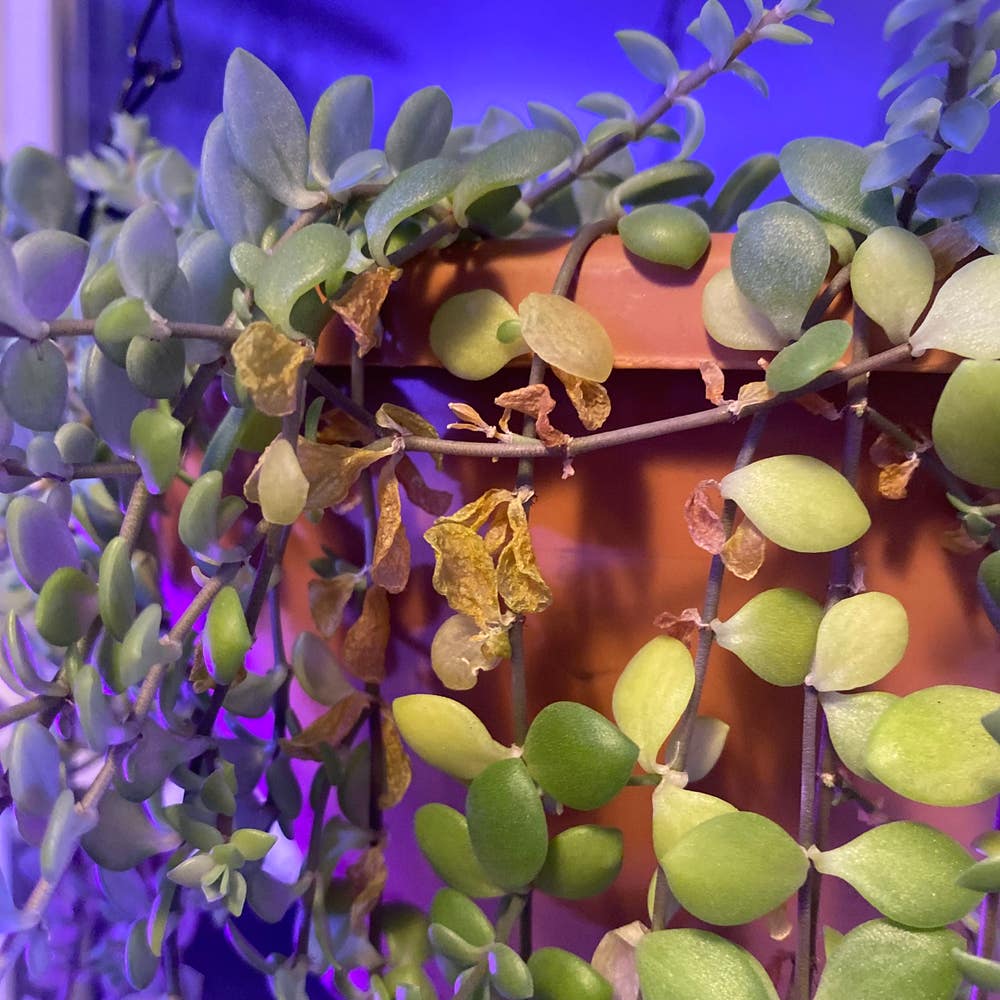
Yellowed leaves and limp branches are your plant's cry for help. Don't ignore them.
✂️ The Right Cut
Snip off the sad parts cleanly. Above a node is the sweet spot to avoid infection.
🚫 Preventing Disease
Dead and diseased branches are party central for pests. Cut them out, and you're essentially canceling the rave before it starts.
💪 Promoting Vigor
Think of pruning like a plant gym session. It's all about strengthening and encouraging new, buff growth.
🍂 After the Snip
Post-pruning, it's cleanup time. Fallen leaves left behind are like leaving dirty dishes out – they'll only attract trouble.
👀 Keep an Eye Out
Monitor your plant like it's under house arrest. New growth is good, but keep vigilant for signs of distress.
🔄 Rejuvenation Pruning
Not for the faint-hearted or the weak plants. Rejuvenation is a hard reset that not every Lipstick Plant can handle.
Remember, pruning is less about giving your plant a new 'do and more about keeping it from joining the choir invisible. Be sharp, be clean, and be observant.
Avoiding Pruning Pitfalls
🔪 Using the Right Tools
Sharp pruning shears are non-negotiable. Dull blades can mangle stems, leaving them vulnerable to pests and disease. Keep your tools clean and well-maintained to ensure clean cuts.
🕰 Timing is Everything
Prune at the wrong time and you might as well kiss those vibrant blooms goodbye. The Lipstick Plant's flowering cycle is sacred; respect it by pruning after blooming has ceased.
🗝 Moderation is Key
Remember, less is often more. Overzealous pruning can leave your plant in shock, stunting growth and bloom production. Aim to remove only what's necessary—dead or overgrown branches.
💧 Watering Wisely
Post-prune, resist the urge to drown your sorrows—and your plant's roots—in water. Overwatering can lead to root rot, so let the soil dry out a bit between waterings.
🐜 Pest Patrol
Keep an eye out for freeloaders like mealybugs and spider mites. If you spot these pests, deal with them before pruning to avoid spreading them around.
🌿 Expert Intervention
Sometimes, you've got to know when to fold 'em. If you're unsure about pruning, or if your plant has reached towering heights, consider calling in a professional. Better safe than sorry.
By dodging these pitfalls, you'll ensure your Lipstick Plant remains the envy of plant enthusiasts and the pinnacle of your indoor jungle.
Post-Pruning Care and Monitoring
After you've given your Lipstick Plant a trim, vigilance is your new best friend. Keep an eye out for signs of recovery or distress. Here's how to ensure your plant bounces back better than ever.
💧 Watering Wisdom
Hydrate your Lipstick Plant after pruning, but don't overdo it. Stick to the usual watering schedule, and only water when the soil feels dry to the touch.
🗑 Debris Duty
Clean up any fallen leaves or debris around the plant. This isn't just about being tidy; it's about preventing disease from setting in.
💦 Mist and Propagate
Feel free to mist the cuts to aid healing. If you've got some healthy clippings, why not try propagating them? It's like giving life to a mini-me of your plant.
🌱 Fertilizing Finesse
Hold off on the heavy fertilizers. If you must, a light dose of vitamin B complex can work wonders, acting like a soothing balm for stressed roots.
🌿 Mulch Makeover
Consider adding a layer of mulch to help maintain soil moisture and temperature, like a cozy blanket for your plant's roots.
👀 Monitor and Marvel
Keep a close watch on your plant for any signs of stress or disease. If you notice anything off, don't hesitate to consult a plant guru or hit the books (or the internet) for some troubleshooting.
Remember, aftercare isn't just a set of tasks—it's about forming a deeper connection with your plant. Treat it right, and it'll reward you with lush growth and vibrant blooms.
⚠️ Safety First
This content is for general information and may contain errors, omissions, or outdated details. It is not medical, veterinary advice, or an endorsement of therapeutic claims.
Always consult a qualified healthcare professional before using any plant as food, medicine, or supplement.
Never eat any plant (or feed one to pets) without confirming its identity with at least two trusted sources.
If you suspect poisoning, call Poison Control (800) 222-1222, the Pet Poison Helpline (800) 213-6680, or your local emergency service immediately.
Spotted an error? Please report it here.
Achieve a flourishing 💐 Lipstick Plant with Greg's custom reminders for precision pruning, ensuring vibrant blooms and robust health with every clip.