How to Know When to Repot a Lipstick Plant?
Aeschynanthus radicans
By the Greg Editorial Team
Jun 15, 2024•8 min read
This article was created with the help of AI so we can cover more plants for you. May contain errors. See one? Report it here.
Boost your Lipstick Plant's health and bloom by spotting the perfect repotting moment 🌺🕒.
- Roots peeking out? Time to repot your Lipstick Plant.
- 🌱 Repot in spring/summer for optimal Lipstick Plant health.
- Choose the right pot size—2-3 inches larger in diameter.
Recognizing the Need for Repotting
Identifying when your Lipstick Plant is screaming for a new home is key to its well-being. Here's how to spot the tell-tale signs of a pot-bound plant.
🌱 Root Check: The Tell-Tale Signs
Roots peeking out of the drainage holes? That's the plant's version of waving a white flag. If the roots are circling the bottom or growing upwards, it's a clear SOS.
🍂 Above Ground Symptoms
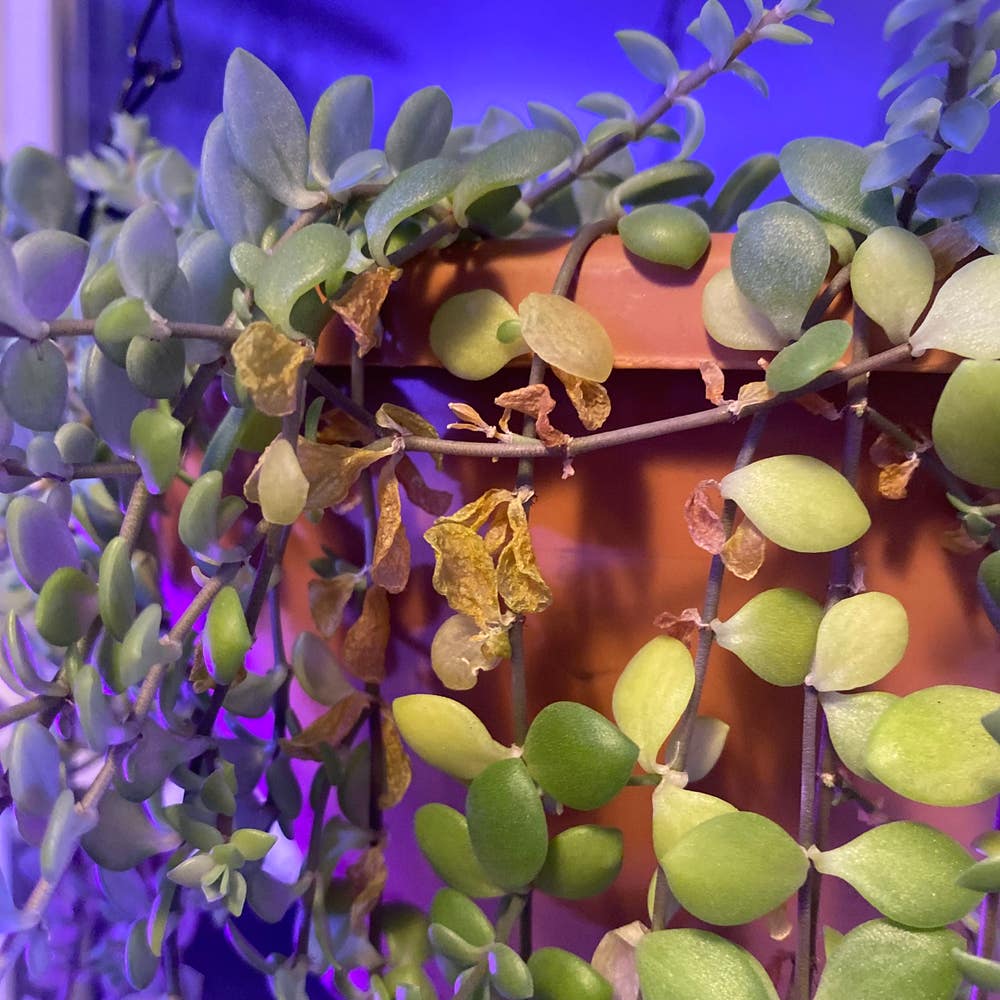
Wilting, yellow leaves, or a sudden growth halt during the growing season are your plant's way of saying, "I'm too big for my boots." Don't ignore these cries for help.
🏺 The Pot's Tell
A pot that's lighter than it should be or water that zips through the drainage hole without pause is a sign of a root takeover. It's time to upgrade the living quarters.
🛡️ Preventive Measures
Regularly monitoring root growth can save you from emergency repotting. It's better to be proactive than to deal with a plant that's already choking itself.
Remember, the Lipstick Plant isn't trying to make your life difficult. It's just following its natural instincts to grow. Give it space, and it'll reward you with its vibrant beauty.

Timing Your Repotting Efforts
Spring into action! Spring and summer are the prime seasons for repotting your Lipstick Plant. These periods of active growth make the plant more resilient to the stress of changing pots.
🌱 Optimal Seasons
Spring is the season of renewal, and for your Lipstick Plant, it's the ideal time to provide a fresh home. Summer's warmth continues to support vigorous growth, making it a safe bet for repotting as well.
🌿 Growth Phases and Repotting
Keep an eye on the growth. When the roots start cozying up to the pot walls, it's a sign they're seeking new horizons. However, don't rush—keeping your Lipstick Plant a tad pot-bound actually promotes blooming.
❄️ Seasonal Considerations
Avoid repotting when your plant is in winter dormancy. This is its time to chill, literally. The cooler, drier rest period helps set the stage for spring blooms.
🌡️ Temperature Tips
Maintain a stable environment. Sudden temperature swings are a no-no, so keep your plant away from drafts and vents during the repotting process.
Remember, timing is everything. Repot when your plant is ready, not just because the calendar says so.

Selecting the Right Pot Size
Choosing the right pot size for your Lipstick Plant isn't rocket science, but it's close. Too snug, and your plant's roots will stage a coup; too roomy, and you'll drown it in soil and loneliness.
🎯 The Goldilocks Zone
Aim for a pot that's 2-3 inches larger in diameter than the current one. It's the sweet spot that gives your plant's roots room to breathe without swimming in excess soil.
📈 A Matter of Growth
Remember, Lipstick Plants are like teenagers; they have growth spurts. If your plant is on the brink of its growth phase, leaning towards the larger end of that 2-3 inch range makes sense.
🚫 Avoid the Oversize Trap
Big pots might look impressive, but they're a recipe for waterlogging. Your plant doesn't need a mansion; a cozy cottage will do just fine.
👂 Listen to the Roots
If you see roots peeking out of the drainage holes or circling the soil surface, it's time for a new pad. But if the roots are happily hidden, hold off on the move.
📏 The Final Check
Before you commit, place the plant in the new pot without soil. There should be a 1-2 inch gap between the root ball and the pot wall. That's your green light.

Preparing for Repotting
Before diving into the repotting of your Lipstick Plant, assemble your tools. You'll need a new pot—ideally one that's a size up from the current one—and has drainage holes.
🌱 Materials
Grab some potting mix tailored for houseplants; it should be well-draining to prevent soggy roots. A trowel, gloves, and scissors or a sharp knife are also on the list. These will help you handle the plant and trim any excess roots.
🌿 Soil Preparation
Mix your potting soil with added perlite or pumice to increase aeration. If you're feeling adventurous, throw in some compost for an extra nutrient kick.
🏺 Pot Selection
Choose a pot that gives your plant room to grow but isn't so large that it drowns in soil. Terracotta is breathable and stylish, but plastic is lightweight and retains moisture longer. Your call.
💧 Pre-Repotting Care
Water your Lipstick Plant a day or two before the big move. This makes the roots more pliable and less likely to snap during the transition.
Remember, the goal is to provide a comfortable new home for your plant without stressing it out. So, take a deep breath, and let's get your green friend settled in with style and minimal fuss.
The Repotting Process
🌱 Gather Your Materials
Before diving in, make sure you have all your materials at the ready. You'll need a new pot, fresh potting mix, a trowel, scissors, and a watering can. Don't forget a chopstick for those tricky root maneuvers.
🔄 Remove the Plant
Turn your Lipstick Plant sideways and gently coax it out of its current home. If it's stubborn, tap the pot's sides and bottom. Worst case scenario, the chopstick comes out to play, poking through the drainage hole to push the root ball out.
✂️ Inspect and Prune
Once free, inspect the roots. Snip any dead ones and untangle the rest. If they're circling the pot, it's time for a little intervention. Use your fingers to tease them apart, and if needed, make a few light slashes to encourage new growth.
🏺 Potting Up
Now, introduce your plant to its new abode. Fill the bottom with potting mix, place the plant in, and add more mix around the sides. No air pockets, please—tamp down the soil as you go.
💧 The Final Touch
Water thoroughly but with a gentle touch. You're not trying to drown it, just settle it into its new digs. After that, your Lipstick Plant is ready to continue its journey, hopefully without any hard feelings about the move.
Choosing the Best Pot Material
When selecting a pot for your Lipstick Plant, material choice is crucial for its health and happiness.
🏺 Terracotta Pots
Terracotta is the breathable fabric of the plant world, allowing soil to dry out more efficiently due to its porous nature. This can be a double-edged sword; while it helps prevent root rot by drawing away excess moisture, it also means you'll need to water your Lipstick Plant more frequently. Remember, these plants don't appreciate bone-dry soil. If you're not the most attentive waterer, terracotta might have you running for the watering can more often than you'd like.
🏺 Ceramic Pots
On the flip side, ceramic pots, often glazed, retain moisture longer, acting like a mini reservoir for your plant. This could be beneficial if you're prone to forgetting the watering schedule. However, be vigilant—overwatering is a sin in the plant kingdom, and ceramic pots forgive no one.
🏺 Plastic Pots
Then there's plastic—the raincoat of pot materials. Lightweight and moisture-retentive, plastic pots are a wallet-friendly option that can keep your Lipstick Plant from drying out too quickly. But beware, they can also encourage waterlogging if not monitored closely, so make sure they have adequate drainage holes.
Weight and Stability
Consider the weight and stability of your pot. A top-heavy Lipstick Plant in a lightweight pot might take a tumble, so a heavier pot like terracotta can provide the necessary counterbalance.
Quality Matters
Not all terracotta is created equal. A high-quality terracotta pot will last years and breathe better than its cheaper counterparts. Do the sound test: a high-pitched ring when tapped indicates good quality, while a dull thud... not so much.
Aesthetic and Practical Considerations
Lastly, don't forget the aesthetic appeal. Your pot is the plant's home and your home's decor. Choose a style that speaks to you and complements your Lipstick Plant's vibrant personality. Whether you go for the rustic charm of terracotta, the sleek look of ceramic, or the practicality of plastic, make sure it's a match made in plant heaven.
Immediate Aftercare Strategies
Navigating the critical first weeks after repotting your Lipstick Plant requires a blend of attentiveness and restraint. Here's how to ace the aftercare.
🌿 Post-Repotting Positioning
Shade is your plant's new best friend. Relocate your Lipstick Plant to a spot with indirect light, sheltered from harsh sun and gusty breezes. This temporary home helps minimize water loss while it recovers.
💧 Humidity and Hydration
Consider the clear plastic bag trick to up the humidity ante, mimicking a mini greenhouse. Remember to air it out twice weekly—think of it as your plant's breather from a spa steam room.
🚰 Watering Wisdom
Water sparingly. Overzealous hydration can lead to root rot, so let the soil's top inch dry out before reaching for the watering can. It's a delicate dance between nurture and neglect.
🍽️ Fertilizer Freeze
Hold off on the fertilizer—your plant's not ready for a nutrient nosh just yet. Wait for signs of new growth, the green light that roots are settling in. Then, you can gently introduce fertilizers.
👀 Vigilance is Key
Keep an eye out for distress signals: drooping leaves, discoloration, or stunted growth. These could be cries for help or just temporary transplant shock. Patience is paramount as your plant adjusts to its new digs.
⚠️ Safety First
This content is for general information and may contain errors, omissions, or outdated details. It is not medical, veterinary advice, or an endorsement of therapeutic claims.
Always consult a qualified healthcare professional before using any plant as food, medicine, or supplement.
Never eat any plant (or feed one to pets) without confirming its identity with at least two trusted sources.
If you suspect poisoning, call Poison Control (800) 222-1222, the Pet Poison Helpline (800) 213-6680, or your local emergency service immediately.
Spotted an error? Please report it here.
Let Greg guide you to repot success 🌱 with timely reminders and tailored care tips, making sure your Lipstick Plant thrives in its new home.