💄 3 Tips for Healthy Lipstick Vine Roots
Aeschynanthus radicans
By the Greg Editorial Team
Sep 30, 2024•5 min read
This article was created with the help of AI so we can cover more plants for you. May contain errors. See one? Report it here.
Unlock vibrant growth for your lipstick vines 🌱 by mastering essential care tips and preventing root issues!
- 🌱 Lipstick vine roots are shallow, needing careful moisture management for health.
- 💧 Overwatering causes root rot; ensure soil dries slightly between waterings.
- 🌿 Use balanced fertilizers monthly during growth for robust root development.
Root Depth, Spread, and Growth Patterns
Root Depth 🌱
Lipstick vine roots are typically shallow, averaging between 6 to 12 inches deep. This shallow structure has significant implications for watering and soil management, as it requires careful attention to moisture levels.
Root Spread 🌍
These vines exhibit a wide lateral spread, with roots extending up to 2 feet or more. This expansive growth makes them sensitive to overwatering, emphasizing the need for a balanced watering approach.
Growth Patterns 📈
In optimal conditions, lipstick vine roots can grow rapidly. However, their activity varies seasonally, with growth patterns shifting based on environmental factors.
Understanding these root characteristics is crucial for maintaining healthy lipstick vines. With the right care, you can ensure robust growth and vibrant foliage.
Next, let’s explore how these root systems affect watering and fertilizing needs.
Watering and Fertilizing
🌱 How Root System Affects Watering Needs
Understanding your lipstick vine's root system is crucial for effective watering. These plants have shallow roots, typically extending only 6-12 inches deep, which means they require more frequent watering.
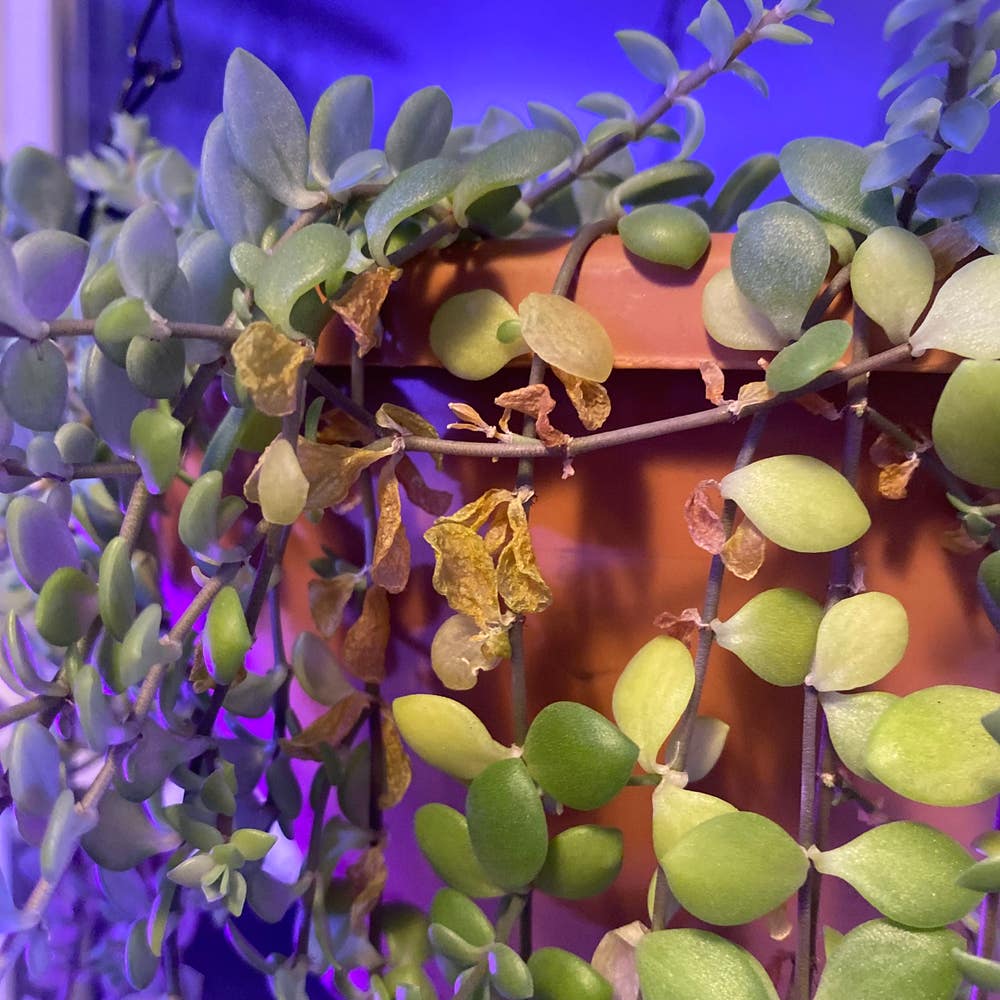
Allowing the soil to dry slightly between waterings is essential. Overwatering can lead to yellowing leaves and root rot, so keep an eye out for these signs to ensure your plant stays healthy.
🌿 Fertilization Techniques Tailored to Root Health
When it comes to fertilization, using balanced, water-soluble fertilizers during the growing season is highly recommended. This approach supports robust root development and overall plant vitality.
Timing is key; fertilize monthly during active growth and reduce frequency during dormant periods. This strategy helps maintain root health and ensures your lipstick vine thrives throughout the year.
With proper watering and fertilization, your plant will be well-equipped to grow strong roots and flourish. Next, let’s explore the best practices for transplanting and maintaining your lipstick vine.
Transplanting and Maintenance
Best Practices for Transplanting 🌱
Transplanting your lipstick vine is best done in spring or early summer. This timing allows the plant to acclimate and thrive in its new environment.
To ensure a successful transplant, follow these steps:
- Prepare the new pot with well-draining soil.
- Gently remove the plant from its current pot.
- Inspect and prune any damaged roots before replanting.
- Water thoroughly after transplanting.
These steps help minimize stress on the plant and promote healthy growth.
Importance of Root Health During Transplanting 🥕
Maintaining root health during transplanting is crucial. Aim for minimal disturbance to the root system to avoid shock.
After transplanting, keep an eye out for signs of transplant shock, such as wilting or yellowing leaves. Addressing these issues promptly can help your lipstick vine bounce back and flourish in its new home.
Understanding these transplanting techniques will set your plant up for success, leading to vibrant growth and resilience. Next, let’s explore common root-related issues that can arise and how to tackle them effectively.
Common Root-Related Issues
🦠 Identifying Root Rot and Other Diseases
Root rot is a common issue that can devastate your lipstick vine. Look for brown, mushy roots and a foul odor; these are telltale signs that your plant is in trouble.
Other diseases can also affect the roots, such as fungal infections. These can lead to stunted growth and overall decline in plant health.
🛠️ Solutions for Preventing Root-Related Problems
Preventing root-related issues starts with proper watering practices. Always allow the soil to dry slightly between waterings to avoid creating a soggy environment.
Soil management is equally crucial. Use well-draining soil and pots with drainage holes to ensure excess water can escape, keeping your roots healthy and thriving.
By following these best practices, you can significantly reduce the risk of root rot and other diseases. Healthy roots are the foundation of a resilient plant, setting the stage for vibrant growth and longevity.
As we move forward, let’s explore how to recognize and address rootbound conditions, ensuring your lipstick vine continues to flourish.
Recognizing Rootbound Plants
Definition and Signs of Rootbound Conditions 🌱
Rootbound plants occur when roots circle the pot, restricting growth. This often leads to stunted development and can hinder overall plant health.
Look for visual cues such as roots emerging from drainage holes or a noticeable lack of new growth. If your plant seems to be struggling despite proper care, it might be time to investigate further.
When and How to Address Rootbound Issues 🔧
Timing is crucial for repotting. If you notice roots tightly coiled or the plant seems to be outgrowing its pot, it’s a clear sign that repotting is necessary.
To alleviate rootbound conditions, follow these steps:
- Gently remove the plant from the pot.
- Loosen tightly bound roots to encourage new growth.
- Repot in a larger container filled with fresh soil.
By taking these actions, you can help your plant thrive and regain its vigor. Addressing rootbound issues promptly ensures your plant remains healthy and resilient.
Understanding these signs and solutions will empower you to maintain a flourishing environment for your lipstick vine. Next, let’s explore propagation and division techniques to further enhance your plant care skills.
Propagation and Division Techniques
🌱 Techniques for Maintaining Root Health During Propagation
When propagating lipstick vine, using stem cuttings with healthy roots is crucial. This ensures that the new plant has a strong start and can thrive in its new environment.
Humidity and moisture play vital roles during propagation. Keeping the cuttings in a humid environment helps prevent them from drying out, promoting successful root development.
🌿 Importance of Healthy Roots in Successful Division
Robust root systems are essential for thriving new plants. Healthy roots not only support growth but also enhance the plant's resilience to stress.
After division, monitoring root health is key. This vigilance ensures that the new plants establish well and continue to flourish in their new homes.
By focusing on these propagation and division techniques, you can foster healthy plants that will thrive for years to come. Next, let’s explore common root-related issues that can arise and how to tackle them effectively.
⚠️ Safety First
This content is for general information and may contain errors, omissions, or outdated details. It is not medical, veterinary advice, or an endorsement of therapeutic claims.
Always consult a qualified healthcare professional before using any plant as food, medicine, or supplement.
Never eat any plant (or feed one to pets) without confirming its identity with at least two trusted sources.
If you suspect poisoning, call Poison Control (800) 222-1222, the Pet Poison Helpline (800) 213-6680, or your local emergency service immediately.
Spotted an error? Please report it here.
Nurture your lipstick vines to thriving beauty 🌿 with Greg's tailored watering alerts and fertilization reminders that keep their roots happy and healthy!