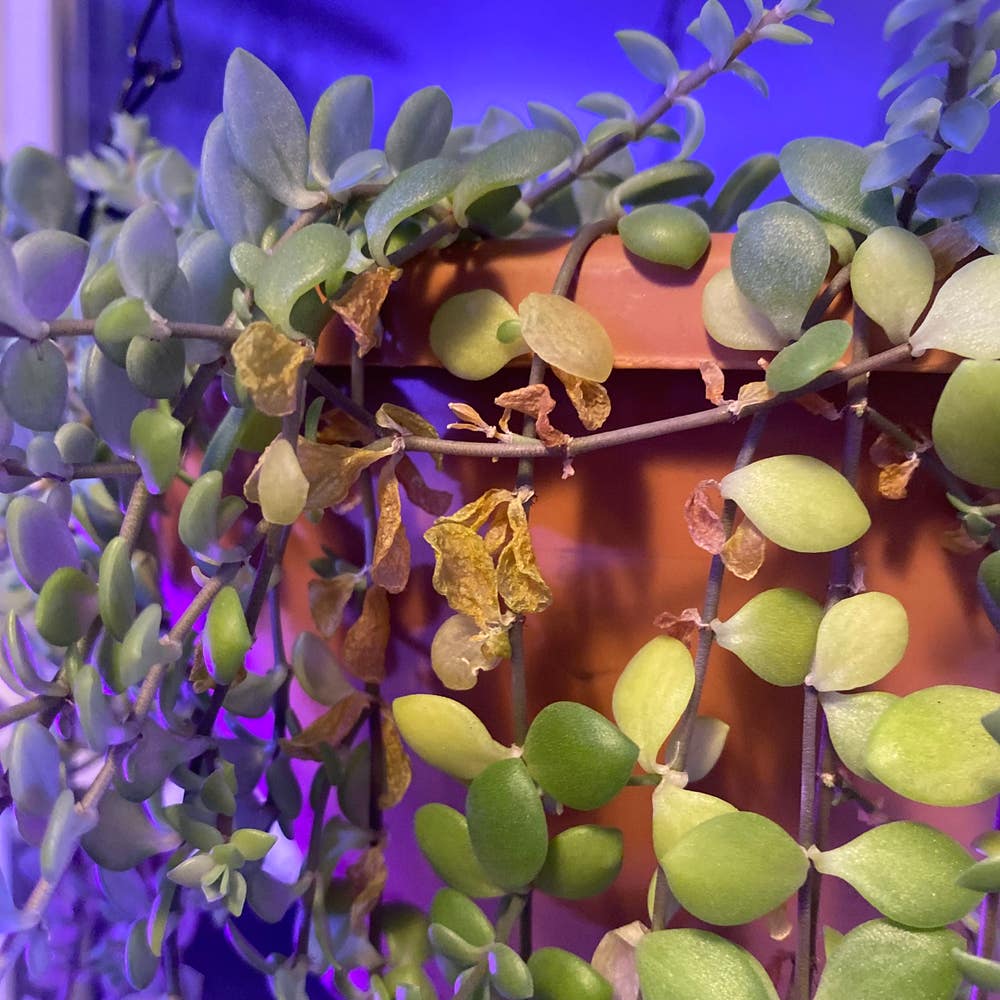
Why Are My Lipstick Plant Leaves Mushy? 💧
Aeschynanthus radicans
By the Greg Editorial Team
Jun 15, 2024•6 min read
This article was created with the help of AI so we can cover more plants for you. May contain errors. See one? Report it here.
Revive your Lipstick Plant 🌿 from mushy despair by unlocking the secrets to perfect plant health!
- Overwatering and root rot are main culprits for mushy leaves.
- 🌡️🌬️ Stable temperature and good air circulation prevent fungal issues.
- Prune and adjust care to combat and prevent mushiness.
Diagnosing Mushy Leaves in Lipstick Plants
Mushy leaves in Lipstick Plants often point to overwatering or root rot. These conditions create a soggy nightmare for your plant, where roots become as unappetizing as overcooked pasta.
🚰 Recognizing Overwatering
Yellow or brown leaves that droop or drop signal you've been too generous with water. A plant stem that's more mush than mighty is crying out for help.
🍄 Root Rot: The Underground Culprit
Root rot turns your plant's foundation into a mushy mess. If the roots are dark and squishy, it's time to take action. This is the plant equivalent of a zombie apocalypse below the soil.
🍄 Fungal Infections: Uninvited Guests
Fungal infections thrive in damp conditions, leaving brown spots and a general look of despair on your plant. It's like throwing a party for fungi and forgetting to uninvite them.
🌬️ Quick Tips for Diagnosis
- Avoid waterlogged roots; they're a fungal playground.
- Leaves falling off under their own weight? You've likely overwatered.
- Boost airflow and cut back on watering to prevent these issues.
Remember, a mushy stem is a distress signal for root rot. If your plant's roots are sitting in waterlogged soil, it's only a matter of time before the fungal infection turns them into a brown, mushy mess. It's like a zombie apocalypse for your plant's roots. - Brown spots on leaves or stems
- A general appearance of despair
- Roots that are soft, mushy, and dark [...]

Addressing Environmental Contributors
💦 Humidity: The Invisible Embrace
Humidity is like that well-meaning relative who hugs just a bit too tightly. Lipstick Plants thrive at a humidity level of 40-50%. Too much moisture in the air, and you're asking for mushy leaves. Too little, and they'll start to look like they've been on a desert trek. If your home's air is drier than a stand-up comedian's wit, consider a humidifier or a pebble tray to up the ante on ambient moisture. But, keep it balanced—no soggy bottoms allowed.
🌡️ Temperature: The Silent Saboteur
Temperature swings are the silent drama queens of the plant world. Lipstick Plants don't appreciate the thrill of a temperature roller coaster. They prefer stability, thank you very much. If your plant's leaves are mushier than a romance novel's ending, it might be time to stabilize your indoor climate. No sudden chills or heat waves; think springtime in California.
💨 Air Circulation: The Breath of Life
Stale air is to plants what a stagnant career is to a Hollywood actor—nothing good comes of it. Good air circulation is like a personal trainer for your Lipstick Plant, keeping it fit and less prone to fungal gatecrashers. A gentle fan can work wonders, just don't turn your living room into a wind tunnel.
Quick Environmental Fixes
- Humidity check: Aim for that sweet spot between 40-50%.
- Temperature control: Keep it steady, avoid extremes.
- Airflow: Keep it moving, but not too fast—think light zephyr, not hurricane.

Combating Pests and Diseases
🍄 Fungal Infections: The Unseen Invader
Fungal infections are like unwanted guests at a party—they show up uninvited and wreak havoc. Mushy leaves often signal that a fungal fiesta is in full swing. Look for leaves that have lost their firm handshake, turning into a limp, lifeless wave goodbye. If you spot a leaf that looks like it's been through the wash one too many times, it's time to act.
🚑 Immediate Steps to Treat Mushy Leaves
Snip those mushy leaves pronto! Using a sterile pair of scissors or pruning shears, carefully remove any affected leaves. This prevents the spread of any potential fungal spores lurking about. Remember, it's like removing a band-aid – quick and decisive. Dispose of these leaves securely; don't even think about composting them unless you fancy a fungal fiesta in your garden.
🐜 Pests: The Party Crashers
Aphids and spider mites are notorious for turning lush leaves into mushy messes. They're like the folks who show up uninvited and eat all your snacks. Insecticidal soap or neem oil can be the bouncers you need to show these pests the door. Apply with care and precision—think of it as drawing a line in the soil they shall not pass.
🚫 Prevention: Keeping the Pests at Bay
Prevention is better than cure, right? Keep an eye out for the early signs of pests and act swiftly. Regular plant check-ups are a must—think of it as a routine doctor's visit for your green buddy. Ensure good air circulation around your plants; it's like giving them room to breathe at a crowded party.
🍃 Mold and Mildew: The Silent Spreaders
Powdery mildew and mold love to crash the leafy soiree, especially when conditions are damp and poorly ventilated. Airflow is key—think of it as the plant's personal space that needs respecting. If you spot a white, fuzzy growth, it's time to cut back on the watering and crank up the air circulation. Fungicides are the last resort, like calling the cops on a rowdy party—use them if you must, but always as directed.
🌱 Cultural Practices: The Foundation of Health
Good soil management is like a good life coach—it supports and enriches. Use well-draining soil and consider mulching to keep moisture levels even-keeled and to discourage unwanted weed guests. But don't let the mulch turn into a wet blanket; it should be a protective layer, not a soggy one.

Corrective Actions and Prevention
✂️ Pruning and Debris Management
Prune affected leaves with the precision of a bonsai artist, removing only the mushy, damaged parts. This isn't just a trim; it's a strategic cut to redirect the plant's energy to healthier growth. Dispose of the pruned material immediately to prevent the spread of any potential pathogens.
💧 Soil and Watering Adjustments
Reassess your watering schedule; your Lipstick Plant isn't a camel, it doesn't need to store water. Ensure the soil is well-draining to avoid waterlogged roots. If it's more bog than bed, consider repotting with a fresh, airy mix.
🌿 Pot Considerations
If your pot is more of a swimming pool than a home, it's time for a change. Choose a container with adequate drainage holes to let excess water escape. No plant likes wet feet, especially not the Lipstick Plant.
🌡️ Environmental Stability
Keep the temperature and humidity consistent; your plant craves stability like a cat basking in a sunbeam. Avoid placing it in drafty areas or next to heat sources that could cause fluctuations in its environment.
👀 Ongoing Vigilance
Stay vigilant. A change in leaf texture is like a distress flare, signaling it's time to adjust your care routine. Regular maintenance checks are the tune-ups your Lipstick Plant needs to thrive.
🛡️ Preventive Care
Stick to a care routine that's as regular as your morning coffee. Adjust for seasonal changes in humidity and light, and always be on the lookout for early signs of trouble. Prevention is the best medicine, after all.
⚠️ Safety First
This content is for general information and may contain errors, omissions, or outdated details. It is not medical, veterinary advice, or an endorsement of therapeutic claims.
Always consult a qualified healthcare professional before using any plant as food, medicine, or supplement.
Never eat any plant (or feed one to pets) without confirming its identity with at least two trusted sources.
If you suspect poisoning, call Poison Control (800) 222-1222, the Pet Poison Helpline (800) 213-6680, or your local emergency service immediately.
Spotted an error? Please report it here.
Banish mushy leaves and embrace a thriving Lipstick Plant with Greg's tailored watering schedules 🌱, ensuring just the right amount of moisture to prevent overwatering and root rot.