Why Are There Brown Spots on My Lipstick Plant Leaves?
Aeschynanthus radicans
By the Greg Editorial Team
Jun 15, 2024•7 min read
This article was created with the help of AI so we can cover more plants for you. May contain errors. See one? Report it here.
Solve the mystery of your Lipstick Plant's brown spots and revive its lush leaves! 🌿🔍
- Brown spots can signal overwatering, nutrient lack, or infections.
- 🌱 Adjust watering and light to prevent stress and root rot.
- 🕵️♂️ Inspect and treat for pests and fungal issues regularly.
Identifying and Diagnosing Brown Spots
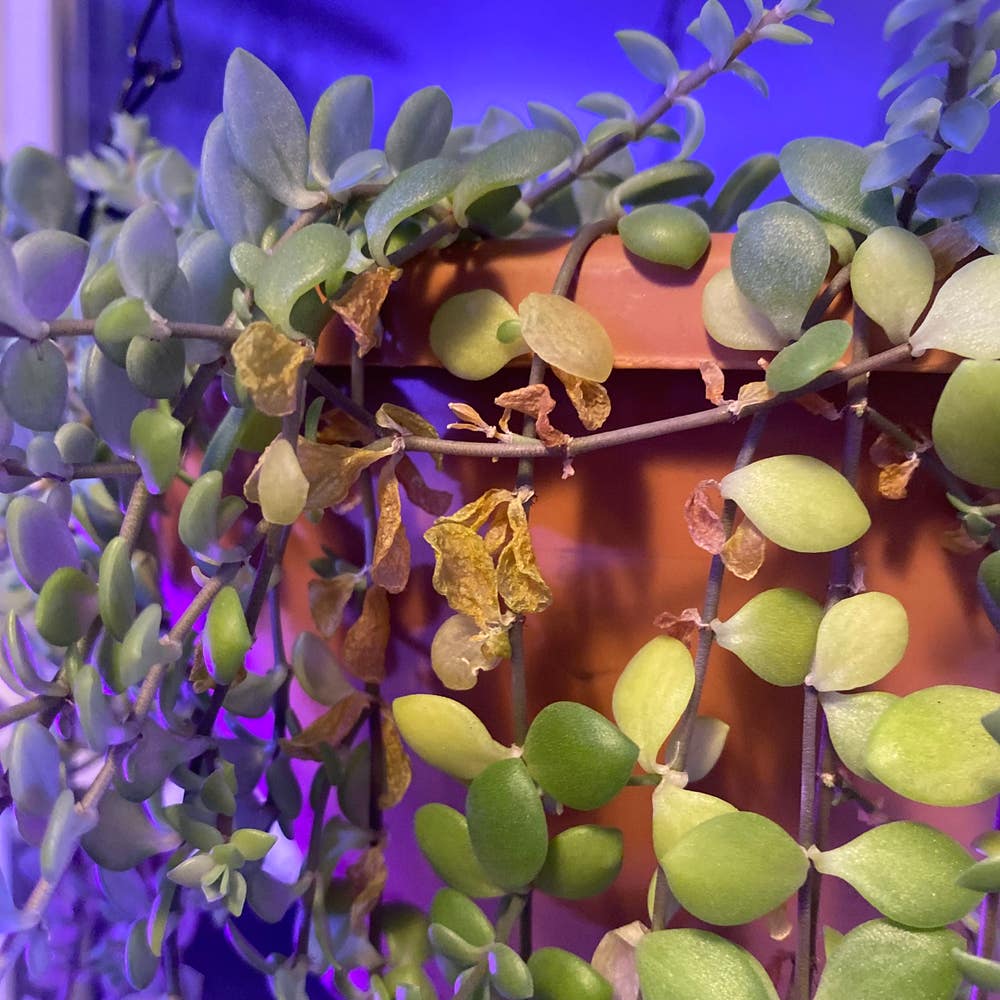
Brown spots on your Lipstick Plant's leaves can be as varied as the causes behind them. From rusty patches indicating nutrient issues to circular spots hinting at fungal or bacterial problems, these are your plant's distress signals.
🕵️♂️ Recognizing Symptoms
Rust-colored patches often point to a deficiency in essential nutrients. Circular brown spots with a yellow halo could mean a fungal or bacterial infection is at play. If the spots are soft and mushy, it's time to consider overwatering as a likely suspect.
🛠️ Steps to Determine the Cause
- Inspect the leaves, stems, and roots for patterns and damage.
- Check the soil's moisture; overwatering is a frequent issue.
- Consider environmental factors like light exposure and humidity levels.
- Isolate the plant if pests or disease are suspected to prevent spread.
- Consult a lab test if you're still stumped after a thorough inspection.
By following these steps, you'll be on your way to pinpointing the cause of those pesky brown spots. Remember, the key is to be a plant detective—observe, assess, and act.

Correcting Watering and Soil Moisture
Watering your Lipstick Plant is less about sticking to a calendar and more about tuning into its needs. Check the soil moisture before you water; aim for moist, not soggy.
💧 Adjusting Watering Schedules
Water thoroughly until it drains out the bottom, but don't let the plant sit in water. Overwatering leads to root rot, and nobody wants that.
Adapt your watering habits to your local climate. If your plant's leaves are getting mushy, you're probably loving it a little too much with water.
🚰 Ensuring Proper Soil Drainage
Improve drainage by mixing in perlite, vermiculite, or sand. If your pot's lacking drainage holes, it's time for an upgrade or a DIY drilling session.
Monitor the soil's moisture with a finger test or get techy with a soil moisture meter. When the top inch is dry, it's time to water.
Remember, your plant's thirst isn't dictated by the calendar. Seasonal changes mean less water in winter, more vigilance in summer. It's like swapping shorts for sweaters, but for your plant.

Optimizing Light and Humidity
🌞 Light: The Sweet Spot for Lipstick Plants
Lipstick Plants crave bright, indirect light. Direct sunlight in the winter is a thumbs-up, but during the rest of the year, it's a no-go. Too much sun leads to leaf burn, while too little leaves your plant looking like it's been on a Netflix binge—pale and unenthused. Place it near a window, but shield it with a sheer curtain to avoid the harsh midday glare.
💦 Humidity: Keeping It Tropical
These plants are humidity hogs—they love it like a cat loves a warm laptop. Aim for 50% or higher humidity. Skip the guesswork; use a humidity monitor. If the air's drier than your humor in winter, it's time to up the ante. A pebble tray or a cool-mist humidifier can be a game-changer. And remember, misting isn't just for hot summer days—it's a year-round gig for these tropical beauties.
💨 Airflow: The Unsung Hero
Good ventilation is key. It's like mixing a good cocktail—blend the hot air with cooler air to avoid temperature stress. Watch for brown leaf margins or shedding leaves; they're your plant's way of waving a white flag. Keep the air moving, but don't let your plant catch a cold draft or bake in a hot spot.
🍂 Seasonal Adjustments: A Plant's Wardrobe Change
As seasons change, so should your plant's spot. When the sun's on its summer tour, protect your plant like it's a VIP at a concert—backstage, away from the direct spotlight. Water with lukewarm affection, no ice-cold shocks. And just like us, your Lipstick Plant appreciates cooler evenings to recover from the day's heat.
Remember, the right light and humidity are like a perfect pair of jeans—hard to find, but once you do, stick with them. Your Lipstick Plant will thank you with vibrant leaves and a show of flowers that'll make your other houseplants jealous.

Treating Fungal Infections and Pests
🐛 Identifying the Culprits Behind Brown Spots
Pests and fungal infections are like uninvited guests at a garden party, causing those unsightly brown spots on your Lipstick Plant. Aphids, thrips, and spider mites are the usual suspects. They suck the life out of leaves, leaving behind their calling card—brown, damaged tissue. Fungal foes, on the other hand, start with a dark spot, often encircled by a yellow halo, and can escalate quickly if ignored.
💥 Hit 'Em Hard and Fast
Once you've played detective and identified the pest or fungus, it's time for action. Prune affected areas with sterilized scissors—think of it as excising the bad to save the good. For fungal infections, organic treatments like sulfur or copper octanate can be your first line of defense. A homemade mix of baking soda and liquid soap can also be a gentle yet effective remedy. If the situation calls for the big guns, don't hesitate to use an all-purpose fungicide, but always follow the label to the letter.
🛡️ Prevention: Your Plant's Best Defense
Regular plant hygiene is non-negotiable. Wipe those leaves down, check the roots during repotting, and keep an eye out for early signs of trouble. Moisture control is critical—overwatering invites fungi to the party, while underwatering stresses your plant, making it vulnerable to pests. Improve air circulation and ensure your plant's living conditions don't become a breeding ground for problems.
👀 Monitoring: The Key to Plant Health
After treatment, play the watchful guardian. If new growth is healthy and brown spots are history, you've won this round. But stay vigilant. Regular check-ups will ensure your Lipstick Plant stays in the clear, and any new threats are dealt with posthaste. Remember, in the plant world, the best offense is a good defense.
Nutrient Management and Soil Health
🍃 Recognizing Nutrient Deficiencies
Nutrient deficiencies in a Lipstick Plant can be a real bummer for your green buddy. Yellowing leaves with brown spots could scream nitrogen deficiency, while a lack of phosphorus might give you a purplish hue. It's like your plant is trying to tell you it's on a bad diet.
🌱 Amending Soil
Soil testing is your best friend here. It's like a health check-up for your plant's home. If the test shows your soil is lacking, it's time to play doctor. Add compost or manure to enrich the soil with organic goodness. It's like giving your plant a vitamin boost.
🌿 Fertilizing Correctly
When it comes to fertilizing, think of it as seasoning food. Too much, and you'll burn those roots faster than a hot skillet. Too little, and your plant's growth will be as stunted as a bonsai. Use a balanced, water-soluble fertilizer and follow the label like it's a sacred text.
💧 Soil Moisture and Fertilizer
Always check your soil's moisture before going in with fertilizer. Dry soil plus fertilizer equals a recipe for disaster. It's like adding fuel to a fire—root burn is no joke.
📊 The Role of pH
Don't ignore soil pH; it's like the pH balance of a swimming pool. Too high or too low, and your plant will be as unhappy as a cat in water. Adjust the pH to keep it in the sweet spot, and your plant will thank you by flaunting spot-free leaves.
🌱 Monitoring and Adjusting
Keep an eye on your plant after you've made changes. If those brown spots start to fade and new growth looks healthy, you're on the right track. If not, it's back to the plant care drawing board. Remember, plant care is a marathon, not a sprint.
⚠️ Safety First
This content is for general information and may contain errors, omissions, or outdated details. It is not medical, veterinary advice, or an endorsement of therapeutic claims.
Always consult a qualified healthcare professional before using any plant as food, medicine, or supplement.
Never eat any plant (or feed one to pets) without confirming its identity with at least two trusted sources.
If you suspect poisoning, call Poison Control (800) 222-1222, the Pet Poison Helpline (800) 213-6680, or your local emergency service immediately.
Spotted an error? Please report it here.
Eradicate those pesky brown spots and cultivate a thriving Lipstick Plant by leveraging Greg's tailored care plans 🌿 and real-time community support for spot-on advice!