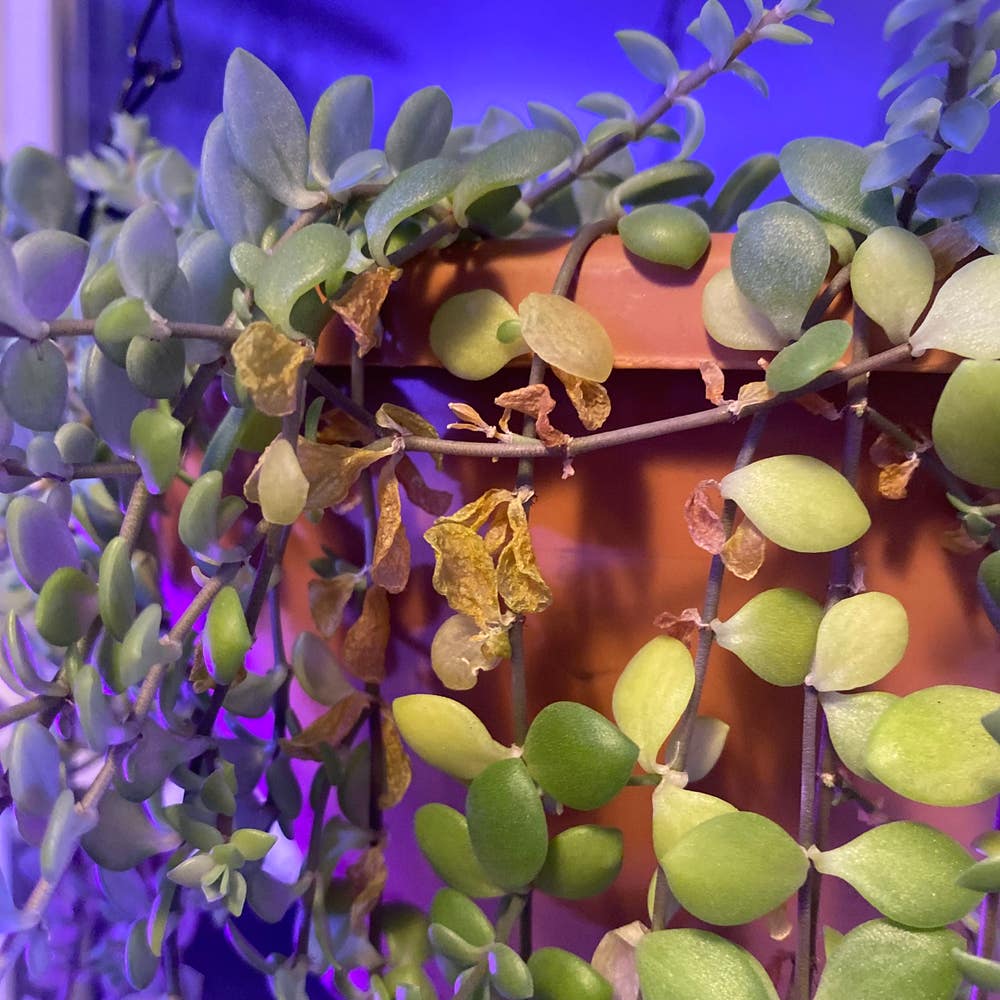
🐛 What Are The Bugs on My Lipstick Vine?
Aeschynanthus radicans
By the Greg Editorial Team
Jun 15, 2024•9 min read
This article was created with the help of AI so we can cover more plants for you. May contain errors. See one? Report it here.
Protect your Lipstick Vine from destructive bugs with effective, timely treatments! 🌿🛡️
- Spider mites need quick action: water blast or neem oil treatment.
- Scale, mealybugs, thrips, whiteflies: Identify and treat with soaps, oils, or manual removal.
- Prevent infestations: Regular inspection, quarantine new plants, and proper care.
Identifying and Treating Spider Mites
🔍 Spotting the Culprits
Tiny specks on leaves and fine webbing are telltale signs of spider mites on your Lipstick Vine. Check the undersides of leaves; if you see clusters of these minuscule pests, it's time to act fast.
💦 Immediate Action
Blast them away! A strong stream of water can dislodge spider mites. Just be mindful of the soil—don't turn your plant into a swamp.
🌿 Neem Oil: The Natural Choice
Apply neem oil mixed with water using a spray bottle or cloth. This organic savior is safe for most beneficial insects and pets. Reapply every seven days, but feel free to rinse off pests daily.
🧼 Insecticidal Soap: The One-Two Punch
If neem oil doesn't cut it, insecticidal soap is your next best friend. It suffocates mites on contact. Mix a mild liquid soap with water and spray it directly onto the affected areas.
🔄 Persistence Pays Off
Remember, spider mites breed faster than bunnies in spring. You'll need to repeat treatments to catch new hatchlings. Stay vigilant—your plant's life depends on it.
🔄 Rotate Your Remedies
Don't let the mites get too cozy with any one treatment. Switch it up between neem oil, insecticidal soap, and home remedies like diluted rubbing alcohol to keep them guessing—and dying.
🚫 Keep It Isolated
If you spot spider mites, quarantine your Lipstick Vine. These critters are like gossip—they spread fast. Isolation helps prevent a full-blown infestation party.
🛡️ Prevention: Better Than Cure
Regularly check your plants. Keeping an eye out for early signs of spider mites can save you a world of trouble. And remember, healthy plants are less inviting to pests, so give your Lipstick Vine the TLC it deserves.

Battling Scale Infestations
🐞 Recognizing Scale on Your Lipstick Vine
Scale insects are sneaky pests, masquerading as harmless bumps on your plant's leaves and stems. Look closely; if you spot brown or tan scaly discs clinging to your Lipstick Vine, you've got scale. These critters are sap-suckers, draining the vitality from your plant. They may also excrete a sticky substance called honeydew, which can lead to sooty mold.
🛠️ Remedies: Manual Removal and Horticultural Oil
Get hands-on with these pests. Use a toothpick or your fingernail to scrape off the visible scale insects. For a more targeted approach, dabbing them with a cotton swab soaked in rubbing alcohol can loosen their grip. Horticultural oil is your next line of defense. Apply it directly to the infested areas, but do so with caution. Avoid high temperatures when treating; you don't want to scorch your plant. And remember, persistence is key—these pests are stubborn. Keep inspecting and treating as needed to protect your Lipstick Vine from these unwelcome squatters.

Controlling Fungus Gnats and Fruit Flies
Fungus gnats and fruit flies can turn your Lipstick Vine from a beauty into a beast. Detecting these pests early is key; look for tiny insects hovering around the plant or soil. Gnats love moist soil, so letting the top layer dry out between waterings is a solid first step in control.
🚨 Signs of Infestation
Adult fungus gnats resemble small mosquitoes and are often seen flying near the plant's surface. Fruit flies, on the other hand, are attracted to decaying organic matter and may be spotted if your plant's environment isn't clean. Both pests are more than a nuisance; their larvae can harm the plant's roots, leading to stunted growth.
🛡️ Control Methods
Soil Drying
Cutting off the water supply is like hitting these pests with a drought. Dry out the topsoil to interrupt their life cycle.
Sticky Traps
Deploy yellow sticky traps near your Lipstick Vine. These are like fly paper for the digital age—gnats can't resist the color and get stuck in their tracks.
Biological Warfare
Introduce natural predators like nematodes or predatory mites. These tiny allies wage war on gnats from the inside out.
Vinegar Traps
A dish of apple cider vinegar mixed with dish soap is like a pool party for gnats—they dive in and don't come out.
Hydrogen Peroxide
Mix one part hydrogen peroxide with four parts water and give your plant a good spritz. It's like a spa treatment that doubles as pest control.
Mosquito Bits
Soak these in water and drench the soil. It's like dropping a bomb on the larvae, disrupting their groovy breeding ground.
Remember, consistency is your ally in the battle against these pests. Regular checks and a combination of these methods will keep your Lipstick Vine looking lush, not lethargic.

Eradicating Mealybugs
🐛 Spotting the Critters
Mealybugs look like tiny, fluffy cotton-dwellers, hijacking your Lipstick Vine's vitality. They're the uninvited guests that throw a party at the expense of your plant's health.
🍸 Alcohol: The Bug Buster
Grab a cotton swab, dip it in rubbing alcohol, and show those mealybugs the exit door. It's a direct hit, killing them on contact. For those playing hide and seek, a spray bottle can reach into the nooks they love.
🌿 Neem Oil: The Natural Nemesis
Neem oil isn't just a treatment; it's a preventative measure. Mix it with water, spray it on the leaves, and add it to the soil. It's like setting up a security system that keeps the bugs out. Test it on a small area first—no need for surprises.
🔄 Persistence Pays Off
Consistency is key. Regular checks and repeated treatments are your best bet for a mealybug-free Lipstick Vine. It's like brushing your teeth—you've got to keep at it for the best results.
💣 When the Going Gets Tough
If you're facing a mealybug Armageddon, it might be time to bring out the big guns. Systemic insecticides can be a last resort when the natural methods just aren't cutting it. Remember, it's a jungle out there, and sometimes you need to fight fire with fire.
Thrips: Detection and Control
🔍 How to Identify Thrips
Look for tiny larvae about 1mm long, creamy-yellow in color. Adult thrips are slender, black insects that prefer the undersides of leaves. You might also notice black specks—their excrement—or a brownish tinge on leaf undersides. New growth appearing mottled or damaged is a red flag.
🛡️ Immediate Control Measures
Neem oil is your go-to weapon. Mix a few drops with water and a smidge of eco-friendly dish soap to emulsify. Spray thoroughly, covering all plant surfaces. This smothers the thrips and disrupts their lifecycle.
Insecticidal soap is another ally. It's less harsh than some chemical options and can be effective with regular application. Ensure complete coverage for best results.
💡 Proactive Strategies
Preventative measures are better than cure. Introduce ladybugs to your plant's ecosystem—they're natural predators of thrips. Also, consider using yellow sticky traps to catch adults before they can lay eggs.
⚠️ When to Escalate
If neem oil and insecticidal soap aren't cutting it, you may need to resort to more potent treatments. But remember, harsh chemicals can be tough on both plants and people. Use them as a last resort and follow the manufacturer's instructions to the letter.
👀 Consistent Vigilance
Keep an eye out for signs of thrips even after treatment. A lapse in attention can give these pests the opening they need to return. Regularly check your Lipstick Vine, and stay ready to defend it with your chosen arsenal.
Whitefly Management
Whiteflies can turn your Lipstick Vine from a showstopper to a sticky mess. These tiny, moth-like nuisances congregate on the undersides of leaves, sapping the life out of your plant and leaving a honeydew trail that screams "dinner" to sooty mold.
🕵️ Identifying Whiteflies
Spotting these pests is a game of disturb and observe. Give your plant a gentle shake and watch for a cloud of white insects to take flight. Their nymphs, resembling scale, cling to the leaves, feasting and growing.
🛡️ Management Strategies
Sticky Traps
Yellow sticky traps are your first line of defense. They're like flypaper for whiteflies, capturing adults and reducing the population. Place them near the infested areas and prepare for a grim, yet satisfying, bug graveyard.
Insecticidal Soap
When it comes to insecticidal soap, think of it as the nemesis of whiteflies. Spray thoroughly, hitting the undersides of leaves where these pests love to hide. It's a contact killer, so coverage is key. Reapply as needed, and always during cooler hours to avoid leaf burn.
Neem Oil
Neem oil is the multi-tool in your pest-fighting belt. It disrupts the life cycle of whiteflies, acting as a repellent, growth regulator, and insecticide. Apply as directed, and remember, patience is part of the process.
Vacuum Technique
For a low-tech approach, use a handheld vacuum to suck up adult whiteflies. It's oddly satisfying and reduces numbers quickly. Just don't forget to freeze the bag to finish them off.
Fertilization Caution
Over-fertilizing with nitrogen can lead to lush, but weak, growth that whiteflies find irresistible. Go easy on the feed to avoid turning your Lipstick Vine into an all-you-can-eat buffet.
Remember, consistency is your ally. Regular checks and treatments will keep your Lipstick Vine as healthy and vibrant as its namesake.
Preventative Care for Lipstick Vine
Regular inspection and quarantine practices are the unsung heroes in the battle against pests. When new plants enter your space, give them a timeout—isolate them from your other green buddies to prevent any covert critters from staging a coup.
💨 Environmental Control
Air circulation is like the lifeblood of plant health. Keep your Lipstick Vine in a spot where the air isn't stale—think of it as setting up a dance floor for leaves, where they can sway without bumping into each other. This not only makes for a dramatic display but also wards off fungal fiestas.
Watering practices are a balancing act. Overzealous hydration is a no-go; let the top inch of soil dry out before giving your plant a drink. Remember, soggy equals sad when it comes to roots.
Keeping Pests at Bay
Cleanliness is next to pestlessness. Wipe down those leaves like you're detailing a vintage car. It's not just about shine; it's about spotting any freeloading bugs before they settle in.
Temperature and humidity need to be just right. Not too hot, not too cold, and with a dash of moisture in the air—think of it as setting the mood for a healthy plant romance.
Pro Tips
- Inspect regularly. Use a magnifying glass if you have to. It's like playing detective, but the clues are tiny and have legs.
- Prune with purpose. It's not just for looks; it's for airflow and growth, which are like the plant version of a gym membership.
- Fertilize judiciously. It's the plant equivalent of a balanced diet—too much junk food, and you're asking for trouble.
Remember, the best offense is a good defense. Treat your Lipstick Vine like it's a VIP in the club of your home, and you'll keep the riff-raff out.
⚠️ Safety First
This content is for general information and may contain errors, omissions, or outdated details. It is not medical, veterinary advice, or an endorsement of therapeutic claims.
Always consult a qualified healthcare professional before using any plant as food, medicine, or supplement.
Never eat any plant (or feed one to pets) without confirming its identity with at least two trusted sources.
If you suspect poisoning, call Poison Control (800) 222-1222, the Pet Poison Helpline (800) 213-6680, or your local emergency service immediately.
Spotted an error? Please report it here.
Keep your Lipstick Vine pest-free 🌿 with Greg's timely reminders for regular inspections and tailored treatment tips from this guide.