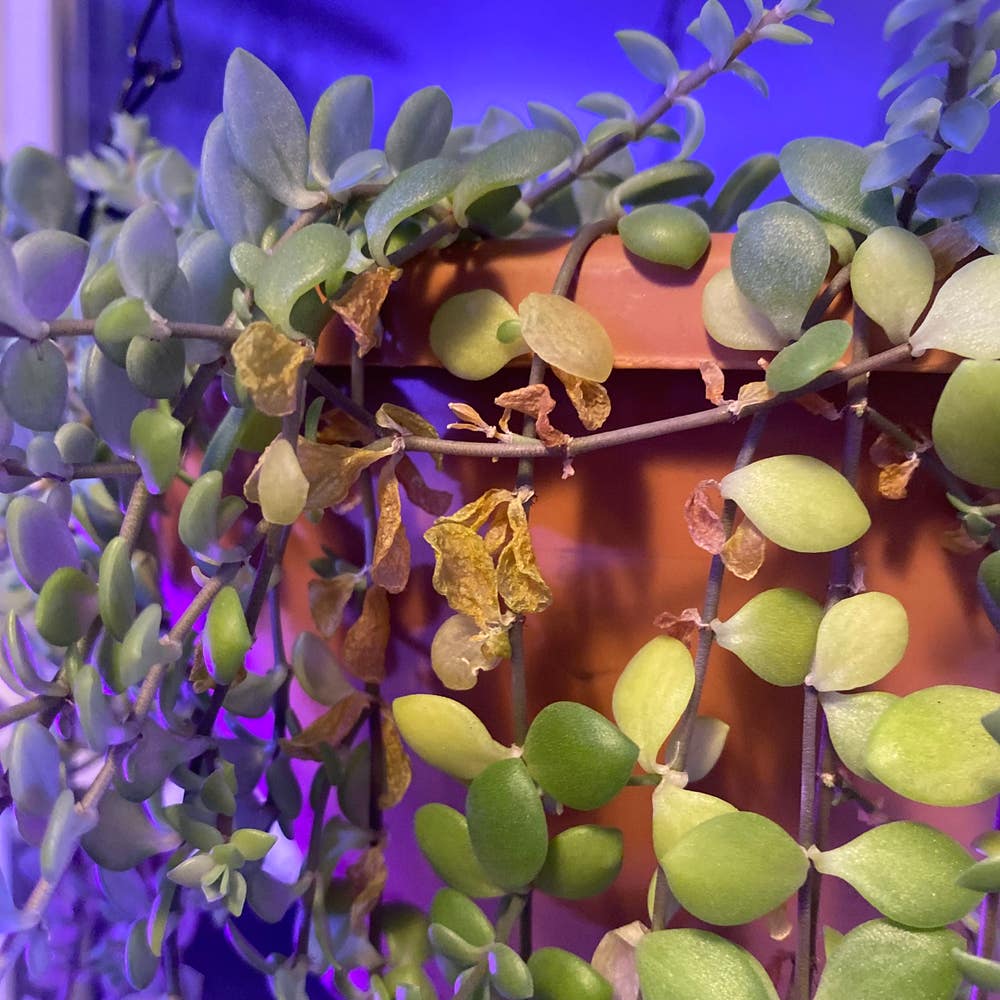
Soil Recommendations for Lipstick Plant
Aeschynanthus radicans
By the Greg Editorial Team
Jun 15, 2024•9 min read
This article was created with the help of AI so we can cover more plants for you. May contain errors. See one? Report it here.
Nurture a thriving Lipstick Plant 🌺 by mastering the art of soil perfection for unstoppable growth and health!
- Mold and waterlogging harm roots, improve airflow and drainage.
- Ideal soil mix: peat moss, perlite, pine bark.
- Terracotta pots recommended for breathability and drainage.
Signs of Unhealthy Soil in Lipstick Plants
🍄 Mold: The Unwanted Guest
Spot mold on your Lipstick Plant's soil? That's the botanical equivalent of finding mold on your bread—it's a no-go. Airflow is your friend here; crank it up to evict these fungal squatters. If it's a full-blown mold fiesta, you might need to bring in a fungicide bouncer.
💧 Waterlogged Soil: The Silent Killer
If your Lipstick Plant's soil is more swamp than soil, you've got a problem. Roots need to breathe, and waterlogged soil is like stuffing a pillow over their faces. The symptoms? Yellowing leaves, a stench of decay, and roots that are mushier than overcooked noodles. It's a silent scream for better drainage.
🚩 The Telltale Signs
Keep an eye out for leaves throwing in the towel—wilting, yellowing, or browning. It's the plant's way of saying, "Hey, I'm not okay!" And if you notice your plant's growth has hit the brakes, it's time to inspect the soil situation.
🧟♂️ Root Rot: The Underground Menace
Root rot is like the boogeyman of the plant world—it lurks unseen, waiting to strike. If your plant's roots look like they belong in a zombie flick, it's time to act. Trim the dead weight, give your plant a fresh soil start, and adjust your watering game. Remember, it's a drink, not a bath.
🛡️ The Proactive Approach
Stay sharp and keep a lookout for early distress signals. Changes in leaf health or color can be the canary in the coal mine, warning you of potential soil health issues. It's about being the Sherlock Holmes of horticulture—observe, deduce, and act before your plant sends out an SOS.

Addressing and Preventing Soil Health Issues
Treating moldy soil starts with a hands-on approach. Scrape off any visible mold; it's unsightly and can signal deeper issues. To prevent a mold comeback, let the soil dry between waterings. This isn't neglect—it's tough love for your plant's home.
💧 Improving Soil Drainage
Cut Back on Water
Overwatering is a common misstep. Wait for the topsoil to feel dry before the next watering. It's about finding that sweet spot—hydrated, not drenched.
🏥 Soil Surgery
If roots are brown and mushy, it's time to trim the dead roots. Think of it as a life-saving operation for your plant.
Mix it Up
Consider changing to a soil that's less clingy with water. A blend with perlite or pumice can help keep things airy and dry.
🚱 Preventing Waterlogging
Container Choices
Select containers with drainage holes. It's a simple yet effective way to let excess water escape instead of pooling around your plant's roots.
Soil Amendments
Add coco coir or peat moss to the mix. They're like a cozy bed that keeps moisture levels just right.
Fungicide Friend
When mold's taken over, a systemic fungicide might be the hero you need. But remember, it's a last resort, not a go-to.
🕵️ Regular Checks
Soil Health
Regularly assess your soil. If it's more swamp than soil, it's time to switch things up.
Pruning
Keep your plant trimmed. It's not just about looks; it's about preventing overwatering and encouraging healthy growth.
By staying vigilant and proactive, you can keep soil woes at bay and ensure your Lipstick Plant has a happy, healthy foundation to thrive on.

Components of an Ideal Lipstick Plant Soil Mix
Crafting the perfect soil mix for a Lipstick Plant is like being a gourmet chef for your green buddy. It's all about the right ingredients in just the right proportions.
💧 Essential Elements
Your Lipstick Plant craves a mix that's nutrient-rich yet drains like a dream. Here's what you'll need:
- Peat moss: This is your moisture maestro, keeping the soil damp but not soggy.
- Perlite: Think of these as mini air pockets, ensuring your soil is well-aerated.
- Pine bark: Adds structure and improves both aeration and moisture retention.
📏 Ideal Ratios
Now, let's talk mixing. Balance is key. Here's a simple recipe to get you started:
- One part peat moss: for that moisture control and slight acidity.
- One part perlite: to keep things light and breathable.
- One part pine bark: for a bit of texture and to prevent compaction.
Mixing It Up
Grab a container and mix these components like you're spinning a salad. No clumps, please. You want each root to feel the love from this trifecta of soil perfection. Aim for a mix that feels fluffy yet substantial, like a cloud with a backbone.
Remember, your Lipstick Plant doesn't want to swim, but it does enjoy a steady sip of moisture. Get this mix right, and you'll have a plant that's as vibrant as its namesake.

Choosing the Right Container for Optimal Soil Health
Selecting a container for your Lipstick Plant isn't just about what catches your eye; it's about breathability and drainage.
🏺 Material Matters
Terracotta and clay pots are your plant's best pals. They're like the breathable cotton of the container world, wicking away excess moisture and reducing the risk of root rot. Plastic pots? Sure, they're lightweight and cheap, but they can trap water like a dam, so use them with caution.
🚰 Drainage: Non-Negotiable
Every pot needs a hole in the bottom. No drainage hole is like a bathtub without a plug – water has nowhere to go, and your plant's roots might drown. If you fall in love with a hole-less pot, get ready to drill or layer the bottom with gravel, though it's a workaround, not a cure-all.
Size and Shape
Bigger isn't always better. A pot too large for your plant is like an oversized coat; it holds too much soil moisture, leading to soggy roots. Aim for a snug fit – enough room for growth but not so much that your plant is swimming in soil.
Clean Slate
Used pots can carry old soil tales of fungal woes. Clean them out with a bleach solution before potting to give your Lipstick Plant a fresh, disease-free start.
Remember, your container choice sets the stage for your plant's health. It's not just about looks; it's about creating a home where your Lipstick Plant can thrive.
Recommended Commercial Soil Mixes for Lipstick Plants
💧 Evaluating Pre-Made Soil Mixes
When shopping for your Lipstick Plant's next home, drainage and aeration are the VIPs. Look for a mix that's the life of the party but knows when to leave—meaning it holds enough water for the plant to drink but doesn't overstay its welcome, risking root rot. Perlite or pumice should be on the guest list; they're the bouncers ensuring excess moisture exits promptly.
🛍 Choosing the Best Commercial Option
Don't just grab any bag off the shelf. Be a soil sleuth. Weight is a tell; a lighter mix usually means your plant's roots can breathe easy. Check the label like you're deciphering a secret code: limestone for pH balance, perlite for aeration. And if you're the forgetful type, pair it with a terracotta pot. It's like having a wingman for moisture control.
🏺 Terracotta Compatibility
Speaking of pots, terracotta isn't just a pretty face. It complements your soil's drainage skills, making it a dynamic duo for your Lipstick Plant. Plus, it adds that rustic charm to your living space, if you're into that aesthetic.
🌦 Seasonal Adaptability
Your plant doesn't care what month it is, but it feels those temperature swings. Some commercial mixes come with adjustable water retention for those unpredictable weather moods. If your local climate is more dramatic than a reality TV show, keep an eye out for these adaptable mixes.
🥦 Nutrient Content
Your soil should be a nutrient ninja, stealthily providing sustenance while supporting moisture balance. Organic matter is key here. Look for compost or peat moss on the label, which are like the soil's personal chefs, cooking up a storm of nutrients while keeping things moist but not soggy.
Remember, the right soil mix is like a good partner—it supports without smothering, provides sustenance, and adapts to changing conditions. Choose wisely, and your Lipstick Plant will thank you with vibrant growth and maybe even a smooch of blooms.
Monitoring and Maintaining Soil Quality
To keep your Lipstick Plant in top shape, regular soil checks are a must. Here’s how to play detective with your dirt.
🔍 Proactive Soil Checks
Visual inspection is your first line of defense. Look for discoloration or mold—these are red flags. If the soil clings to your fingers like a needy pet, it’s too wet. Conversely, if it crumbles like ancient ruins, it’s too dry.
💧 Moisture Monitoring
Invest in a moisture meter or trust the age-old finger test. Poke your digit into the soil; if it feels like a damp sponge, you’ve hit the moisture sweet spot. Adjust watering accordingly, and remember, consistency is your plant’s best friend.
🥦 Nutrient Balance
Your plant’s not on a fad diet; it needs balanced meals. Annual repotting usually does the trick, but if you’re feeling extra, a balanced fertilizer during growth periods won’t hurt. Keep an eye on the nutrient levels—too much or too little, and you’ll have a diva on your hands.
🐜 Pest Patrol
Stay vigilant for uninvited guests. Pests love to crash the party. Regularly inspect leaves for signs of freeloading bugs or disease. Early detection means you can evict them before they do serious damage.
🍂 Seasonal Adjustments
As seasons change, so do your plant’s needs. More water retention might be needed in the scorching summer, less when it’s cooler. Be adaptable, and tweak your soil mix accordingly.
📓 The Logbook
Keep a plant diary. Note down any changes in care or the plant’s mood swings. This log will help you troubleshoot faster than a plant whisperer on speed dial.
📊 Assessing Effectiveness
If the plant perks up and flaunts new, healthy leaves, give yourself a pat on the back. If not, reassess—maybe it’s a pH issue or the plant’s staging a silent protest against pests.
Remember, getting to know your plant’s soil is like bonding with a quirky friend. Pay attention, and you’ll learn its likes, dislikes, and how not to kill it with kindness.
⚠️ Safety First
This content is for general information and may contain errors, omissions, or outdated details. It is not medical, veterinary advice, or an endorsement of therapeutic claims.
Always consult a qualified healthcare professional before using any plant as food, medicine, or supplement.
Never eat any plant (or feed one to pets) without confirming its identity with at least two trusted sources.
If you suspect poisoning, call Poison Control (800) 222-1222, the Pet Poison Helpline (800) 213-6680, or your local emergency service immediately.
Spotted an error? Please report it here.
Keep your Lipstick Plant's soil perfectly balanced ⚖️ with Greg's moisture monitoring and tailored soil amendment advice for peak plant health!