💄 How Do I Fix Lipstick Plant Root Rot?
Aeschynanthus radicans
By the Greg Editorial Team
Jun 15, 2024•6 min read
This article was created with the help of AI so we can cover more plants for you. May contain errors. See one? Report it here.
Save your Lipstick Plant 🌺 from root rot with expert tips for a healthy rebound and future prevention.
- Yellow leaves and foul smell signal root rot in Lipstick Plants.
- Immediate action: Remove, trim roots, disinfect, and let dry.
- Prevent recurrence with well-draining soil and balanced watering routine.
Identifying Root Rot in Lipstick Plants
🚨 Signs of Trouble
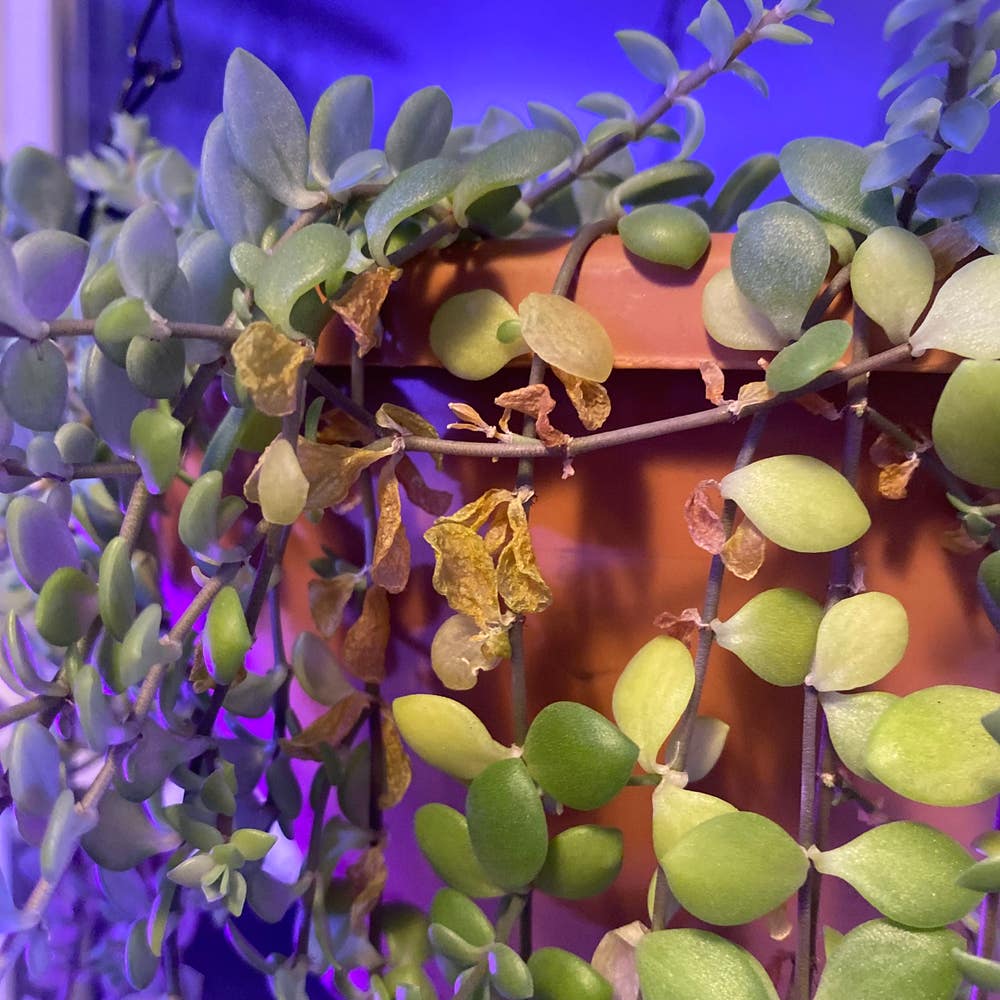
Yellowing leaves on your Lipstick Plant might scream "I'm thirsty!" but hold that watering can! Yellowing is a classic distress signal, often a telltale sign of root rot. If your plant's leaves are more yellow than a school bus and you're catching a whiff of something foul, think 'rotten eggs', not 'fresh soil'. That stench is your plant crying out for help.
🕵️ The Root of the Problem
To confirm your suspicions, you'll need to play detective and get your hands dirty. Gently remove your plant from its pot and inspect the roots. Healthy roots are like the plant's white sneakers—clean and firm. If they're looking more like soggy, brown mush, it's time to sound the alarm. Mushy roots are the smoking gun of root rot.
🎭 Don't Judge a Plant by Its Cover
Remember, not all that glitters is gold. Surface-level symptoms can be misleading. A plant that looks sad on top might have a horror show going on underground. So, before you blame the thermostat or drafty windows, make sure the roots aren't the real party poopers.

Immediate Actions to Treat Root Rot
Upon noticing root rot, your Lipstick Plant needs you to channel your inner surgeon. Here's the battle plan:
🌱 Root Inspection and Surgery
First, gently remove the plant from its pot. Shake off the excess soil and take a good, hard look at the roots. Healthy roots are firm and white, while rotten ones are mushy and brown. Grab sterilized scissors and cut away the bad parts. It's like giving your plant a haircut, only you're saving its life.
🧼 Disinfection and Drying
After the amputation, it's time to disinfect. A copper-based fungicide is your go-to here. Think of it as an antiseptic for your plant's wounds. Once you've applied it, let the roots air out and dry. This is crucial; you want to stop the rot from spreading its vile presence.
💊 Fungicidal Backup
While not always necessary, a fungicide can be the cavalry that comes to the rescue. Products like mancozeb or chlorothalonil might sound like they belong in a science lab, but they're your allies in this fight. Follow the label instructions to the letter—no room for mavericks here.
👀 Monitor Like a Hawk
After these immediate actions, keep a watchful eye on your plant. It's not out of the woods yet. Adjust your watering habits, ensuring the soil dries out between drinks. Overwatering is the enemy. Remember, you're not just a plant owner; you're a plant guardian.

Repotting and Soil Management
When your Lipstick Plant starts to feel like a sardine in a tin, it's time to repot. Choose a pot that's a smidge larger than the current one—think "room to grow" but not "lost in space."
🌱 The Right Soil Mix
Well-draining soil is your plant's best friend. Mix in some coco coir, perlite, or vermiculite to keep things airy. Your plant's roots need to breathe, not swim.
🛠 Step-by-Step Repotting Guide
- Gather Your Gear: New pot, drainage material, and your soil concoction.
- Out with the Old: Gently remove the plant from its current pot. Whisper apologies for the disturbance.
- Root Check: Trim any rotten or dead roots. It's like a bad haircut, necessary but regrettable.
- In with the New: Partially fill the new pot with your soil mix. Place the plant in and top up with more soil. Tamp it down like you're patting a baby's back.
- Water Wisely: Give it a drink to settle in, but don't drown it. Think "refreshing sip," not "waterfall."
Remember, your Lipstick Plant isn't seeking a thrill with this move. It's all about stability and room to stretch its roots.

Watering Practices to Prevent Root Rot
💧 Establishing a Balanced Watering Routine
Consistency is your plant's best friend when it comes to watering. Forget the calendar; your Lipstick Plant doesn't care if it's Monday or Thursday. It craves a drink only when its soil starts feeling like a dry martini – partially dry. To nail this routine, water when the top inch of the soil feels dry to the touch. This method encourages roots to grow deep and strong, making them less susceptible to rot.
💦 Tips for Determining When to Water
Here's a pro tip: your finger is the most cost-effective moisture meter. Dig it into the soil up to your first knuckle. If it comes out clean, it's time to water. If there's soil sticking to your skin, hold off on the H2O. And remember, when you do water, it's like pouring a Scotch – neat and not too much. Let the water run through the drainage holes, but don't let the pot sit in a puddle. That's just asking for trouble. If you're the type to forget, consider setting a reminder to check soil moisture every few days. It's better than setting up a plant funeral because you loved it to death with water.
Monitoring and Long-Term Prevention
🌱 Regular Root and Soil Checks
Vigilance is your plant's best ally. Make it a habit to inspect the roots and soil of your Lipstick Plant periodically. Look for early signs of distress, such as discoloration or a musty smell, which could indicate the onset of root rot. This proactive approach is like being a plant detective, always on the lookout for clues of trouble.
🛠️ Adjusting Care Based on Plant Recovery
As your Lipstick Plant recovers, it's crucial to tailor your care routine. If the plant shows signs of improvement, such as new growth or vibrant leaves, you're on the right track. However, any regression means it's time to reassess. Adjust watering, sunlight, and fertilizer accordingly. It's like tuning an instrument—too tight and the strings snap, too loose and the music falls flat.
🌱 Soil and Fertilizer Checks
Ensure your soil remains well-draining and nutrient-rich. Think of fertilizer as a wellness supplement; use it judiciously to avoid overfeeding, which can be just as detrimental as neglect. It's a balancing act, like making the perfect cup of tea—neither too strong nor too weak.
🍂 Seasonal Adjustments
Like us, plants feel the changing seasons. Less water may be needed in winter, while summer might call for more shade. It's about syncing with the rhythm of nature, providing your plant with what it needs to thrive in the current climate.
🛡️ Proactive Measures
Stay ahead of the game by keeping an eye out for pests or diseases. Quick action here can prevent a full-blown infestation or disease outbreak. It's like catching a cold early—you can nip it in the bud before it becomes pneumonia.
📝 Tracking Changes
Keep a log of your plant's condition and the care you provide. This isn't just busywork; it's a valuable tool that helps you understand your plant's unique needs and how it responds to different care strategies. It's the roadmap to your plant's happiness.
⚠️ Safety First
This content is for general information and may contain errors, omissions, or outdated details. It is not medical, veterinary advice, or an endorsement of therapeutic claims.
Always consult a qualified healthcare professional before using any plant as food, medicine, or supplement.
Never eat any plant (or feed one to pets) without confirming its identity with at least two trusted sources.
If you suspect poisoning, call Poison Control (800) 222-1222, the Pet Poison Helpline (800) 213-6680, or your local emergency service immediately.
Spotted an error? Please report it here.
Ensure your Lipstick Plant bounces back from root rot by snipping the soggy setbacks ✂️, and partner with Greg for a watering routine that's just right.