💄 Why Is My Lipstick Plant Dropping Leaves?
Aeschynanthus radicans
By the Greg Editorial Team
Jun 15, 2024•8 min read
This article was created with the help of AI so we can cover more plants for you. May contain errors. See one? Report it here.
Halt your Lipstick Plant's 🌿 leaf loss and revive its vibrancy with must-know care secrets.
- Leaf drop signals distress, excessive loss requires intervention.
- 🌱 Balance water, light, and temperature to maintain plant health.
- Monitor for pests/diseases, treat with insecticidal soap or neem oil.
Diagnosing Leaf Drop in Lipstick Plants
Identifying signs of distress related to leaf dropping is crucial. When your Lipstick Plant starts shedding leaves more than usual, it's a red flag.
🕵️ Spotting the Symptoms
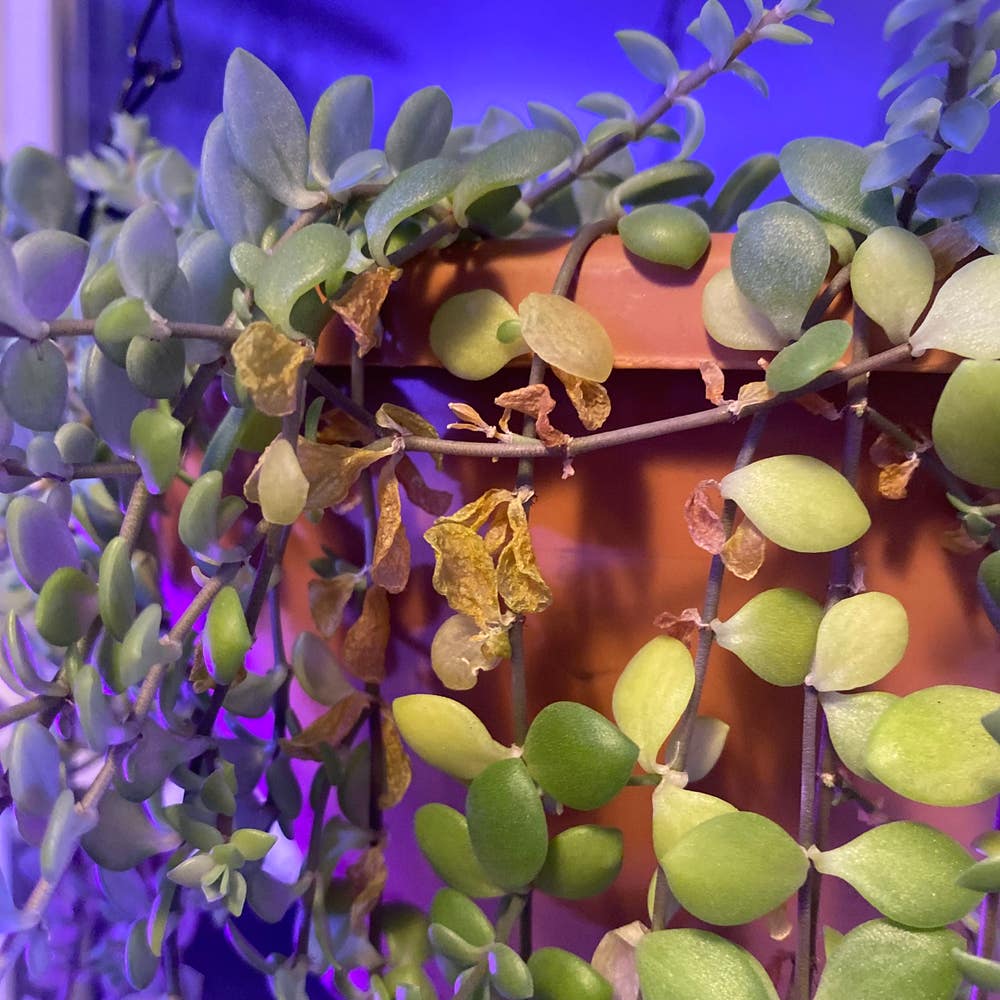
Yellowing leaves can signal overwatering or nutrient deficiencies. Wilting leaves? Too much heat. Dark, mushy spots? That's cold stress talking.
🍂 Natural vs. Problematic Leaf Loss
Leaf loss isn't always a crisis. It's normal for plants to drop old leaves to make room for new growth. But if your plant is looking more bald than a monk, it's time to pay attention.
🌱 The Soil Check
Dense or sandy soil can be the silent killer of your plant's vibe. Ensure the soil is just right – not too clingy, not too aloof.
🐛 Pests and Diseases: The Sneaky Culprits
Sticky residue or discolored leaves? Pests might be throwing a party. Time to crash it with neem oil or insecticidal soap.
👀 Monitoring and Maintenance
Keep an eye out for the usual suspects: spider mites, aphids, and fungal pathogens. Regular check-ups under leaves and near stems are non-negotiable.
Remember, your plant's health is a puzzle, and you're the sleuth. Every leaf dropped is a clue.

Watering Practices to Prevent Leaf Drop
Balancing soil moisture is crucial to prevent your Lipstick Plant from becoming a botanical drama queen. Too much water, and it's like throwing a pool party with no lifeguard on duty—hello, root rot and leaf drop. Too little, and you're leaving your plant in a desert with no oasis in sight.
🌡️ Assessing Soil Moisture
Feel the soil before you water—like checking the oven before you bake. The top inch should be dry to the touch. If it's damp, your plant doesn't need a drink yet. Overeager watering is a one-way ticket to Soggy Roots Central.
💧 Watering Frequency
Adjust for the seasons—your plant's thirst isn't static. It's more like your need for coffee; some days you need an extra cup, some days you're good with just one. Keep an eye on the environment; when it's hot and dry, your plant will be reaching for the water bottle more often.
🚿 Techniques for Watering
Use a watering can with a long spout to target the soil directly. It's like a precision airstrike on thirst, avoiding collateral damage on the leaves that could lead to fungal infections. And always ensure your pot has drainage holes—no one likes wet feet, especially not your plants.
🩺 Monitoring Plant Health
Regular check-ups are the secret sauce to a thriving Lipstick Plant. Just like you'd notice your dog acting weird before it gets sick, watch your plant for signs of distress. Droopy leaves can signal dehydration, while yellowing might mean you're overdoing the hydration.
🔄 Optimizing Watering Practices
If you're the forgetful type, consider a self-watering pot. It's like having a plant nanny, ensuring a steady supply of water without the risk of overindulgence. And if you're the hands-on type, stick your finger in the soil—it's the old-school moisture meter.
Remember, watering your Lipstick Plant is less about sticking to a rigid schedule and more about understanding its needs. It's not high maintenance; it just requires the right amount of TLC.

Light Requirements to Maintain Healthy Foliage
💡 Determining Optimal Light Conditions
Bright, indirect light is the sweet spot for Lipstick Plants. Direct sunlight can cause leaves to fry like an egg on a summer sidewalk, while low light leaves them languishing. Aim for a location that bathes your plant in gentle light without the harshness of midday rays.
💫 Adjusting Plant Location for Ideal Exposure
If your Lipstick Plant could talk, it'd beg for a spot near an east or west-facing window, where the light is like a soft morning hug. Rotate the plant regularly to ensure all sides receive equal love from the sun. Notice leggy growth or smaller leaves? It's your plant's way of saying, "Move me closer to that sweet sunshine, please."
🌦️ Seasonal Light Adjustments
As seasons shift, so should your plant's position. Shorter days in fall and winter might call for a closer spot to the window. But remember, it's a dance, not a drag race—move your plant gradually to avoid a botanical shock.
👀 Monitoring and Responding to Light Changes
Keep an eye out for signs of distress. Leaves turning into crispy critters? Too much light. Stretched out and pale? Not enough. Adjust your plant's position like a DJ fine-tuning a track until the vibe is just right.
🌱 Light Intensity and Plant Health
A light meter can be your best friend, but your eyes are the real MVPs. Healthy, deep green leaves are your plant's way of giving you a thumbs up. If it's thriving, don't fix what isn't broken. But if you see signs of trouble, it's time to Sherlock Holmes your way to a better spot with optimal light.

Temperature and Humidity Factors
🌡️ Ideal Temperature and Humidity Range
65 to 75 degrees Fahrenheit—that's the sweet spot for your Lipstick Plant. Anything below 50 is a no-go zone. Think tropical, not arctic. As for humidity, these plants are humidity hogs. They crave that moist air like a sponge.
🛡️ Stabilizing Your Plant's Environment
Misting is your plant's best friend, a quick spritz regularly keeps the air moist. But don't turn your living room into a rainforest; balance is key. Thermometers and hygrometers are your allies, silently standing guard to ensure conditions stay stable.
🚫 Avoiding Temperature Shock
Drafts are the enemy. They're like that friend who can't decide if they're hot or cold, constantly messing with the thermostat. Keep your plant away from windows that are opened often or air conditioning vents. Remember, consistency is king.
💧 Humidity Control Tactics
If misting isn't cutting it, try a pebble tray or a humidifier. They're like creating a mini oasis for your plant. And when winter hits, don't let the indoor heat dry out the air—keep that humidifier humming.
🌬️ Seasonal Adjustments
Your plant doesn't need a calendar to know the seasons are changing; it feels it. When it's hotter, water a bit more, but don't get overzealous. In cooler times, ease up on the watering can. And always, lukewarm water—no ice baths or hot tubs for this green beauty.
Addressing Leaf Drop Due to Pests or Diseases
🕵️ Identifying the Culprits
Pests such as spider mites and aphids, along with fungal pathogens, are often the masterminds behind leaf drop. These tiny terrorists can cause significant damage, leaving your Lipstick Plant's leaves falling like dominoes. Look for telltale signs: sticky residue, discolored leaves, or a plant that just looks defeated.
💣 Treatment Tactics
For pests, insecticidal soap or neem oil are your go-to weapons. They're like the bouncers at the club, keeping the riff-raff out. Apply with vigilance, ensuring you hit all the nooks and crannies where pests love to lurk. For fungal foes, increase airflow and keep the foliage dry. Prune affected areas to prevent the spore spread, disposing of the trimmings like a secret agent disposing of evidence.
🐞 The Role of Beneficial Bugs
Don't overlook the power of nature's own hit squad. Introducing beneficial insects such as ladybugs can help manage aphids. It's outsourcing pest control to Mother Nature's finest.
🕵️ Monitoring and Maintenance
Regular check-ups are crucial. Inspect under leaves and near stems for any signs of unwanted guests. A stressed plant is a beacon for trouble, so maintain a happy plant with proper care to reduce the likelihood of leaf drop. Remember, prevention is better than cure, so keep those leaves dry and ensure good drainage to avoid bacterial block parties.
Reviving a Lipstick Plant After Leaf Drop
🌱 Immediate Steps
After a Lipstick Plant has suffered leaf drop, prompt action is crucial. Begin by trimming any dead or damaged foliage. Use clean, sharp scissors to avoid further stress on the plant. This not only tidies up the appearance but also redirects energy to healthier parts.
☀️ Encouraging New Growth
Light is a best friend for recovery. Position your plant in a spot with bright, indirect sunlight. Overexposure to direct sun can be harmful, so find that sweet spot.
💧 Watering Technique
Water your Lipstick Plant when the top inch of soil feels dry. Consistency is key; erratic watering can trigger further leaf drop. If you've been underwatering, consider soak-watering to rehydrate the soil evenly.
🌡️ Humidity & Temperature
Maintain a humid environment and stable temperatures to mimic the plant's natural habitat. A pebble tray or humidifier can work wonders. Avoid drafts and sudden temperature changes.
🌿 Fertilization
Once your plant shows signs of recovery, fertilize it with a diluted liquid fertilizer to boost growth. However, don't overdo it—too much fertilizer can harm the weakened plant.
🌱 Propagation: Plan B
If recovery seems unlikely, take stem cuttings for propagation. This can ensure the survival of the plant's genetics, even if the original plant is lost. Root cuttings in water or soil, providing warmth and indirect light.
⏳ Patience is a Virtue
Finally, patience is essential. Plants take time to heal and regrow. Keep a close eye on your Lipstick Plant, adjust care as needed, and wait for nature to do its magic.
⚠️ Safety First
This content is for general information and may contain errors, omissions, or outdated details. It is not medical, veterinary advice, or an endorsement of therapeutic claims.
Always consult a qualified healthcare professional before using any plant as food, medicine, or supplement.
Never eat any plant (or feed one to pets) without confirming its identity with at least two trusted sources.
If you suspect poisoning, call Poison Control (800) 222-1222, the Pet Poison Helpline (800) 213-6680, or your local emergency service immediately.
Spotted an error? Please report it here.
Prevent unwanted leaf drop 🍂 in your Lipstick Plant by letting Greg tailor your watering and care schedule to keep it thriving through every season.