🐛 What To Do About Bugs on My Lipstick Plant?
Aeschynanthus radicans
By the Greg Editorial Team
Jun 15, 2024•9 min read
This article was created with the help of AI so we can cover more plants for you. May contain errors. See one? Report it here.
Protect your Lipstick Plant 🌺 from pesky bugs with our essential pest management tips!
- Spider mites and scale are common pests; look for webbing and sticky leaves.
- Neem oil and insecticidal soaps effectively treat spider mites and scale.
- Integrated Pest Management (IPM) combines treatments for effective control.
Identifying Common Pests on Lipstick Plants
🕷️ Spider Mites: The Sneaky Sap-Suckers
Spider mites are tiny, but their impact is anything but. Look for fine webbing on your Lipstick Plant; it's a red flag. These pests drain the life from your plant, leaving behind yellowed, dropping leaves. They're like vampires, but for sap, multiplying at a rate that would make any horror movie villain envious.
🛡️ Scale Insects: Sticky Trouble
Scale insects are masters of disguise, masquerading as harmless bumps on your plant's stems and leaves. They cling on and suck the sap, weakening your Lipstick Plant. You'll know them by their shield-like coverings and the sticky honeydew they leave behind, which can lead to sooty mold. Not exactly the kind of scale you want to balance.
Quick Tips for Spotting Pests
- Inspect regularly: Every watering is a chance to play plant detective.
- Look for stickiness: It's a telltale sign of sap-sucking pests.
- Check for webbing: Spider mites are the culprits.
- Watch for bumps: Scale insects often feel like part of the plant.
- Yellow leaves: Could signal an unwanted guest.
- Be proactive: Use neem oil as a natural defense.
Remember, if you see one bug, there's a party you weren't invited to happening on your plant. Time to crash it.

Tackling Spider Mite Infestations
🕷️ Effective Remedies for Spider Mites
Neem oil is the eco-warrior's choice against spider mites. Spray with gusto, targeting the undersides of leaves where these pests party. Insecticidal soaps also crash their bash, especially when applied thoroughly. For those who don't mess around, miticides are the heavy artillery. Use them as a last resort and follow the label like it's the holy grail of plant care.
🛡️ Preventative Measures Specific to Spider Mites
Isolation is key; quarantine new plants faster than a suspicious rash at summer camp. Humidity is your ally—spider mites despise a steamy environment. Wipe those leaves down like you're prepping for surgery; cleanliness is next to mite-less-ness. And remember, stressed plants attract trouble, so keep your Lipstick Plant happier than a cat in a sunbeam with consistent watering and care.

Combating Scale on Lipstick Plants
🛡️ Treatment Options for Scale
Early detection is key when battling scale insects on your Lipstick Plant. If you spot these tiny, shield-shaped critters, it's time to act fast. Horticultural oil sprays are a go-to remedy; they smother the pests by blocking their airways. For a more hands-on approach, rubbing alcohol on a cotton swab can be used to wipe them out individually. This method is especially effective for light infestations. Remember, these buggers are tough, with a waxy armor that laughs in the face of many insecticides.
🛡️ Prevention Strategies Tailored to Scale Insects
Preventing scale from setting up camp on your Lipstick Plant requires a mix of vigilance and good practices. Regular leaf inspections are non-negotiable—catching these pests early can save you a world of hassle. Keep your plant healthy; a stressed plant is like a neon vacancy sign for scale. Avoid overwatering and provide adequate light; this isn't just good for the plant, it's bad news for scale. Consider introducing beneficial insects, like ladybugs, that fancy scale insects as a snack. Lastly, if you're using potting mix or tools that have been near infested plants, clean them thoroughly to prevent cross-contamination.
Remember, scale might look like a harmless bump on a log, but these critters are sap-sucking menaces. Stay sharp, and your Lipstick Plant will thank you.

Managing Fungus Gnats and Fruit Flies
🦟 Solutions for Controlling Fungus Gnats and Fruit Flies
Yellow sticky traps are the unsung heroes in the fight against these winged menaces. They're simple yet brutally effective. For the DIY enthusiast, a hydrogen peroxide solution (1 part hydrogen peroxide to 4 parts water) can be a plant-safe insecticide, while horticultural sand on the soil surface acts like a tiny barbed wire fence against larvae.
🚫 Preventative Practices to Deter These Pests
Let's talk about watering habits. Overwatering is like throwing a pool party for gnats—don't do it. Allow the soil to dry between waterings to spoil their fun. Ensure your potting mix is more like a desert than a swamp for optimal drainage. Cleanliness is next to gnatlessness, so keep those plants and pots tidy. And when bringing home new green friends, inspect them like a hawk to prevent an undercover gnat invasion.
Eradicating Mealybugs from Lipstick Plants
👀 Spotting the Enemy
Mealybugs look like tiny cotton squatters, setting up camp on your Lipstick Plant. Check for white, fuzzy spots on leaves and stems.
⚔️ Initial Combat Tactics
Prune the affected areas with sterilized shears—mealybugs won't pack up easily. Isolate the plant to prevent a full-blown infestation party.
🍸 Alcohol Swabbing
Grab a cotton swab, dip it in rubbing alcohol, and show those bugs a bad time. Repeat every few days to crash their lifecycle.
🌿 Neem Oil: The Natural Nemesis
A neem oil solution not only evicts mealybugs but also gives your plant a glossy makeover. Spray thoroughly, covering all plant surfaces.
🌱 Soil Swap
If mealybugs are bunking in the soil, it's time for an eviction. Change the soil and wash the roots to disrupt their underground rave.
🐞 Call in the Cavalry
Introduce predatory insects like lacewings or ladybugs. These bug battlers will munch mealybugs for breakfast, lunch, and dinner.
🧼 Soap Them Up
When the going gets tough, the tough get soapy. Insecticidal soap can be a plant's best friend—spray as a last resort and follow the label.
🛡️ Prevention: The Best Medicine
Inspect your plants weekly. Catching these pests early means less chemical warfare and more peace for your Lipstick Plant.
🚫 When All Else Fails
If you're at your wit's end, and the mealybugs are winning, sometimes it's best to sacrifice the plant. Better one than all, right?
Addressing Other Pests
🦟 Aphids and Whiteflies: The Sneaky Sap-Suckers
Aphids and whiteflies are like the vampires of the plant world, stealthily sucking the life out of your Lipstick Plant. Check the undersides of leaves for these tiny, sap-sucking pests. Aphids are often green, but can come in a variety of shades, while whiteflies resemble a tiny white moth when disturbed.
Spotting the Suckers
Aphids group en masse, while whiteflies flutter up in a cloud when you rustle the leaves. Look for sticky honeydew or sooty mold as telltale signs of their presence.
Prevention: Your First Line of Defense
Preventing these pests is like avoiding spoilers for your favorite show; it requires constant vigilance. Introduce beneficial insects, like ladybugs, to keep aphids in check. For whiteflies, yellow sticky traps work like a charm, luring them to a sticky demise.
Keep It Clean
Regularly wipe down leaves to prevent dust buildup that can attract pests. A clean plant is like a fortress – less likely to be breached by unwanted invaders.
When Prevention Fails: The Counterattack
If you spot these critters, it's time to channel your inner warrior. A strong blast of water can dislodge aphids. For whiteflies, insecticidal soaps or neem oil can be effective. Remember, spot treat affected areas to avoid a full-scale chemical assault on your plant.
Chemical Warfare
If you must resort to chemicals, choose your weapons wisely. Read labels carefully and ensure you're not causing collateral damage to beneficial insects or your own health.
The Bottom Line
Aphids and whiteflies may not be the most notorious pests, but left unchecked, they can wreak havoc. Keep a watchful eye and act swiftly at the first sign of trouble. Your Lipstick Plant will thank you.
Specific Damage and Plant Health
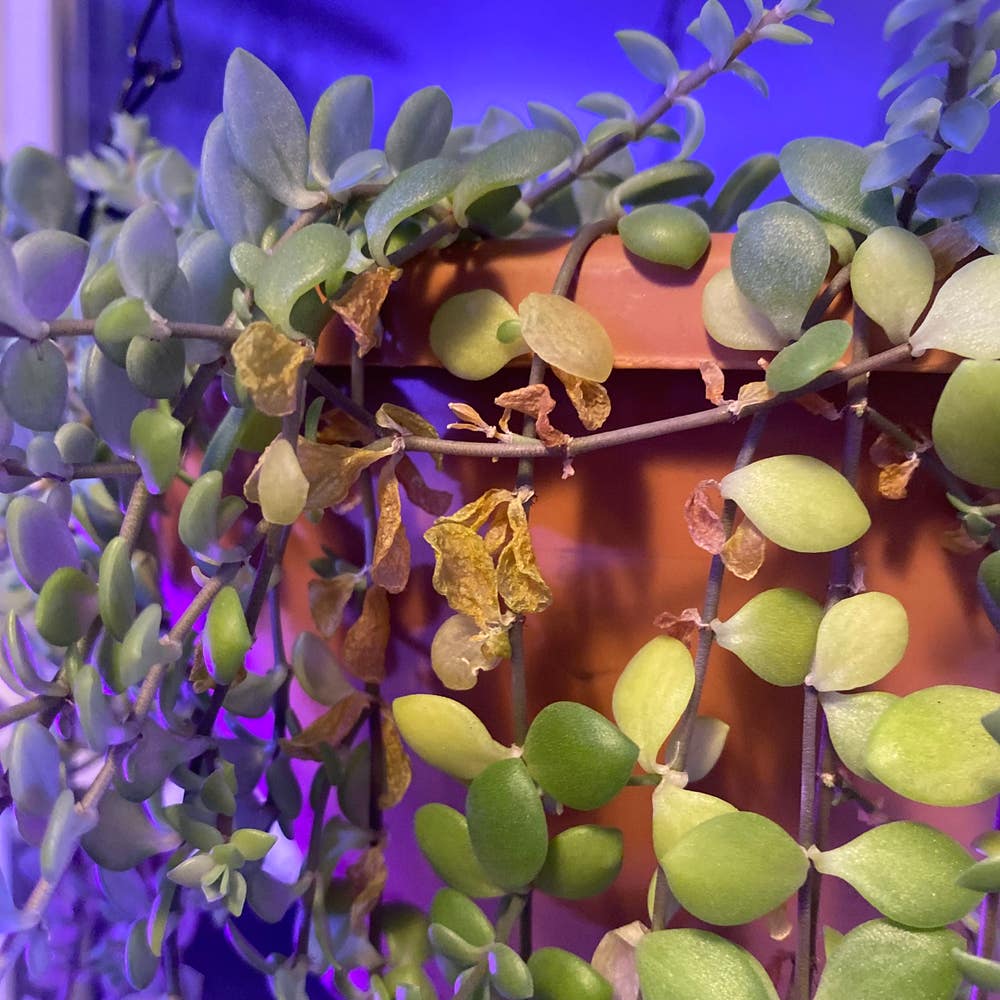
Identifying the damage pests inflict on Lipstick Plants is crucial for the plant's survival. Spider mites, for instance, leave behind fine webs and stippled leaves, a clear sign of their sap-sucking habits. Scale insects are stealthier, masquerading as bumps on stems and leaves while they drain the plant's vitality, leading to yellowing foliage and stunted growth.
🔍 Early detection is your plant's best defense. Mealybugs, with their cotton-like cocoons, can quickly colonize, causing leaves to yellow and drop. Fungus gnats and fruit flies, though less harmful to mature plants, can decimate seedlings and propagate fungal diseases.
Aphids are tiny but mighty; their feeding can distort leaves and stunt flower growth. Whiteflies sap nutrients, leading to pale leaves and decreased vigor. Vigilance and prompt treatment are non-negotiable; a plant's decline from pest damage can be a slippery slope to the compost bin.
🌱 Environmental stress can compound pest damage. Overwatering invites root rot, while under-watering stresses the plant, making it more susceptible to infestations. Ensuring optimal lighting and temperature conditions fortifies your Lipstick Plant against both pests and disease.
Remember, the goal is a thriving plant, not just a surviving one. Keep a watchful eye, and act swiftly at the first sign of trouble.
Integrated Pest Management Strategies
In the battle against pests on your Lipstick Plant, Integrated Pest Management (IPM) is like assembling a diverse team of superheroes, each with their own special powers to keep the villains at bay. It's about striking that sweet spot between being eco-conscious and keeping those pesky bugs in check.
🌿 Combining Organic and Chemical Treatments
Organic methods are your first line of defense. Think of them as the stealthy ninjas of pest control—non-toxic and sneaky effective. Essential oils, insecticidal soaps, and neem oil are like secret weapons that pests just can't handle. They're particularly handy when you're dealing with the early stages of an invasion or for maintenance in a low-key infestation scenario.
But sometimes, the organic approach needs a sidekick. That's where chemical treatments come in—like the heavy artillery. They pack a punch but should be used sparingly, as the last resort. Remember, it's about balance. Don't go all Rambo with the chemicals; use them judiciously to avoid resistance and collateral damage to beneficial insects or the environment.
🐞 Beneficial Insects and Environmental Controls
Now, let's talk about the unsung heroes: beneficial insects. These are the allies you want in your garden. Ladybugs, lacewings, and predatory mites are like the guardians of your Lipstick Plant, munching on the bad guys like they're at an all-you-can-eat buffet.
Environmental controls are the tactical strategies that set the stage for victory. They're about manipulating the conditions to make life tough for pests. This includes proper watering, airflow, and temperature control, which can prevent infestations from even starting. It's like having a fortress with walls too high for the invaders to scale.
👀 The Role of Monitoring
Don't forget the power of vigilance. Regular monitoring is like having a surveillance system in place. It's about catching those critters red-handed before they can do real damage. Spotting the early signs of trouble means you can act fast and keep your Lipstick Plant looking as luscious as ever.
In short, IPM is your comprehensive game plan. It's about using all the tools at your disposal, from the gentlest to the most potent, to protect your precious Lipstick Plant. It's smart, it's strategic, and it's the way to keep those bugs guessing.
⚠️ Safety First
This content is for general information and may contain errors, omissions, or outdated details. It is not medical, veterinary advice, or an endorsement of therapeutic claims.
Always consult a qualified healthcare professional before using any plant as food, medicine, or supplement.
Never eat any plant (or feed one to pets) without confirming its identity with at least two trusted sources.
If you suspect poisoning, call Poison Control (800) 222-1222, the Pet Poison Helpline (800) 213-6680, or your local emergency service immediately.
Spotted an error? Please report it here.
Eradicate pests and protect your Lipstick Plant with precision 🎯 using Greg's tailored care reminders for early detection and a thriving, bug-free greenery.