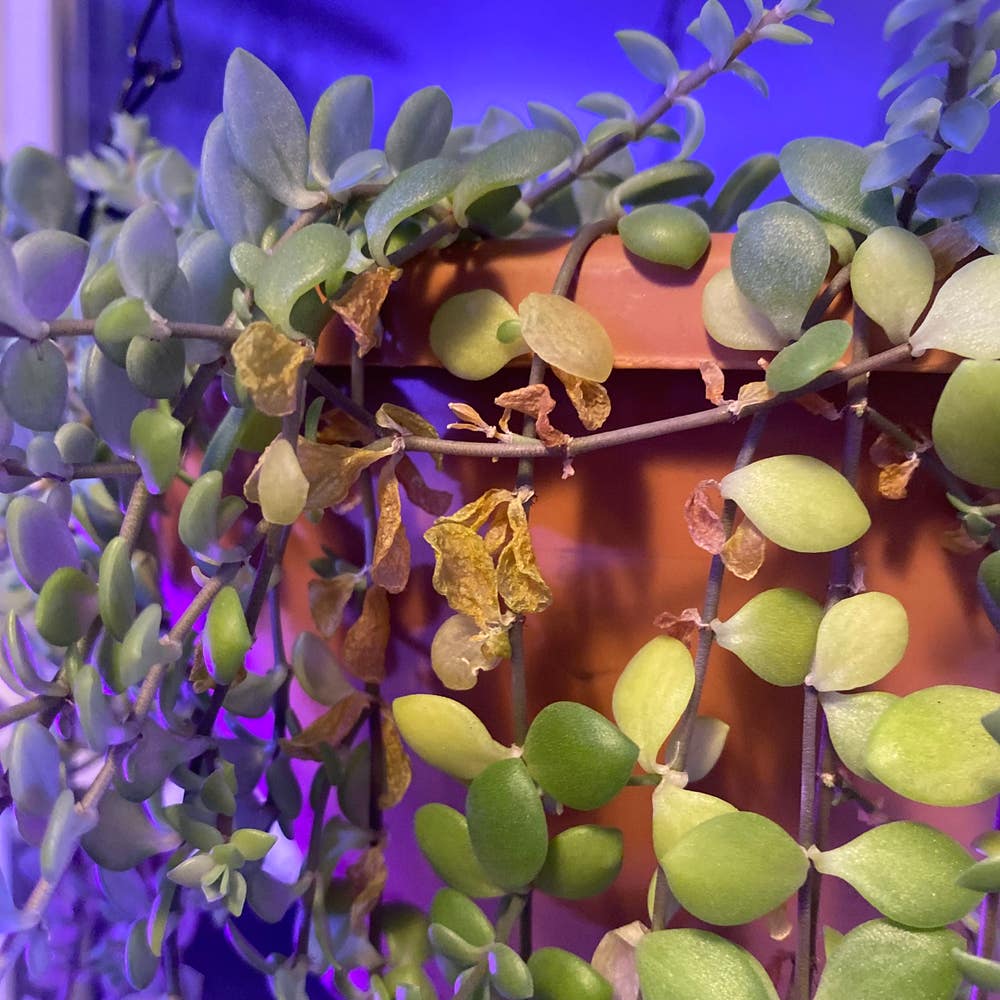
Common Lipstick Plant Problems
Aeschynanthus radicans
By the Greg Editorial Team
Jun 15, 2024•11 min read
This article was created with the help of AI so we can cover more plants for you. May contain errors. See one? Report it here.
Nurture a thriving Lipstick Plant 🌺 by tackling its common woes with our expert care guide.
- Wilting, yellowing, stunted growth signal Lipstick Plant distress.
- Consistent watering, light, temperature are crucial for plant health.
- Inspect for pests, diseases, root rot and act promptly to treat.
Signs of Distress in Lipstick Plant
Wilting, yellowing leaves, and stunted growth are the triple threats to your Lipstick Plant's mojo. Let's decode these distress signals.
💧 Wilting Leaves: Thirsty or Toasty?
When leaves droop, it's not a lazy day—it's a cry for help. Too hot, and your plant's leaves sag like they've given up on life. Check the temperature; your green buddy might be baking.
💛 Yellowing Leaves: The Color of Caution
Yellow leaves are the plant's version of waving a yellow flag. Overwatering could be drowning its roots, while a lack of nutrients leaves it famished. Time to reassess your watering routine and maybe throw in a snack (fertilizer).
📉 Stunted Growth: Not Just a Phase
If your plant's growth hits a wall, it's not slacking off—it's stressed out. It could be a sign of root rot or a silent scream for better care.
🍂 Leaf Texture: A Rough Patch
Leaves that change texture or color are throwing shade about their living conditions. Curling up or spotting? It's time to play detective with temperature and fungal foes.
🔄 Unusual Growth Patterns: A Lopsided Tale
A plant growing more to one side than the other isn't trying to be quirky. It's likely a sign of uneven light or temperature exposure. Time to rotate and reassess its spot in your home.
🏜️ Dry or Brown Leaf Margins: The Fringe of Frustration
When the edges of your plant's leaves look like they've been through a desert, it's a subtle hint that the temperature's off.
🐛 Pests and Diseases: Uninvited Guests
Aphids, mealybugs, and mites are the party crashers. And don't get started on fungal foes like Botrytis blight and leaf spot. Keep those leaves dry and the air moving to avoid moldy mishaps.
🍂 Shedding Leaves: Not Just Fall Fashion
Leaves dropping faster than autumn leaves in a windstorm? It's not trying to be seasonal—it's a sign that your plant is not in its happy place.
Remember, your Lipstick Plant isn't high maintenance—it's just highly communicative. Listen to what it's telling you, and you'll be on track to restore its vibrant flair.

Watering Woes: Over and Under-Watering
💧 Recognizing the Symptoms
Over-watering can turn your Lipstick Plant's life into a soggy mess. Look out for limp stems and yellowing leaves. If the soil feels like a wet sponge several days post-watering, you're overdoing it. On the flip side, under-watering leaves your plant looking droopy and thirstier than a marathon runner without a water station. The soil will be bone dry, and growth will be as stunted as a bonsai tree.
🚰 Resolving Inconsistent Watering
First, ditch the calendar-based watering. Your plant doesn't care if it's Monday or Friday; it just wants a drink when it's thirsty. Stick a finger in the soil; if it's dry a couple of inches down, it's time to water. When you do, make it count—water thoroughly, letting excess drain away to prevent root rot.
💡 Pro Tips
For those who love a bit too much, let the topsoil dry out before going in with the watering can again. If you're the forgetful type, consider a self-watering pot to keep things steady. And always use room-temperature water—no one likes a cold shower, plants included.
🌞 Adjusting Watering Habits
As seasons change, so should your watering habits. Less is more during the winter months. If you're still unsure, research specific symptoms or consider a moisture meter. It's like a fitness tracker for your plant, giving you the lowdown on when it's time to hydrate.
Remember, overwatering is the silent killer in the plant world, but under-watering is its sneaky accomplice. Keep a watchful eye, adjust as needed, and your Lipstick Plant will thank you with vibrant growth.

Light Issues: Finding the Sweet Spot
💡 Identifying Light-Related Stress
Yellowing leaves or stunted growth? Your Lipstick Plant might be crying out for better lighting. Too much sun leads to a crispy demise, while too little leaves it languishing in the shadows.
💡 Adjusting Light Conditions
Move your plant to a bright spot with no direct sun. Think of it as a cozy nook where it can bask without baking. Rotate your plant regularly to ensure all sides receive equal love from the light.
💡 Acclimating to New Light
When changing your plant's spot, do it gradually. Sudden shifts are the equivalent of a cold plunge for your green friend. Ease it into its new home to prevent a full-blown plant panic.
💡 Artificial Light: A Plan B
If your space is more cave than conservatory, grow lights can be a lifesaver. They're like a personal sun for your plant, minus the risk of sunburn.
💡 The Balancing Act
Keep a vigilant eye on your plant. If it starts to stretch like it's reaching for something just out of grasp, it's time to reassess its placement. It's not just about surviving; it's about thriving.

Temperature Fluctuations and Plant Stress
Temperature swings are the silent stressors of the plant world, disrupting metabolic processes and throwing your Lipstick Plant into disarray. Leaf drop and stunted growth are tell-tale signs that your plant is not vibing with the current vibe of your home's climate.
🌡️ Keep It Steady
Invest in a reliable thermostat to maintain a consistent temperature, ideally between 60-85°F (15-29°C). This is not the tropics, nor the tundra; it's your living room, and your plant needs to feel that stability.
💨 Drafts and Radiators: Frenemies of Your Foliage
Drafty spots and direct heat sources are like that flaky friend who can never decide if they're coming or going. Keep your plant away from these areas to prevent the leaf shedding equivalent of a bad haircut.
🧤 Insulate with Intent
When Jack Frost comes knocking, don't just layer up yourself. Wrap your plant in a bubble wrap hug or a cloche cap to protect it from the chill. It's like giving your plant its own personal igloo.
👀 Vigilance is Key
Stay alert for signs of temperature distress. If your plant starts looking more wilted than a salad in the sun, it's time to reassess its living situation. Remember, a happy plant is a stable plant.
Battling Pests and Diseases
Lipstick Plants, with their cascading vines and vibrant blooms, are not just pretty faces—they're tough. But even the hardiest plants have their Achilles' heel. Here's how to keep your Lipstick Plant in fighting shape against the sneaky critters and silent diseases that love to crash the party.
🐛 Common Pests
Aphids, mealybugs, and mites are the usual suspects when it comes to pests. They're like the uninvited guests who show up and refuse to leave. If you spot these pests, don't panic. A good blast from a water spray can knock them off their feet. For a more targeted approach, horticultural oils are your go-to weapon. They're like the bouncers of the plant care world—effective and no-nonsense.
🍄 Fungal Foes
Overwatering is like sending out a VIP invite to fungi. They'll take root and throw a party at your plant's expense. Leaf spot is a telltale sign that fungi have moved in. To evict them, adjust your watering habits—make it a habit, not a hobby. If you've already got unwanted fungal guests, consider a fungicide, but always as a last resort. Prevention is better than cure, after all.
🕵️ The Stealthy Root Rot
Root rot is the silent killer, lurking beneath the soil. It's a backstabber, often going unnoticed until it's too late. If you suspect root rot, it's time for some plant surgery. Remove the plant, trim the rotten roots, and repot in fresh, well-draining soil. Think of it as a reset button for your plant's health.
👀 Vigilance is Key
Regular inspections are non-negotiable. Keep an eye out for any changes in your plant's appearance. Spots, discoloration, or a general look of "I've seen better days" are your cues to act. Remember, the earlier you catch these issues, the better your chances of saving your green buddy.
Armed with this knowledge, you're now a pest and disease warrior for your Lipstick Plant. Go forth and protect!
The Scorch of the Sun: Preventing Leaf Scorch
In the dance of sunlight and shade, the Lipstick Plant prefers the rhythm of indirect light. Direct sun exposure can lead to leaf scorch, where foliage sports unsightly brown, crispy patches. This is the plant's distress flare, demanding a change in its sunbathing habits.
🚨 Recognizing the Signs
Crispy edges and bleach spots on your Lipstick Plant's leaves are a clear SOS. These symptoms indicate an excess of sunlight, akin to a plant version of a sunburn.
🚀 Immediate Action
Upon spotting the first signs of scorch, it's time for a swift relocation. Move the plant to a place with filtered light, perhaps behind a sheer curtain, away from the sun's harsh midday glare.
🛡️ Long-Term Prevention
To prevent future episodes, consider the plant's placement carefully. A spot with bright, but indirect light, is ideal. If natural light is lacking, grow lights can offer a controlled alternative.
🌬️ Environmental Factors
Wind can amplify the scorching effect. Place your Lipstick Plant where it's shielded from gusty conditions. If outdoor elements are too harsh, bring the plant indoors or use a shade cloth to diffuse direct sunlight.
👁️ Monitoring and Adjustment
Keep a vigilant eye on your plant. Regularly check for signs of stress and adjust the plant's environment accordingly. Remember, it's not just about reacting to problems—it's about preventing them with proactive care.
Mold and Fungus: Keeping Foliage Healthy
Mold and fungus are the party crashers of the plant world, turning a thriving Lipstick Plant into a sad, spotty mess. Spotting the signs early is crucial: look for a white, cotton-like layer on the soil or leaves, or any unusual spotting on the foliage.
🔍 Early Detection
Yellowing leaves or brown, crisp tips aren't just a plant's bad hair day; they're distress signals. If you spot mold or mushrooms, it's time to act, not admire the unwanted garden.
🛡️ Prevention Tactics
Airflow is your ally. Keep things breezy around your Lipstick Plant to mimic its natural habitat and prevent mold from settling in. Clip dead leaves and avoid overcrowding to ensure good circulation.
💧 Watering Wisdom
Let the soil dry out between waterings. Overly damp conditions are a mold's paradise. Aim for a watering schedule that quenches your plant's thirst without leaving it waterlogged.
🌱 Soil and Sunlight
Sunlight is the best disinfectant. Ensure your potting mix is well-draining and clear away any fallen leaves or debris. If your pot lacks drainage, it's repotting time.
🍄 When Fungus Strikes
If you're past prevention and in the thick of a fungal fiesta, it's time to bring out the big guns. Fungicides can be a necessary evil, applied as soon as you spot trouble. Remember, it's about bringing balance back to your plant's life, not going chemical-crazy.
🧼 Keep It Clean
Lastly, practice good garden hygiene. Remove dead foliage and plant debris to avoid attracting disease, especially during wet weather. And hey, introducing natural predators like ladybugs can help keep your plant's ecosystem in check.
Remember, mold and fungus thrive in the shadows of neglect. Keep an eye out, and don't let them settle in.
Root Rot: The Silent Killer
Root rot in Lipstick Plants is like a stealthy intruder, often undetected until the damage is severe. Mushy roots and a distinct foul smell are telltale signs that your plant is in trouble. But with prompt action, you can turn the tide against this silent killer.
🕵️ Recognizing Root Rot
Root rot's calling card is a root system that's turned brown or black, with a texture that's too soft, akin to overcooked pasta. If the roots give under slight pressure, sounding the alarm is overdue. Yellowing leaves and a general appearance of malaise in your plant can also hint at this underground assailant.
🛠️ Strategies for Revival
Immediate Actions
- Gently remove the plant from its pot to perform a root inspection.
- Snip away the rotted roots with sterile scissors, leaving only the healthy ones.
- Treat the remaining roots with a fungicide to combat any lingering pathogens.
Prevention Tactics
- Avoid overwatering: Lipstick Plants dislike soggy feet. Ensure they have well-draining soil and pots.
- Proper drainage is crucial; standing water is an open invitation for root rot fungi.
- Monitor watering: Only water when the top inch of soil is dry to the touch.
Post-Treatment Care
- Re-pot in fresh, sterile soil to give your plant a clean slate.
- Keep a close eye on the plant's recovery, watering sparingly to avoid a relapse.
- Airflow matters; good circulation can discourage the growth of mold and fungus.
Remember, the best offense against root rot is a good defense. Regular checks and balanced care keep your Lipstick Plant healthy and root rot at bay.
⚠️ Safety First
This content is for general information and may contain errors, omissions, or outdated details. It is not medical, veterinary advice, or an endorsement of therapeutic claims.
Always consult a qualified healthcare professional before using any plant as food, medicine, or supplement.
Never eat any plant (or feed one to pets) without confirming its identity with at least two trusted sources.
If you suspect poisoning, call Poison Control (800) 222-1222, the Pet Poison Helpline (800) 213-6680, or your local emergency service immediately.
Spotted an error? Please report it here.
Banish the guesswork in caring for your Lipstick Plant and flourish 🌿 with Greg's tailored reminders for watering, lighting, and temperature, keeping your green friend lush and happy.