🌞 Is My Lipstick Plant Getting Too Much Direct Sunlight?
Aeschynanthus radicans
By the Greg Editorial Team
Jun 15, 2024•6 min read
This article was created with the help of AI so we can cover more plants for you. May contain errors. See one? Report it here.
Shield your Lipstick Plant 🌿 from sunburn and ensure vibrant growth with the right light balance! ☀️
- Bright, filtered light is best for growth and flowering, not direct sun.
- 🌞🌱 Too much sun causes damage, like scorched leaves; moderation is key.
- Rotate and acclimate gradually to prevent stress and maintain health.
The Impact of Direct Sunlight on Lipstick Plant
Direct sunlight can be a double-edged sword for the Lipstick Plant. While it craves brightness to flaunt its vibrant red blooms, too much direct exposure can lead to a tantrum rather than a bloom fest.
🌱 Growth
Direct sunlight can accelerate growth, but it's a tightrope walk. The plant enjoys a good bask but prefers not to sizzle. A sunbath that's too intense can stress the plant, causing leaves to fade or scorch.
💐 Flowering
For those year-round floral displays, the Lipstick Plant needs bright, filtered light. Overexposure can hinder its ability to flower, leaving you with a green, but grumpy, vine.
💡 Light Intensity
It's all about finding that sweet spot. Moderation is key. Think of it like a spa day—enough light to rejuvenate, but not so much that it feels like a desert trek.
🌞 Sun Stress
A little stress can bring out the best in us, and the same goes for plants. Sun stress in moderation can lead to more vibrant colors, but keep it balanced to avoid a full-blown plant meltdown.
🌡️ Temperature
Remember, the Lipstick Plant doesn't just care about light; it's also about the temperature. Keep it cozy between 65°F to 80°F, and you'll be rewarded with those signature tubular flowers.
🌿 Practical Tips
If your plant is getting too much sun, relocate it to a spot with indirect light. No need for drama; a simple move can make all the difference. And if you're feeling fancy, use sheer curtains to diffuse the light—like sunglasses for your plant.
Remember, the Lipstick Plant isn't asking for much—just a perfectly lit stage to perform its floral opera. Give it that, and it'll sing with colors.

Optimal Sunlight Conditions for Lipstick Plant
Bright, filtered light is the sweet spot for your Lipstick Plant. Direct sunlight? Not so much—it's like sending a vampire to a beach party. These plants are the divas of the indoor garden, demanding their light just so—bright enough to read a book by, but not so intense that you'd need sunscreen.
🏞️ Location, Location, Location
Think east or west-facing windows—they're the VIP lounges for these plants. Southern exposure can work too, but only if you've got something like a sheer curtain to take the edge off the sun's rays.
🕒 Timing is Everything
Morning light is like a gentle wake-up call for your Lipstick Plant. Late afternoon rays? Also acceptable. But when the sun is high and mighty, make sure your plant is chilling in the shade.
🔄 The Indirect Approach
If you're not sure about your light conditions, here's a pro tip: if your plant's leaves are getting more tan than your winter-pale skin, it's time to dial it back. No one wants a sunburned plant.
🌸 A Little Less Light, A Little More Bloom
Remember, these plants are the strong, silent types—they don't need to be in the spotlight to bloom. In fact, they prefer the bright sidelines. So, give them what they want, and they'll reward you with flowers that pop like red lipstick on a monochrome day.

Window Direction, Hemisphere, and Lipstick Plant Health
Navigating the sunlight maze for your Lipstick Plant is simpler than it seems.
🌞 Understanding Window Orientation
Window direction is crucial. A south-facing window in the Northern Hemisphere is a sun magnet. Flip that for the Southern Hemisphere—north-facing windows are your go-to.
🌍 Geographic Considerations
Your geographic location changes the game. Near the equator? Sunlight's more intense. Farther north or south? The angle of the sun's rays softens.
🌦️ Seasonal Sunlight Variations
Seasons shift, and so should your plant's position. Summer might call for a step back from the window, while winter beckons it closer.
🌿 Tailoring to Your Plant
Remember, Lipstick Plants aren't sunbathers. They prefer bright, indirect light. Too close to the glass, and you risk a chilly night; too far, and they miss out on warmth.
🔄 Practical Tips
Rotate your plant a ¼ turn monthly to avoid lopsided growth. Keep an eye out for temperature stress—yellowing leaves are a no-no.
💭 Final Thought
It's about finding that sweet spot where your Lipstick Plant can soak up just the right amount of rays without getting a sunburn.

Recognizing and Preventing Sunlight Damage
🌞 Signs of Too Much Direct Sunlight
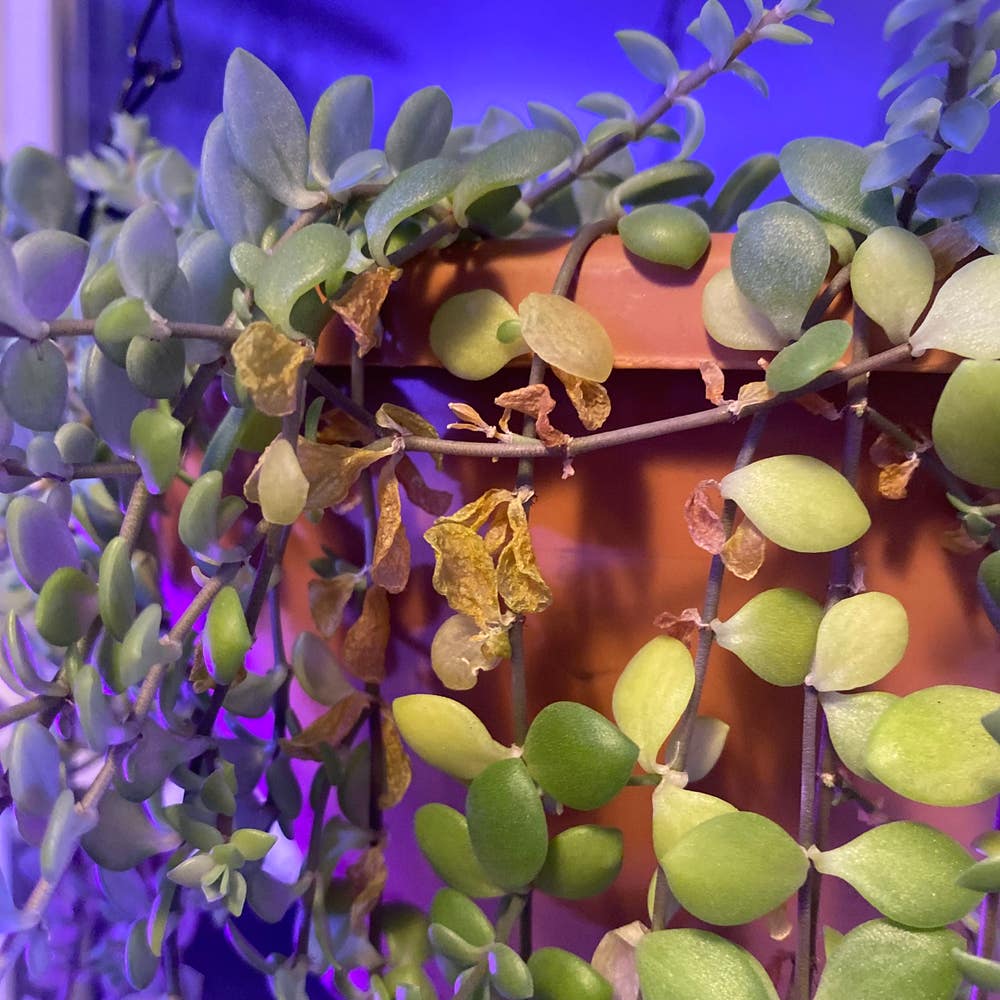
Scorched leaves are the lipstick plant's SOS signal. If you spot leaves with crispy edges or bleach spots, it's time to dial down the sunbathing. These symptoms are like a red flag, waving at you to take action.
🚪 Immediate Remedies
To mitigate damage, relocate your plant to a shadier spot pronto. Prune any leaves that look like they've had a run-in with a blowtorch. It's not just about moving away from the light; it's about finding that sweet spot where your plant can bask without baking.
🔄 Long-Term Prevention Strategies
Rotate your plant regularly to ensure even light exposure. If you're dealing with a particularly sunny spot, consider using sheer curtains to diffuse the light. It's like sunglasses for your plant—protection that still lets it enjoy the view.
🌱 Acclimation Tips
When introducing your lipstick plant to a new spot, do it gradually. A sudden move from shade to full sun is like jumping into a hot tub—it's a shock to the system. Instead, ease it into the change to prevent the botanical equivalent of sunstroke.
🕵️ Monitoring Plant Health
Keep an eye out for yellowing leaves or leggy growth, as these can be distress signals for too much sun or not enough. It's about being a plant detective—observing, deducing, and then acting to keep your green buddy in top shape.
Acclimating Lipstick Plant to Sunlight
🌞 Gradual Introduction to Sunlight
Patience is key when acclimating your Lipstick Plant to more sunlight. Start by placing it in a spot with indirect light for a few hours each day, then incrementally increase its exposure.
🕵️ Monitoring and Adjusting
Keep an eye on the leaves. If they start to show signs of stress, such as browning or wilting, dial back the sunlight. It's like giving your plant a slow-motion tan, not a sunburn.
📅 Acclimation Timeline
Over a period of 1-2 weeks, gradually increase the plant's sun exposure. Begin with 30 minutes and add a bit more each day. It's a marathon, not a sprint, so no rushing!
🌅 Sunlight Acclimation Steps
- Start with 30 minutes of indirect sunlight.
- Increase exposure by 15-30 minutes daily.
- Watch for leaf response; adjust as needed.
- Aim for a full acclimation within 1-2 weeks.
🔄 Post-Acclimation Care
Once acclimated, rotate the pot ¼ turn monthly to ensure even growth. This avoids the dreaded lopsided plant syndrome and keeps your green buddy looking sharp.
⚠️ Safety First
This content is for general information and may contain errors, omissions, or outdated details. It is not medical, veterinary advice, or an endorsement of therapeutic claims.
Always consult a qualified healthcare professional before using any plant as food, medicine, or supplement.
Never eat any plant (or feed one to pets) without confirming its identity with at least two trusted sources.
If you suspect poisoning, call Poison Control (800) 222-1222, the Pet Poison Helpline (800) 213-6680, or your local emergency service immediately.
Spotted an error? Please report it here.
Ensure your Lipstick Plant thrives in just the right light by using Greg to measure the perfect spot 🌿 and get reminders to rotate for even growth.