Fertilizing My Lipstick Plant to Double Its Growth
Aeschynanthus radicans
By the Greg Editorial Team
Jun 15, 2024•6 min read
This article was created with the help of AI so we can cover more plants for you. May contain errors. See one? Report it here.
Double your Lipstick Plant's lushness 🌿 with the perfect fertilizing strategy for explosive growth and blooms! 🌺
- Essential nutrients: Nitrogen, phosphorus, potassium vital for growth and bloom.
- Synthetic vs. organic: Quick growth or sustainable health—choose wisely.
- Fertilizing schedule: Monthly during growth, ease off in winter, adjust as needed.
Choosing the Right Fertilizer for Your Lipstick Plant
💪 Key Nutrients for Lipstick Plant Health and Bloom
Nitrogen, Phosphorus, and Potassium (N-P-K) are the holy trinity of plant nutrition. Your Lipstick Plant craves a balanced diet to strut its stuff. Phosphorus is the secret sauce for those vibrant blooms, while nitrogen supports lush, green growth. Don't forget the micronutrients; they're like the plant's daily vitamins, keeping it robust against pests and diseases.
🍔 Synthetic vs. Organic Fertilizers
When it comes to synthetic fertilizers, think of them as a fast food fix—quick, potent, and ready to supercharge your plant's growth. They're the go-to for a no-fuss nutrient boost. However, like a greasy burger, they come with risks; too much and you'll burn your plant's roots, leaving it worse off than before.
On the flip side, organic fertilizers are the slow-cooked meal prepared with love. They release nutrients at a leisurely pace, fostering soil health and beneficial microbes. Sure, they might stink a bit, and your wallet might feel lighter, but your plant will thank you with steady, sustainable growth.
🤔 The Verdict
It's a toss-up. Synthetic fertilizers give you the quick win, while organics play the long game. Your Lipstick Plant isn't picky—it'll happily sip on either. Just remember, moderation is key. Whether you go for the quick fix or the slow burn, keep an eye on your plant and let it tell you what it needs.

Fertilizing Schedule for Optimal Growth
💪 Best Times to Fertilize
Growing season is go-time for your Lipstick Plant. Think of it as the plant's personal marathon, where it's all about endurance and strength. Kickstart with a balanced fertilizer as the days lengthen in spring. This is when your plant is stretching its legs, eager to grow. As autumn whispers its arrival and the light wanes, switch gears. A fertilizer with higher phosphorus content is your friend, prepping the plant for its restful slumber in winter.
⏰ Frequency of Fertilization
Now, don't get overzealous. More is not always better. Over-fertilization is the fast track to a plant disaster movie, starring your Lipstick Plant. Stick to a monthly treat during the growing season. It's like a monthly subscription to 'Plant Health Monthly'—regular enough to keep your plant thriving but not so much that it gets overwhelmed. In winter, ease off the gas. Once every other month will do. Your plant is chilling, literally, so let it rest without the pressure of extra nutrients.
Remember, your plant's not running on a strict schedule. It's more like a guideline. Observe your plant. If it's looking lush and pushing out new leaves like there's no tomorrow, you've hit the sweet spot. Yellowing leaves or a sad, droopy demeanor? It might be time to reassess your fertilizing strategy. Keep an eye out, and adjust as needed. It's all about that perfect balance.

Application Techniques for Effective Fertilization
🌱 Soil Fertilizer Application: Step-by-Step
- Test your soil to tailor the fertilizer mix to your Lipstick Plant's needs.
- Mix or dilute the fertilizer according to the product's instructions—less is often more.
- Apply the fertilizer at the base of the plant, avoiding direct contact with the stem or leaves.
- Water the plant thoroughly post-application to help nutrients penetrate the soil.
🌿 Foliar Fertilizer Application: Spray It Right
- Prepare a weaker solution than you would for soil application to prevent leaf burn.
- Spray the leaves in the early morning or late afternoon to avoid evaporation and sun damage.
- Aim for the undersides of leaves where absorption is most effective.
🌱 Tune In to Your Plant's Feedback
- Observe your Lipstick Plant's reaction over the days following fertilization. Yellowing leaves may indicate overuse.
- Adjust the strength or frequency of applications based on the plant's health and growth.
🌿 Pro Tips
- Use organic compost as a gentler, slow-release fertilizer option.
- For liquid fertilizers, consider adding more water than directed to mitigate the risk of over-application.
- Remember, each Lipstick Plant is unique—customize your approach as you learn its language.

Recognizing and Correcting Over-Fertilization
🚩 Spotting the Signs
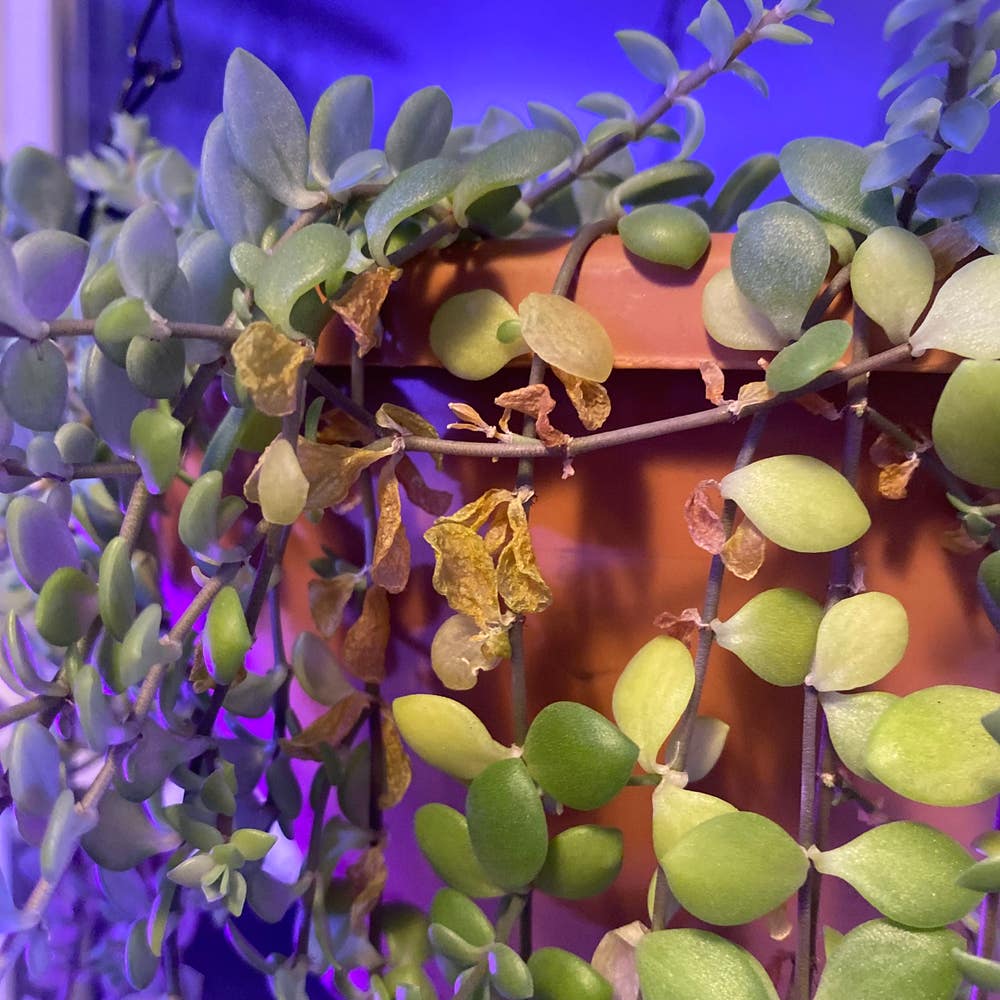
Yellowing leaves, browning at the tips, and a crusty fertilizer buildup on the soil are the tell-tale signs your Lipstick Plant is crying out from an overzealous feeding. If the roots look more like they've been through a bonfire than a garden, you've gone too far. And if your plant's dropping leaves like it's autumn in the Amazon, you've got a classic case of over-fertilization.
🚨 Immediate Steps to Take
First, ditch the excess fertilizer from the soil surface. Next, flood the scene—water your plant thoroughly to flush out the overabundance of nutrients. Repeat every few days, and watch for signs of recovery like a hawk. Snip off any leaves that look like they've seen better days. If your plant's potted, consider a fresh start with new soil. Hold off on the fertilizer for a month; your plant needs a break, not a buffet.
🛡️ Preventing Future Fiascos
Before you even think about fertilizing again, test the soil. It's like a plant's personal health check-up. Water right after fertilizing to help those nutrients settle in. And maybe go for organic compost—it's the slow food movement for plants. Less is more when it comes to fertilizer; think of it as seasoning, not the main course. And for Pete's sake, if you're using liquid fertilizer, dilute it more than you think you need to. Your plant will thank you.
Enhancing Lipstick Plant Blooming Through Fertilization
Fertilization is a game-changer for your Lipstick Plant's blooming potential. To coax out those vibrant flowers, you'll need to be strategic with your nutrient game plan.
💪 Key Nutrients for Flower Power
Phosphorus is the secret sauce for blossoms. Look for a fertilizer with a higher phosphorus content, but don't get heavy-handed; balance is key. Too much, and you're in leaf city with no blooms in sight.
🌸 Bloom-Boosting Fertilization Adjustments
During the flowering stage, adjust your fertilization. A slow-release liquid fertilizer with a 3:1:2 ratio does wonders. Apply it sparingly—overdoing it is like inviting trouble to dinner.
🕰 Timing is Everything
Seasonal shifts matter. Cooler, drier winter conditions set the stage for spring flowers. Post-bloom, prune back to encourage new growth, and keep up with a higher-potassium fertilizer to support the show.
🕵️ Observing and Adapting
Stay vigilant. If you spot buds, tweak your care routine to support the flowering process. It's like detective work, but instead of solving crimes, you're unlocking blooms.
🌱 The Root of the Matter
Consider root restriction. A slightly root-bound Lipstick Plant might stress-flower, like cramming for a test and acing it. But watch for distress signals—over-stressed is over and out.
Remember, fertilization isn't just a chore; it's your plant's ticket to the blooming gala. Keep it balanced, watchful, and responsive, and those flowers will be RSVPing yes in no time.
⚠️ Safety First
This content is for general information and may contain errors, omissions, or outdated details. It is not medical, veterinary advice, or an endorsement of therapeutic claims.
Always consult a qualified healthcare professional before using any plant as food, medicine, or supplement.
Never eat any plant (or feed one to pets) without confirming its identity with at least two trusted sources.
If you suspect poisoning, call Poison Control (800) 222-1222, the Pet Poison Helpline (800) 213-6680, or your local emergency service immediately.
Spotted an error? Please report it here.
Nurture your Lipstick Plant's vibrant growth with just the right touch of fertilizer and let Greg's custom reminders 🌿 keep your green friend flourishing without the fear of over-fertilization.