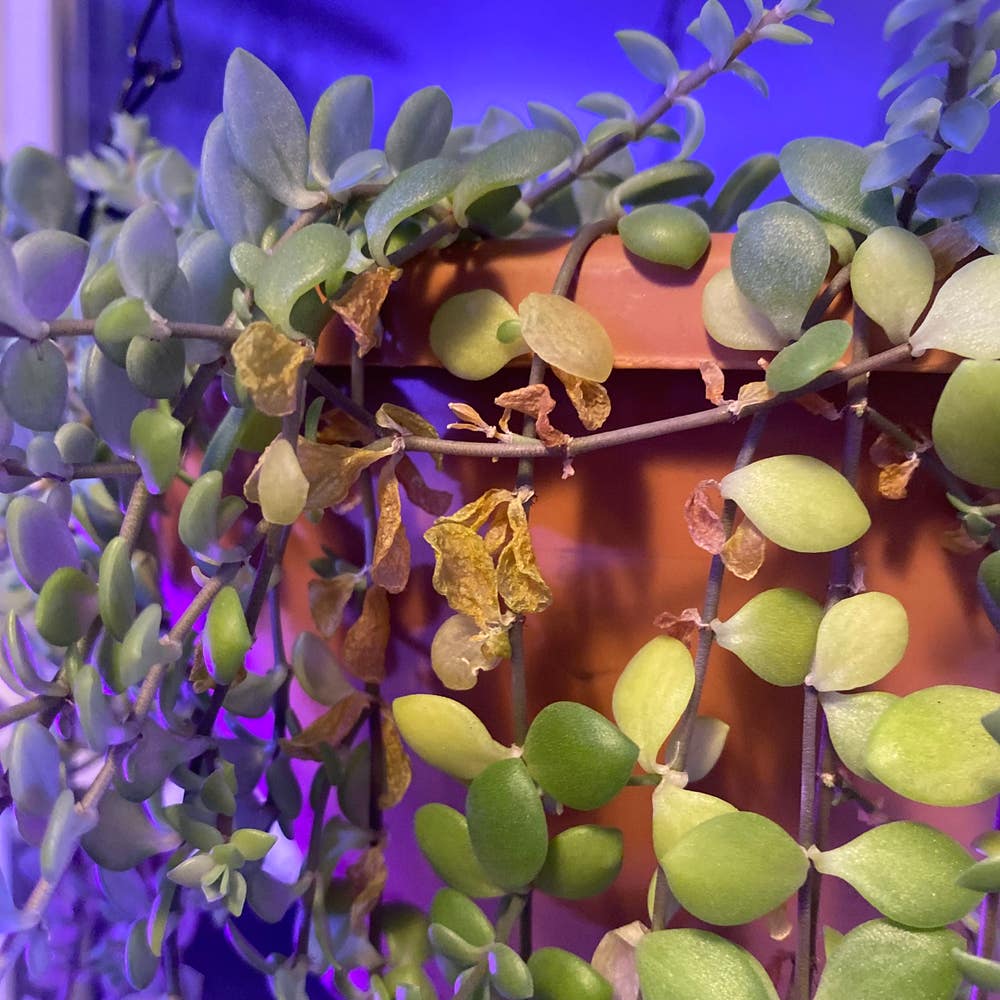
Your Lipstick Vine's Sunlight Needs
Aeschynanthus radicans
By the Greg Editorial Team
Jun 15, 2024•5 min read
This article was created with the help of AI so we can cover more plants for you. May contain errors. See one? Report it here.
Ensure your Lipstick Vine's vibrant blooms with the perfect sunlight recipe! 🌞🌸
- Bright, indirect light is best for indoor Lipstick Vines.
- 12-14 hours of light daily for optimal blooming.
- Rotate and adjust light seasonally to promote even growth and flowering.
Optimal Light Conditions for Indoor Lipstick Vines
Bright, indirect light is the ⛅️ sweet spot for your Lipstick Vine's indoor setup. Aim to mimic the dappled sunlight of a forest canopy—enough to encourage growth without scorching the leaves.
⚡️ Light Intensity and Duration
Your Lipstick Vine craves 12-14 hours of light per day. This duration supports its tropical rhythm, keeping it lush and primed for blooming. Too little light, and it's a no-show for those signature tubular flowers. Too much, and you'll have a crispy plant on your hands.
🌱 Positioning Your Plant
Near a window—that's your Lipstick Vine's happy place. East or west-facing windows are prime real estate, offering the goldilocks zone of light. Rotate the pot occasionally to avoid the lopsided growth that comes from reaching for the light. No sunny window? No sweat. A grow light can pinch-hit for the sun, just keep it at a respectful distance to avoid leaf burn.
Remember, the goal is to avoid the drama of a sunburn and the gloom of a cave. Keep it balanced, and your Lipstick Vine will reward you with vibrant growth and potentially year-round blooms.

Managing Light for Outdoor Lipstick Vines
Outdoor cultivation of Lipstick Vines requires a strategic approach to sunlight exposure. These plants thrive in bright light but wilt under the harshness of direct midday rays.
🌞 Best Practices for Sunlight Exposure
Partial shade is the Lipstick Vine's best friend. Position the plant to receive morning sun, which is gentler, and shield it from the intense afternoon glare. Use natural shade from trees or install a shade cloth to create a dappled light effect. This mimics the vine's natural habitat under the canopy of larger plants.
🛡️ Protection from Direct Sunlight
Direct sunlight, especially during summer, can scorch the leaves. Sunburn is a real threat. Observe your plant's response to its environment; signs of distress like leaf curling or bleaching demand immediate action. Relocate the plant or enhance shading if necessary.
🌦️ Seasonal Light Management
As seasons change, so does the sun's intensity. In cooler months, your Lipstick Vine may crave more light. Gradually introduce it to brighter spots, avoiding sudden changes that could stress the plant. Conversely, as summer peaks, increase shade to prevent overheating and dehydration.
🔄 Dynamic Adjustments
Stay vigilant and ready to adjust your plant's location. Wind can amplify the sun's effects, drying out the soil and stressing the plant. A sheltered spot reduces wind impact while still providing ample light. Remember, outdoor gardening is not a set-it-and-forget-it game; it's about constant tweaking for optimal plant happiness.

Enhancing Flowering with Proper Light
💡 Light Quality and Flowering Cycle
Light quality is pivotal for the Lipstick Vine's flowering cycle. To coax out those vibrant blooms, aim for bright, indirect light that mimics the plant's natural habitat. Think of light as the conductor of an orchestra, with the right balance, your Lipstick Vine will perform a symphony of color.
💡 Adjusting Light for Blooming
To nudge your Lipstick Vine into blooming, adjust light exposure gradually. This avoids shocking the plant, akin to a sudden spotlight on a shy performer. Ensure long days of light followed by consistent periods of darkness, setting the stage for a spectacular floral display.
💡 Seasonal Light Considerations
As seasons change, so should your lighting strategy. In winter, supplement shorter days with grow lights, but dial them back when summer brings longer days. It's about keeping the rhythm, ensuring your Lipstick Vine doesn't miss a beat in its blooming cycle.
💡 Grow Lights: The Secret Weapon
If natural light is playing hard to get, LED grow lights can be your ace in the hole. They offer the blue and red wavelengths crucial for photosynthesis and growth, acting like a legal performance enhancer for your plant's blooming potential.
💡 Monitoring Intensity
Don't fly blind—use a light meter to measure the photon flux density around your Lipstick Vine. It's like having a backstage pass to the exact lighting conditions, allowing you to fine-tune the environment for an award-winning bloom performance.

Using Grow Lights for Lipstick Vine
Lipstick Vines are like indoor sun-worshippers; they crave light for their vibrant blooms. When the sun's rays are scarce, grow lights can be your plant's best friend. Here's the lowdown on keeping your Lipstick Vine in the limelight, indoors.
💡 When to Use Grow Lights
If your space is more dungeon than sunroom, it's grow light time. Winter months often necessitate an artificial sun substitute to keep your Lipstick Vine from becoming a sad, flowerless stick.
💡 How to Use Grow Lights
Position the lights overhead, mimicking the sun. 12 to 16 hours a day should suffice, simulating the long days of summer. Remember, your plant doesn't need to pull an all-nighter; give it some darkness to rest.
💡 Choosing the Right Grow Light
LEDs are the cool kids on the block — they're energy-efficient and emit a spectrum that gets the thumbs up from plants. Go for a mix of red and blue wavelengths; your Lipstick Vine will thank you with a bounty of blooms.
💡 Real Talk on Grow Lights
Don't get it twisted; grow lights are a supplement, not a sun replacement. If you can, let your plant catch some natural rays too. It's about striking a balance, like a good diet, but for your plant's light appetite.
⚠️ Safety First
This content is for general information and may contain errors, omissions, or outdated details. It is not medical, veterinary advice, or an endorsement of therapeutic claims.
Always consult a qualified healthcare professional before using any plant as food, medicine, or supplement.
Never eat any plant (or feed one to pets) without confirming its identity with at least two trusted sources.
If you suspect poisoning, call Poison Control (800) 222-1222, the Pet Poison Helpline (800) 213-6680, or your local emergency service immediately.
Spotted an error? Please report it here.
Achieve vibrant blooms by giving your Lipstick Vine the right glow 🌞 with Greg's tailored light tracking, ensuring a tropical rhythm that's just perfect.