Lion's Tail Agave Height and Width Guide 🦁
Agave attenuata
By the Greg Editorial Team
Sep 30, 2024•5 min read
This article was created with the help of AI so we can cover more plants for you. May contain errors. See one? Report it here.
- 🌱 Lion's Tail Agave grows 3-6 feet tall and 4-8 feet wide in ideal conditions.
- ☀️ Full sun exposure maximizes size; overwatering can lead to root rot.
- ✂️ Prune in spring to maintain shape and promote healthier growth.
Mature Height and Width
Typical Mature Dimensions 🌱
Lion's Tail Agave typically reaches a height of 3 to 6 feet and can spread between 4 to 8 feet wide. These dimensions make it a striking addition to any landscape.
Growth Habit 🌿
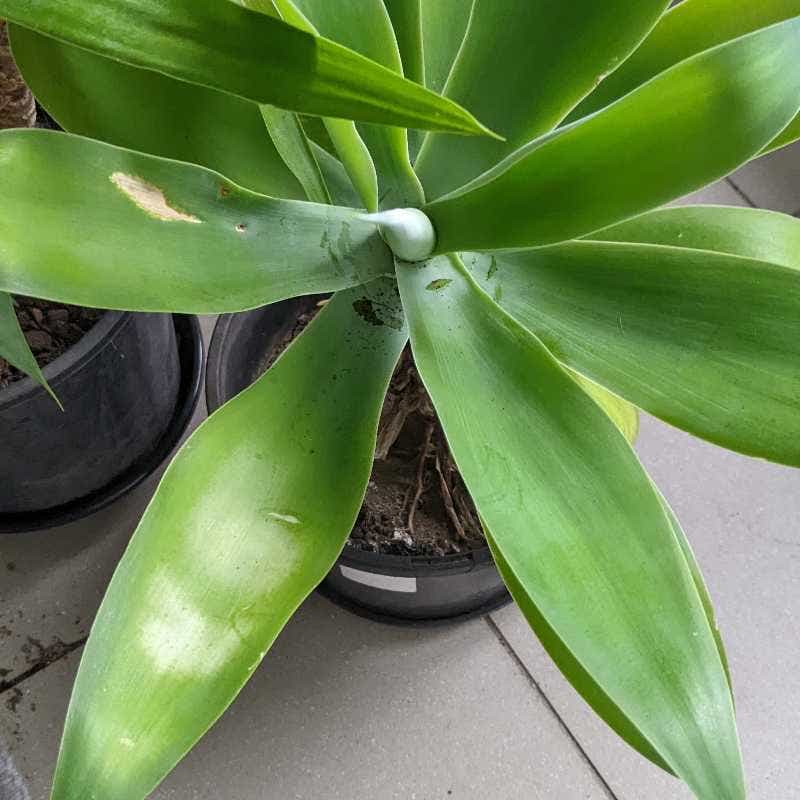
This plant exhibits a stunning rosette shape, characterized by thick, fleshy leaves that taper to a point. Compared to other Agave species, Lion's Tail Agave is moderately sized, making it a versatile choice for various garden settings.
The leaves are often adorned with sharp spines along the edges, adding a touch of drama to its appearance. This unique growth habit not only enhances its aesthetic appeal but also contributes to its resilience in diverse environments.
In summary, the Lion's Tail Agave stands out for its impressive height and width, coupled with a distinctive rosette shape that sets it apart from its relatives. As we explore its growth rate and timeline to full size, you'll discover how these dimensions evolve over time.
Growth Rate and Timeline to Full Size
Growth Rate 🌱
Lion's Tail Agave is classified as having a slow to moderate growth rate. On average, you can expect it to grow between 6 to 12 inches each year.
Full Size Timeline ⏳
Reaching full size typically takes about 5 to 10 years. Several factors can influence this timeline, including soil quality, water availability, and sunlight exposure.
Understanding these elements can help you create the ideal environment for your Agave, ensuring it thrives and reaches its full potential.
As you plan for your Lion's Tail Agave, consider how these growth characteristics will fit into your landscape design.
Size Variability Based on Conditions
🌍 Environmental Impact on Size
The size of Lion's Tail Agave can significantly vary based on environmental factors. Soil type plays a crucial role; well-draining sandy soils promote healthy growth, while heavy clay can stunt development.
Sunlight exposure is another key factor. Agave thrives in full sun, reaching its maximum dimensions, while partial shade can lead to smaller, leggy plants.
Watering practices also influence size. Overwatering can cause root rot and limit growth, whereas drought conditions can stress the plant, potentially stunting its size.
📏 Size Variability Among Specimens
Individual plants can differ greatly in size due to microclimates. For example, an Agave in a sheltered spot may grow larger than one exposed to harsh winds.
Specific growing conditions can lead to noticeable variations in height and width. A plant receiving optimal sunlight and nutrients may reach the upper limits of its size range, while one in less favorable conditions may remain significantly smaller.
Understanding these factors can help you cultivate a thriving Lion's Tail Agave that meets your landscaping needs.
Dwarf and Giant Varieties
Dwarf Varieties 🌱
Dwarf Agave varieties are compact, typically reaching heights of just 1 to 2 feet and widths of 2 to 3 feet. These plants maintain a rosette shape, making them perfect for smaller gardens or container arrangements.
Ideal conditions for growing dwarf Agave ferox include well-draining soil and plenty of sunlight. They thrive in full sun but can tolerate partial shade, making them versatile for various landscaping needs.
Giant Varieties 🌳
On the other end of the spectrum, giant Agave varieties can soar to impressive heights of 6 to 10 feet and widths of up to 12 feet. Their striking presence makes them a focal point in larger landscapes.
When considering landscaping with larger specimens, it's essential to account for their size and growth habits. Ensure they have ample space to grow without crowding other plants, and consider their water and sunlight needs to keep them healthy and vibrant.
Understanding these size variations helps you choose the right Agave for your space, whether you're looking to add a petite touch or a dramatic statement.
Pruning and Size Control Techniques
Importance of Pruning 🌱
Pruning is essential for maintaining the desired size and shape of your Lion's Tail Agave. Regular pruning not only enhances the plant's appearance but also promotes healthier growth.
Pruning Techniques ✂️
1. Timing ⏰
The best time to prune your Agave is during the spring, just before the growing season begins. This timing allows the plant to recover quickly and thrive.
2. Tools 🛠️
Using the right tools is crucial for effective pruning. Sharp, clean pruning shears or scissors will help you make precise cuts without damaging the plant.
3. Techniques 🔪
When pruning, focus on removing dead or damaged leaves first. Always cut at the base of the leaf to prevent injury to the plant.
Other Size Control Methods 📏
Using containers can effectively limit the growth of your Agave. This method allows you to control the plant's size while still providing adequate space for root development.
Adjusting watering and fertilization can also influence size. Less frequent watering and reduced fertilization can help keep your Agave more compact.
By implementing these pruning and size control techniques, you can ensure your Lion's Tail Agave remains healthy and visually appealing. Next, we’ll explore the fascinating world of dwarf and giant Agave varieties.
⚠️ Safety First
This content is for general information and may contain errors, omissions, or outdated details. It is not medical, veterinary advice, or an endorsement of therapeutic claims.
Always consult a qualified healthcare professional before using any plant as food, medicine, or supplement.
Never eat any plant (or feed one to pets) without confirming its identity with at least two trusted sources.
If you suspect poisoning, call Poison Control (800) 222-1222, the Pet Poison Helpline (800) 213-6680, or your local emergency service immediately.
Spotted an error? Please report it here.
Unlock the stunning beauty of your Lion's Tail Agave 🌵 with Greg's tailored care tips and watering reminders, ensuring it thrives to its full size and shape!