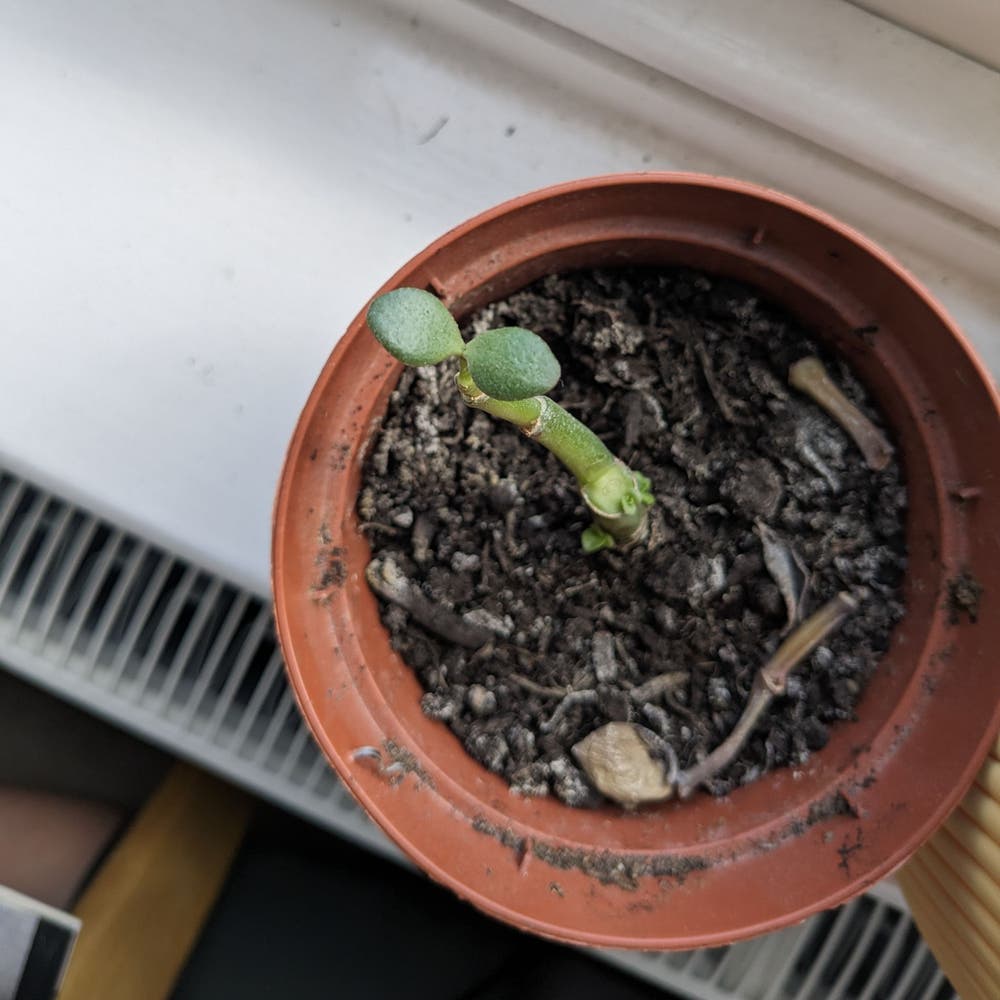
Best Soil Potting Mix for Crassula ovata 'Obliqua'
Crassula ovata 'Obliqua'
By the Greg Editorial Team
Jun 18, 2024•3 min read
This article was created with the help of AI so we can cover more plants for you. May contain errors. See one? Report it here.
Nurture your Crassula ovata 'Obliqua' to perfection 🌿 with this definitive guide to crafting the best soil mix.
- 🌱 Mold and musty odors mean too much moisture; fix with less water, better drainage.
- Perlite, sand, organic matter, pH balance are key for the perfect Crassula ovata 'Obliqua' mix.
- Seasonal adjustments enhance soil aeration and moisture retention for plant health.
Spotting Trouble: Unhealthy Soil Signs and Fixes
🚩 Recognizing the SOS signals from your soil
- Mold presence or a distinct musty odor indicates too much moisture.
- Yellowing leaves or brown tips on your Crassula ovata 'Obliqua' scream for a soil intervention.
🔄 Turning the Soil Ship Around
- Combat mold by reducing watering and improving drainage.
- To fix soil compaction, mix in perlite or coarse sand to enhance aeration.

Crafting the Perfect Soil Potting Mix
🌱 The Dream Team: Components of an Ideal Mix
Perlite is the unsung hero of aeration, keeping your Crassula ovata 'Obliqua' from drowning in excess moisture. Coarse sand adds the necessary grit, ensuring the roots aren't sitting in water. Organic matter, meanwhile, is the buffet of nutrients your succulent craves. To balance the pH, peat moss or coconut coir step up to the plate, making sure the soil acidity is just right for your plant's picky preferences.
🌟 DIY Soil Mix Magic
Mixing your own soil is like being a backstage technician for a rockstar plant. Start with a base of all-purpose potting soil—this is the stage upon which your Crassula ovata 'Obliqua' will perform. Add in one part perlite for the VIP treatment in drainage and aeration. One part coarse sand keeps the mix from getting too clingy with water. For the pH balancing act, toss in peat moss or coconut coir. Before you let your plant take the stage, sterilize the mix to keep the riff-raff—like fungi and pests—at bay.

The Balancing Act: Aeration vs. Moisture Retention
💨 Why Your Plant Needs to Breathe and Drink
Soil is the Crassula ovata 'Obliqua's lifeline. Aeration is crucial; without it, roots suffocate. On the other hand, moisture retention is vital for hydration without drowning the plant. It's a tightrope walk between too dry and waterlogged.
🛠 Fine-Tuning Your Soil's Performance
Seasons change, and so should your soil mix. Summer might call for more moisture retention, while winter demands less. To tweak aeration, add perlite or coarse sand. If water pools on the surface, it's time to intervene.

When Soil Goes Bad: Reviving and Preventing Disaster
🌱 Resuscitating Your Soil
- Revive your Crassula ovata 'Obliqua' by infusing life back into the soil. Start by removing the plant and shaking off the old, tired dirt.
- Mix in fresh compost or worm castings to replenish nutrients. Consider the addition of coco coir or peat moss to balance moisture retention.
🚫 Prevention is Better Than Cure
- Regularly check the soil's moisture level; it should feel like a wrung-out sponge, not a swamp or desert.
- Amend the soil with organic matter annually to maintain its vitality. Remember, your plant's health is a direct reflection of the soil it calls home.
- Keep an eye on the pH and tweak with lime or sulfur as needed. A neutral pH is the sweet spot.
- Implement a no-drowning policy for your Crassula ovata 'Obliqua'—overwatering is a crime against plantkind.
- Monitor for signs of compaction and aerate the soil if it starts resembling concrete more than a fluffy cloud.
- Lastly, don't let your plant's home become a horror scene. If the soil smells like last week's leftovers, it's time for a soil reset.
⚠️ Safety First
This content is for general information and may contain errors, omissions, or outdated details. It is not medical, veterinary advice, or an endorsement of therapeutic claims.
Always consult a qualified healthcare professional before using any plant as food, medicine, or supplement.
Never eat any plant (or feed one to pets) without confirming its identity with at least two trusted sources.
If you suspect poisoning, call Poison Control (800) 222-1222, the Pet Poison Helpline (800) 213-6680, or your local emergency service immediately.
Spotted an error? Please report it here.
Ensure your Crassula ovata 'Obliqua' is a thriving success 🌿 by letting Greg customize your soil mix and watering schedule with these pro tips!