Best Pot for Cliff Maids 🪴
Lewisia cotyledon
By the Greg Editorial Team
Oct 02, 2024•5 min read
This article was created with the help of AI so we can cover more plants for you. May contain errors. See one? Report it here.
Unlock vibrant growth for your Cliff Maids 🌱 by mastering pot sizes and materials for every stage of their journey! 🪴
- 🌱 Use 4-6 inch pots for seedlings and 10-12 inch pots for mature Cliff Maids.
- 🏺 Clay pots promote healthy roots; plastic pots retain moisture for consistent care.
- 🚫 Ensure drainage holes to prevent root rot and support healthy plant growth.
Pot Sizes for Different Growth Stages
Recommended sizes for seedlings 🌱
When starting your Cliff Maids from seedlings, choosing the right pot size is crucial. An ideal container diameter is between 4 to 6 inches, providing enough space for young roots to establish without overwhelming them.
Depth is also important; a pot that is deep enough allows roots to grow downward, promoting stability. This setup encourages healthy growth and prevents the seedlings from becoming root-bound too quickly.
Recommended sizes for mature plants 🌳
As your plants mature, their pot size needs will change significantly. For mature Cliff Maids, a pot diameter of 10 to 12 inches is recommended to accommodate their larger root systems.
Height matters too; a taller pot offers better stability and room for growth. This ensures your plants can thrive without the risk of tipping over or becoming root-bound, allowing them to flourish beautifully.
With the right pot sizes for both seedlings and mature plants, you're setting the stage for healthy growth and vibrant blooms. Next, let's explore the ideal pot materials that can further enhance your plants' development.
Ideal Pot Materials
Benefits of Clay Pots 🌱
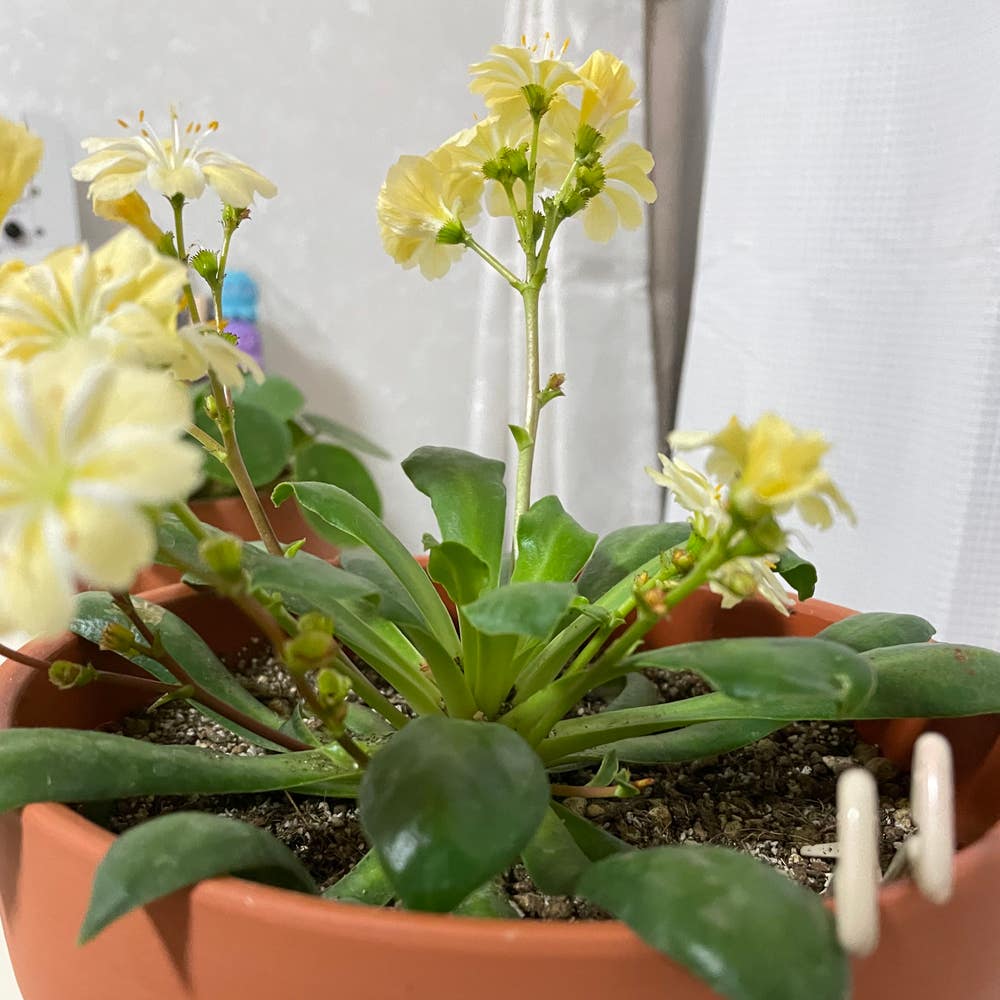
Clay pots are a favorite among many plant enthusiasts due to their porosity and breathability. This natural material allows air and moisture to circulate, which is crucial for healthy root development.
The moisture regulation offered by clay is particularly beneficial. It absorbs excess water, preventing overwatering, while also allowing roots to breathe. Additionally, clay pots help maintain a stable temperature, protecting roots from extreme heat or cold.
Benefits of Plastic Pots 🪴
Plastic pots are lightweight and easy to handle, making them a practical choice for many gardeners. Their durability and cost-effectiveness make them a popular option for both beginners and seasoned plant lovers.
One of the standout features of plastic pots is their moisture retention. They tend to hold water longer than clay, which can be advantageous for plants that prefer consistently moist conditions.
Comparison of Terracotta and Ceramic Pots 🍶
When comparing terracotta and ceramic pots, moisture retention is a key factor. Terracotta pots are porous and breathable, allowing for excellent drainage and air circulation. This makes them ideal for plants that thrive in drier conditions.
On the other hand, ceramic pots are often more decorative but less breathable. They can retain moisture longer, which might not be suitable for all plants. Choosing between these materials depends on your plant's specific growth conditions and needs.
In summary, selecting the right pot material is essential for your plants' health. Understanding the benefits of clay, plastic, terracotta, and ceramic pots will help you make informed decisions that support your gardening journey.
Next, let’s dive into the crucial topic of drainage considerations to ensure your plants thrive.
Drainage Considerations
Importance of drainage holes 🌊
Drainage holes are crucial for preventing root rot in your cliff maids. They allow excess water to escape, ensuring that the soil remains at optimal moisture levels.
Proper drainage directly impacts the health of your plants. Too much water can suffocate roots, leading to decay and stunted growth.
For effective drainage, aim for holes that are at least 1/4 inch in diameter. Depending on the pot size, 3 to 5 holes should suffice to maintain healthy moisture levels.
Ensuring proper drainage 🚰
To enhance drainage in your pots, start with a high-quality potting mix. This type of soil typically contains components that promote airflow and moisture retention.
Consider adding materials like perlite or gravel at the bottom of the pot. These additions create a barrier that further prevents water from pooling, ensuring your plants thrive.
With the right drainage setup, your cliff maids will flourish. Proper care now will lead to vibrant growth and a healthy plant in the long run.
Next, let’s explore the signs that indicate it’s time to repot your plants.
Repotting
Signs that it's time to repot 🌱
Recognizing when your Cliff Maids need repotting is crucial for their health. Look for visible roots pushing through the drainage holes; this is a clear sign of root-bound conditions.
Stunted growth or yellowing leaves can also indicate that your plant is outgrowing its current home. If you notice these signs, it’s time to take action.
Step-by-step guide to repotting 🛠️
Repotting may seem daunting, but it’s straightforward. Follow these steps for a successful transition:
- Prepare the new pot with drainage holes. Ensure the pot is the right size and has adequate drainage.
- Gently remove the plant from its current pot. Be careful not to damage the roots during this process.
- Inspect roots for damage or rot. Trim any unhealthy roots before proceeding.
- Place the plant in the new pot and fill with potting mix. Make sure the plant is centered and stable.
- Water thoroughly and allow to drain. This helps settle the soil and provides moisture to the roots.
Choosing the right pot when repotting 🪴
Selecting the right pot is essential for your plant's continued growth. Consider a size increase of about 1-2 inches in diameter for the new pot.
Material matters too; choose based on your plant's growth stage and health needs. For instance, a lightweight plastic pot may be ideal for younger plants, while a sturdy clay pot can support mature ones.
With these tips, your Cliff Maids will thrive in their new environment, setting the stage for vibrant growth. Next, let’s explore the importance of drainage considerations to keep your plants healthy.
⚠️ Safety First
This content is for general information and may contain errors, omissions, or outdated details. It is not medical, veterinary advice, or an endorsement of therapeutic claims.
Always consult a qualified healthcare professional before using any plant as food, medicine, or supplement.
Never eat any plant (or feed one to pets) without confirming its identity with at least two trusted sources.
If you suspect poisoning, call Poison Control (800) 222-1222, the Pet Poison Helpline (800) 213-6680, or your local emergency service immediately.
Spotted an error? Please report it here.
Select the perfect pot for your Cliff Maids 🌿 with Greg's tailored advice on size and material, ensuring your plants flourish in their ideal environment!