Optimal Temperature for Your Acalypha reptans
Acalypha chamaedrifolia
By the Greg Editorial Team
Jul 23, 2024•4 min read
This article was created with the help of AI so we can cover more plants for you. May contain errors. See one? Report it here.
Keep your Acalypha reptans vibrant and flowering 🌺 by nailing the perfect temperature range!
- 🌡️ Optimal range 60°F-75°F ensures Acalypha reptans thrives.
- 🍂 Watch for wilting or discoloration as signs of temperature stress.
- 🌞❄️ Seasonal care adjustments critical for health and flowering.
Optimal Temperature Range
🌡️ Ideal Conditions
Acalypha reptans, a vibrant and versatile plant, flourishes within a specific temperature sweet spot.
- The ideal temperature range for Acalypha reptans is between 60°F and 75°F (15°C to 24°C).
- Consistent temperatures within this range promote healthy growth and vitality.
- Avoid temperatures below 50°F (10°C) as they can cause stress and potential damage to the plant.
🌬️ Seasonal Adjustments
As the seasons change, so should your approach to caring for your Acalypha reptans.
- In summer, shield the plant from excessive heat by providing shade or moving it to a cooler area.
- During winter, protect Acalypha reptans from cold drafts and consider using a grow light if natural warmth is insufficient.
- Gradual acclimation to changing temperatures can prevent shock, ensuring your plant remains robust year-round.
Recognizing Temperature Stress
🌡️ Signs of Distress
Acalypha reptans communicates discomfort through its foliage when temperatures deviate from its comfort zone. Watch for these signals:
- Wilting leaves suggest your plant is overheated and begging for a reprieve.
- Discoloration, such as leaves turning yellow or brown, is the plant's white flag of surrender to temperature extremes.
- Stunted growth is a silent but urgent plea for a more temperate environment.
- Leaf drop can be the final act of a plant pushed too far by the thermometer.
🚨 Immediate Actions
When Acalypha reptans shows signs of temperature stress, it's time to spring into action:
- Relocate your plant to a spot with a more suitable temperature, away from direct sunlight or cold drafts.
- Prune any visibly damaged areas to halt the spread of decay.
- Adjust watering practices to account for the plant's reduced vigor during recovery.
- Ensure long-term stability by finding a location that maintains consistent temperatures, reflecting the plant's natural habitat.
Remember, while humidity plays a role, temperature is the star of the show for Acalypha reptans' well-being.
Managing Temperature Extremes
🌡️ Heat Stress Prevention
Acalypha reptans thrives in a stable environment, but when temperatures soar, it's crucial to step in. Here's how to shield your plant from the scorching heat:
- Provide dappled shade or relocate the plant to a cooler area to avoid direct sun exposure during peak hours.
- Increase watering frequency, ensuring the soil stays moist but not waterlogged, to help the plant stay hydrated.
- Promote good air circulation; stagnant, hot air can exacerbate heat stress.
- Consider using a light-colored mulch to reflect sunlight and keep the root zone cooler.
❄️ Cold Stress Mitigation
Cold snaps can be just as detrimental to Acalypha reptans. To protect your plant from the chill:
- Move potted plants indoors or to a sheltered spot before the first frost.
- Use frost cloths or blankets to insulate outdoor plants, trapping heat and warding off frost damage.
- Avoid abrupt temperature drops; transition your plant gradually to minimize shock.
- Keep the plant away from drafty windows and doors where cold drafts can cause sudden temperature fluctuations.
Temperature and Plant Health
Growth and Flowering
🌡️ Acalypha reptans thrives when the temperature is just right. Let's dive into how this affects its growth and flowering.
- The ideal temperature range for Acalypha reptans is between 60°F and 75°F (15°C and 24°C).
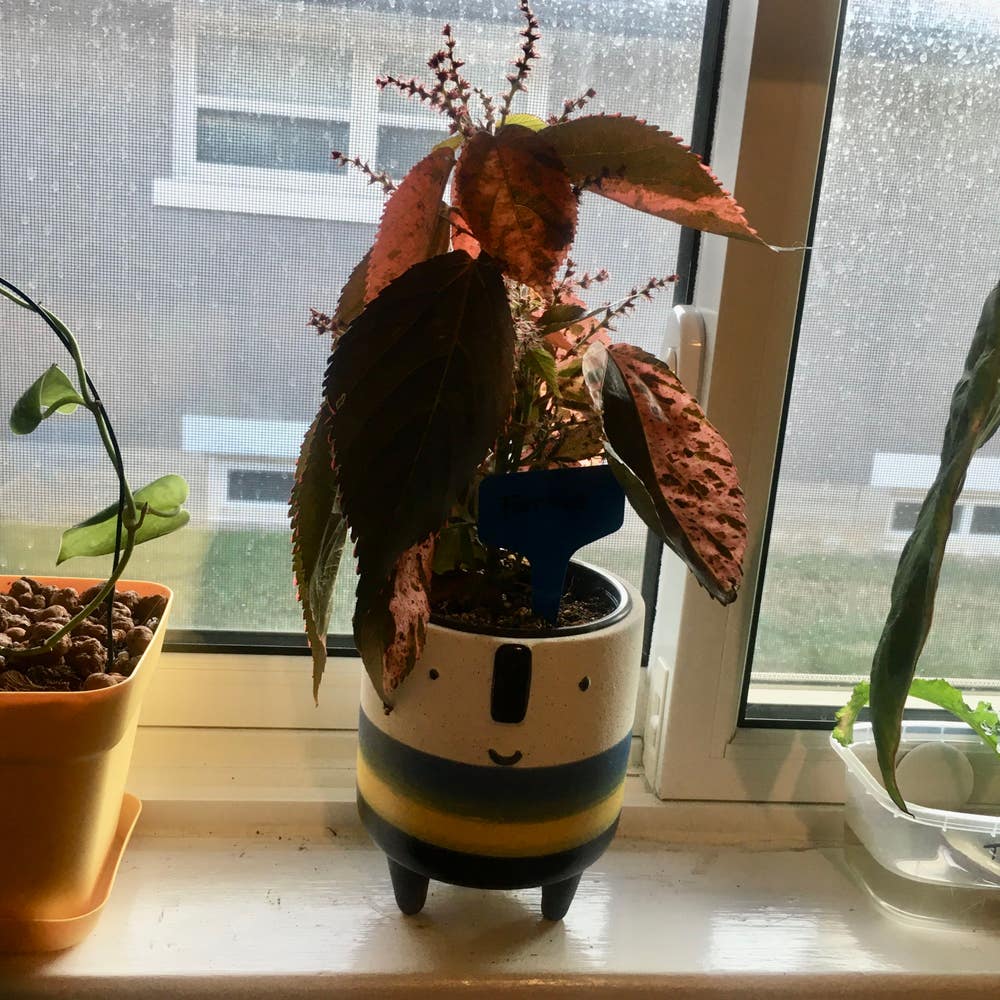
- Consistent temperatures within this range promote robust growth and the continuous production of its distinctive cat-tail-like flowers.
- Deviations from this sweet spot can disrupt the plant's growth cycles and flowering frequency.
Long-Term Impacts
🌿 Temperature isn't just a short-term concern; it has lasting effects on Acalypha reptans.
- Prolonged exposure to temperatures outside the ideal range can lead to stunted growth and reduced flowering over time.
- Extreme temperatures may cause irreversible damage to the plant's physiological processes, affecting its overall health and longevity.
- Regular monitoring and adjustments ensure your Acalypha reptans remains a vibrant, flowering spectacle for years to come.
⚠️ Safety First
This content is for general information and may contain errors, omissions, or outdated details. It is not medical, veterinary advice, or an endorsement of therapeutic claims.
Always consult a qualified healthcare professional before using any plant as food, medicine, or supplement.
Never eat any plant (or feed one to pets) without confirming its identity with at least two trusted sources.
If you suspect poisoning, call Poison Control (800) 222-1222, the Pet Poison Helpline (800) 213-6680, or your local emergency service immediately.
Spotted an error? Please report it here.
Ensure your Acalypha reptans thrives 🌡 with Greg's adaptive care reminders, keeping it in the perfect temperature sweet spot for year-round health and blooms.