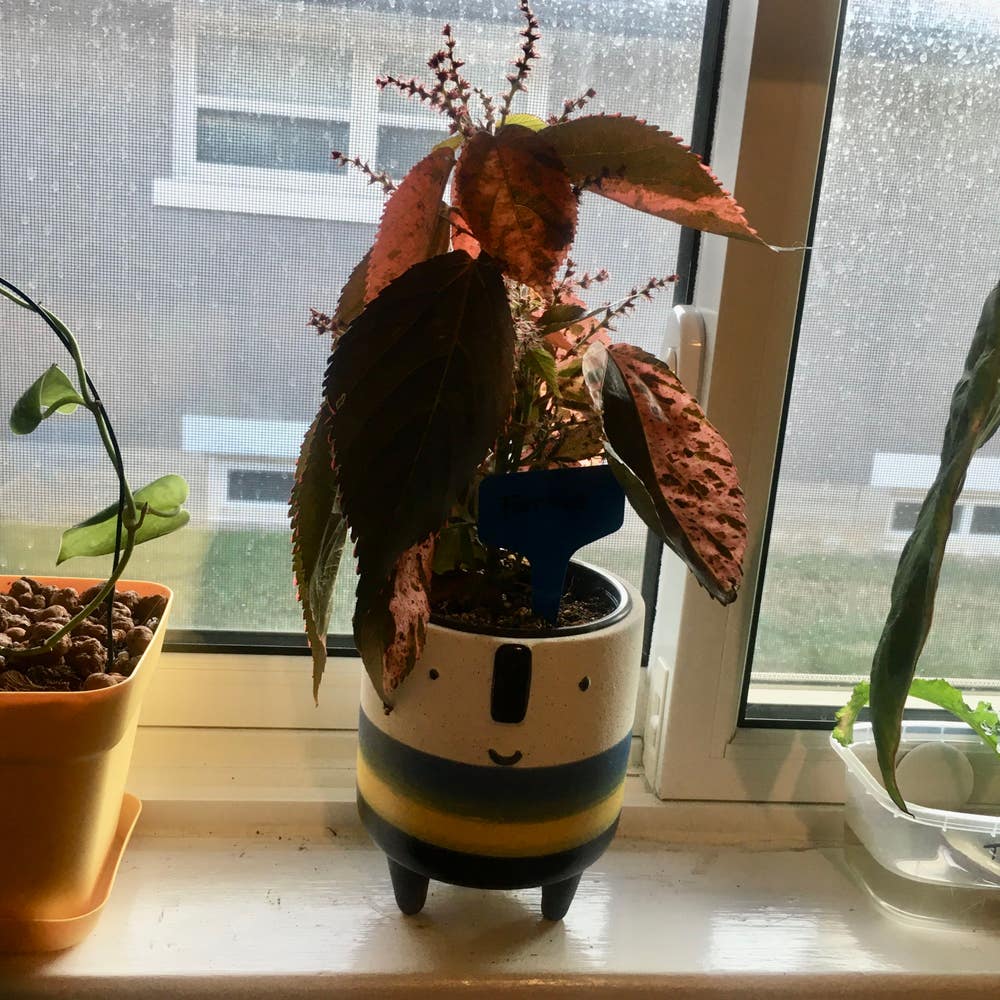
8 Do's and Don'ts of Growing Dwarf Chenille Plant
Acalypha chamaedrifolia
By the Greg Editorial Team
Jul 23, 2024•6 min read
This article was created with the help of AI so we can cover more plants for you. May contain errors. See one? Report it here.
Grow a lush Dwarf Chenille Plant by mastering these vital care tips! 🌿🌱
- 🌱 Bright, indirect light is key; direct sun can harm Dwarf Chenille Plants.
- 💧 Water only when topsoil is dry; over-watering leads to root issues.
- 🌡️ Keep temperatures 65°F-75°F for healthy growth and avoid fluctuations.
Ideal Growing Conditions
💡 Light Exposure: Do's and Don'ts
Dwarf Chenille Plants flourish in bright, indirect light. To ensure your plant thrives:
- Do find a spot that mimics the dappled sunlight of a forest understory.
- Do rotate your plant periodically for even light exposure.
- Don't place it in direct sunlight, which can lead to leaf scorch.
- Don't forget to adjust the plant's position seasonally to avoid light intensity changes that could stress the plant.
🌡️ Temperature Consistency: Do's and Don'ts
The ideal temperature range for Dwarf Chenille Plants is between 65°F and 75°F (18°C and 24°C). Here's how to maintain a happy plant:
- Do keep your plant away from drafts and vents to avoid sudden temperature changes.
- Don't expose your plant to temperatures below 50°F (10°C), as cold stress can be damaging.
- Don't allow the temperature to fluctuate widely; think of your plant's comfort as you would your own.
Soil and Planting
🌱 Soil Composition: Do's and Don'ts
To set your Dwarf Chenille Plant up for success, begin with the soil. Opt for a well-draining mix, rich in organic matter, to provide a balanced environment for root growth. Avoid soils that retain excessive moisture, as this can lead to root rot and other issues.
Do:
- Use a mix of peat, pine bark, and perlite or coarse sand for aeration.
- Enrich the soil with organic compost to boost nutrient content.
- Ensure the potting mix is loose and friable to allow roots to spread easily.
Don't:
- Plant in heavy, clay-rich soil that holds water and restricts root movement.
- Over-amend with organic matter, which can lead to nutrient imbalances.
- Ignore signs of poor drainage, like water pooling on the soil surface.
🌿 Planting Technique: Do's and Don'ts
Planting your Dwarf Chenille Plant correctly is crucial for its growth. Pay attention to the depth and spacing to avoid common pitfalls.
Do:
- Plant at the same depth it was in its previous container to prevent stem rot.
- Space plants adequately to ensure proper air circulation and light penetration.
Don't:
- Bury the stem too deep or leave roots exposed, as both can stress the plant.
- Crowd plants together, which can lead to competition for resources and disease.
Watering and Humidity
💧 Watering Frequency: Do's and Don'ts
Watering your Dwarf Chenille Plant correctly is crucial for its well-being. Here's how to get it right:
Do:
- Water when the top 1-2 inches of soil feel dry to the touch.
- Adjust watering frequency based on the season; less in winter, more in summer.
- Observe your plant for signs of thirst, such as droopy leaves, before watering.
Don't:
- Stick to a rigid watering schedule without checking soil moisture.
- Overwater, as soggy soil can lead to root rot and a host of other issues.
- Underwater consistently, which can cause dry, crispy leaves and stunt growth.
💦 Humidity Levels: Do's and Don'ts
Maintaining the right humidity level is just as important as watering:
Do:
- Aim for a humidity level that mimics the plant's natural tropical environment.
- Use a humidifier or place a water tray near the plant to increase humidity.
- Mist the leaves occasionally, especially during dry winter months.
Don't:
- Ignore the signs of low humidity, like brown leaf tips.
- Let the air become too humid, which can encourage fungal diseases.
- Forget to adjust your watering habits if you're increasing humidity artificially.
Feeding Your Plant
🌱 Fertilizer Selection: Do's and Don'ts
- Do choose a balanced, water-soluble fertilizer tailored for flowering plants. It's like picking a multivitamin that matches your diet.
- Don't fall for cheap fertilizers. They might be packed with salts that can harm your plant over time. Think of it as junk food for your green buddy.
- Do consider organic options like worm compost or fish emulsion. They're gentle and provide a steady supply of nutrients.
- Don't use a heavy hand. More isn't better. Over-fertilizing can lead to nutrient burn, which is as bad for your plant as a sugar crash is for you.
📅 Application Schedule: Do's and Don'ts
- Do fertilize during the growing season, which is typically spring through early fall. Your plant's appetite increases when it's in growth mode.
- Don't stick to a rigid schedule. Observe your plant's response and adjust accordingly. Yellowing leaves? Might be time to tweak the feeding frequency.
- Do water your plant before fertilizing. It's like having a glass of water with your meal—it helps with absorption.
- Don't fertilize a dormant plant in winter. It's like waking someone up for breakfast when they're not hungry. Let it rest.
- Do flush the soil with water if you over-fertilize by accident. It's the plant equivalent of a detox.
- Don't ignore the signs of over-fertilization: stunted growth, brown tips, and wilted leaves. If you spot these, it's time for a nutrient intervention.
Container vs. Garden Cultivation
🌱 Container Growing: Do's and Don'ts
Choosing the right container is crucial for the Dwarf Chenille Plant's health. Opt for a size that allows room for growth, typically a pot that is several gallons in volume. This ensures adequate space for root development and reduces the need for frequent watering.
- Do:
- Select containers with good drainage to prevent waterlogging.
- Use a well-drained potting mix to promote healthy root growth.
- Consider the weight of the container if you plan to move it around.
- Don't:
- Overlook the importance of pot size; too small can restrict growth.
- Ignore the signs of a root-bound plant; repot as necessary.
- Forget to shade the container in hot weather to protect the roots.
🌿 Outdoor Growing: Do's and Don'ts
Outdoor cultivation of Dwarf Chenille Plants requires attention to seasonal changes and local climate conditions. They thrive in consistent temperatures and can be sensitive to extreme shifts.
- Do:
- Acclimate your plant gradually when transitioning it outdoors.
- Monitor the weather and provide protection from harsh conditions.
- Utilize mulch to maintain consistent soil temperature and moisture.
- Don't:
- Neglect to consider the microclimate of your garden space.
- Underestimate the impact of frost or intense heat.
- Overlook the need for additional watering during dry spells.
⚠️ Safety First
This content is for general information and may contain errors, omissions, or outdated details. It is not medical, veterinary advice, or an endorsement of therapeutic claims.
Always consult a qualified healthcare professional before using any plant as food, medicine, or supplement.
Never eat any plant (or feed one to pets) without confirming its identity with at least two trusted sources.
If you suspect poisoning, call Poison Control (800) 222-1222, the Pet Poison Helpline (800) 213-6680, or your local emergency service immediately.
Spotted an error? Please report it here.
Let Greg tailor a nurturing environment for your Dwarf Chenille Plant 🌱, from sunlight to watering, ensuring it flourishes just like in its natural tropical haven.