How to Cure Brown Spots on Your Dwarf Chenille Plant
Acalypha chamaedrifolia
By the Greg Editorial Team
Jul 23, 2024•5 min read
This article was created with the help of AI so we can cover more plants for you. May contain errors. See one? Report it here.
Revive your Dwarf Chenille's beauty by tackling brown spots with these plant-saving tips! 🌿🔍
- 🌱 Early detection of brown spots is key to plant recovery.
- 💧🌡️ Adjust watering and temperature to prevent and treat brown spots.
- ✂️ Prune and monitor regularly for Dwarf Chenille Plant health.
Diagnosing Brown Spots
🕵️♂️ Spot Appearance
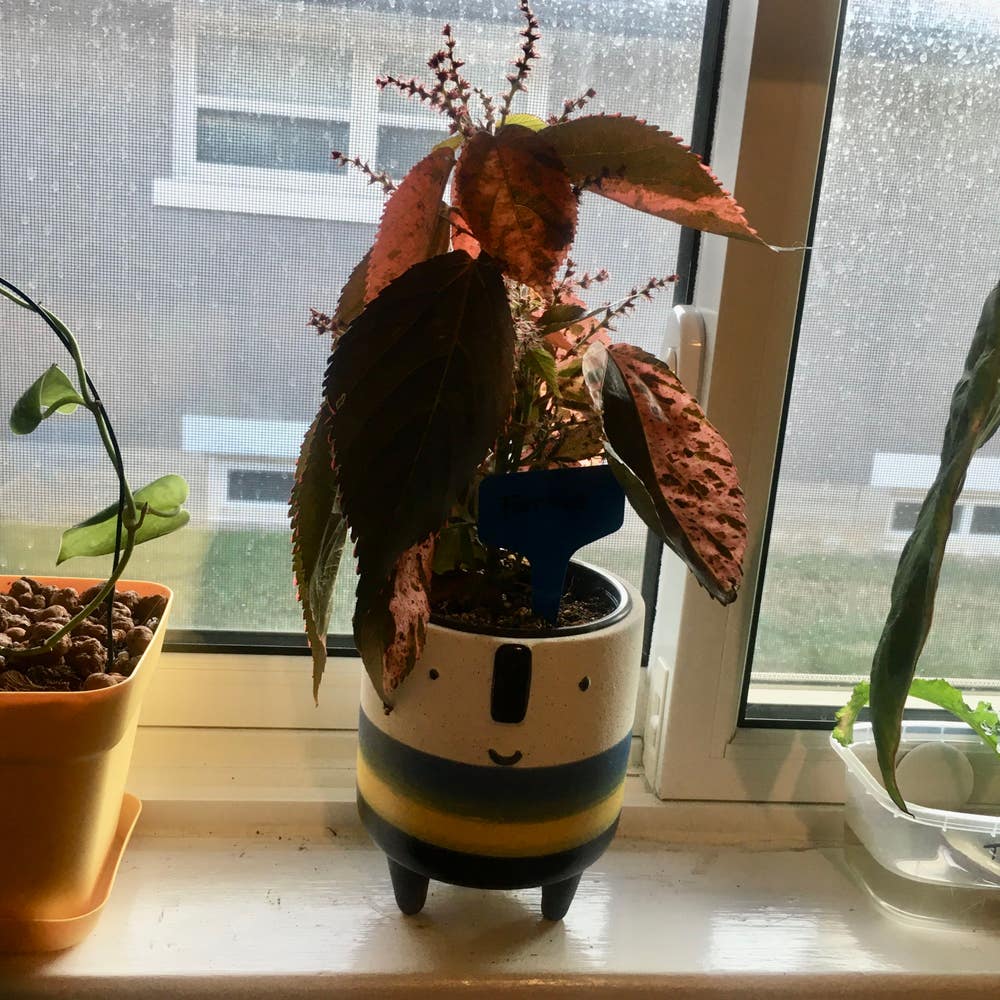
Brown spots on Dwarf Chenille Plants can be a real eyesore, signaling that all's not well. These blemishes can vary in appearance, often starting as small, discolored patches that grow in size. They might be uniform, indicating a systemic issue, or appear more randomly, which could point to environmental stress or physical damage. The texture of these spots is also a giveaway; they could be dry and crispy or soft and mushy, depending on the underlying cause.
🕵️♂️ Common Causes
Getting to the root of brown spots means playing plant detective. Here's a rundown of usual suspects:
- Watering Mishaps: Both overwatering and underwatering can lead to brown spots. Overly soggy soil can suffocate roots and invite fungal invaders, while too little water leaves plants parched and prone to browning.
- Nutrient Imbalances: Just like a bad diet can affect your health, improper nutrition can cause brown spots on your plant. Too much or too little of certain nutrients can lead to discolored leaves.
- Environmental Stressors: The wrong lighting, temperature fluctuations, or poor air circulation can stress out your Dwarf Chenille, resulting in those unsightly spots.
- Physical Damage: Rough handling or accidental bumps can bruise leaves, leaving behind brown marks.
- Pests and Pathogens: Tiny critters and microbial marauders can wreak havoc, leaving a trail of brown as they damage plant tissue.
Remember, spotting the issue early can make all the difference in nursing your plant back to health.
Immediate Treatment Steps
💧 Watering Adjustments
Overzealous watering often leads to brown spots on your Dwarf Chenille Plant. To get back on track, follow these steps:
- Allow the top layer of soil to dry out before watering again.
- Stick your finger into the soil up to the second knuckle; water only if it feels dry.
- Ensure your pot has adequate drainage to prevent water from pooling at the roots.
🌿 Nutrient Correction
Nutrient imbalances can also cause those unsightly brown spots. Here's how to fix them:
- Use a water-soluble fertilizer to provide essential macro and micro-nutrients.
- Apply foliar feeding carefully, avoiding direct sunlight to prevent leaf burn.
- Remember, moderation is key—too much fertilizer can harm your plant just as much as too little.
Environmental Optimization
Light and Humidity
💃 Dwarf Chenille Plants relish a delicate dance with light and moisture. Here's how to choreograph the perfect conditions:
- Position your plant in a spot with bright, indirect sunlight. Direct rays can be harsh, causing leaves to curl defensively.
- Rotate the plant periodically to ensure all sides receive equal light, preventing a lopsided growth.
- Humidity levels should be moderate. Too dry, and the leaves may crisp; too damp, and you invite disease. Use a humidifier or dehumidifier to fine-tune the air moisture.
Temperature Control
🌡️ Temperature consistency is like a comfort blanket for your Dwarf Chenille Plant:
- Maintain a steady temperature above 50°F, avoiding the shock of sudden drops or spikes.
- Steer clear of drafty windows and air vents which can create fluctuating conditions.
- Consider grouping plants together or using a pebble tray to stabilize humidity, indirectly aiding temperature control.
Advanced Care Techniques
🌿 Pruning Affected Leaves
Pruning is crucial for the health of your Dwarf Chenille Plant when dealing with brown spots. Here's how to do it right:
- Always use sterilized, sharp pruning tools to avoid introducing any pathogens.
- Identify leaves with brown spots and snip them off cleanly at the base or just beyond a healthy part of the leaf.
- Avoid removing more than 20% of the plant's foliage at once to prevent shock. If extensive pruning is needed, do it in stages.
🌱 Fostering Recovery
After pruning, it's time to help your plant bounce back:
- Provide consistent watering, ensuring the soil is moist but not soggy.
- Place the plant in a spot with adequate light and air circulation to promote new growth.
- Hold off on heavy fertilization; a mild solution during the growing season is sufficient.
- Monitor your plant for new foliage, which is a positive sign of recovery.
Prevention Strategies
🌬️ Ensuring Air Flow
Good air circulation is essential in preventing brown spots on Dwarf Chenille Plants. Here's why and how to achieve it:
- Airflow helps to keep the foliage dry, reducing the risk of fungal and bacterial infections.
- Avoid placing your plant in stagnant areas; instead, opt for a location with a gentle, indirect breeze.
- Space your plants adequately to prevent moisture buildup and ensure each plant has enough room to "breathe."
- Consider using a fan or opening a window to promote air movement, especially in areas with poor natural airflow.
🕵️ Routine Plant Checks
Consistent monitoring is your first line of defense against brown spots. Incorporate these habits into your plant care routine:
- Inspect your Dwarf Chenille Plant regularly for early signs of brown spots.
- Water in the morning to allow any accidental splashes on the leaves to evaporate before nightfall.
- Remove any dead leaves or debris around your plant to prevent decay and disease.
- Sterilize your pruning tools after each use to avoid spreading pathogens.
- Adjust your care practices immediately if you notice the slightest discoloration or spotting on the leaves.
⚠️ Safety First
This content is for general information and may contain errors, omissions, or outdated details. It is not medical, veterinary advice, or an endorsement of therapeutic claims.
Always consult a qualified healthcare professional before using any plant as food, medicine, or supplement.
Never eat any plant (or feed one to pets) without confirming its identity with at least two trusted sources.
If you suspect poisoning, call Poison Control (800) 222-1222, the Pet Poison Helpline (800) 213-6680, or your local emergency service immediately.
Spotted an error? Please report it here.
Nurture your Dwarf Chenille back to health and prevent future woes 🌱 with Greg's tailored watering and care reminders, directly informed by the insights in this article!