Your Dwarf Chenille Plant's Light Requirements
Acalypha chamaedrifolia
By the Greg Editorial Team
Jul 23, 2024•4 min read
This article was created with the help of AI so we can cover more plants for you. May contain errors. See one? Report it here.
Nurture a lush Dwarf Chenille Plant 🌿 with these expert tips on mastering its ideal light conditions for vibrant growth and blooms. 🌞
- 🌱 Bright, indirect sunlight is key for Dwarf Chenille Plant growth.
- 🌤️ Rotate and adjust with seasons to prevent stretching or leaf burn.
- 💡 Use full-spectrum LEDs to supplement light indoors for health and blooming.
Optimal Light Conditions
Bright, indirect sunlight is the Dwarf Chenille Plant's sweet spot for robust growth. Aim for four to six hours of this gentle sun exposure daily to keep your plant thriving.
- Too much direct sunlight can lead to leaf burn, causing the leaves to crisp and lose their lush appearance.
- Insufficient light will result in a plant that appears stretched and dull, with a noticeable lack of vibrant foliage or blooms.
Adjust your plant's position with the changing seasons to ensure it receives the right amount of light year-round. This vigilance pays off with a plant that's both healthy and aesthetically pleasing.
Outdoor Growing Tips
Dwarf Chenille Plants thrive in a delicate equilibrium of sunlight and shade when grown outdoors. Here's how to strike that balance:
- Aim for a location that offers full to partial sun, with a preference for morning light. This ensures your plant gets the gentle warmth it needs without the harshness of the midday sun.
- During the peak intensity hours, from 10:00 AM to 3:00 PM, provide your plant with some form of shade to prevent leaf burn.
🌞 Strategies for Sun Protection
Protecting your Dwarf Chenille Plant from too much sun is crucial for its health and vibrancy:
- Consider using a shade cloth or positioning the plant under a larger plant or structure that offers dappled shade.
- Gradually acclimate your plant to outdoor sunlight if it was previously indoors, increasing its exposure incrementally to avoid sunburn.
- Keep an eye on the plant's response to sunlight, adjusting its position as necessary to prevent stress signs like yellowing leaves or wilted blooms.
Indoor Light Strategy
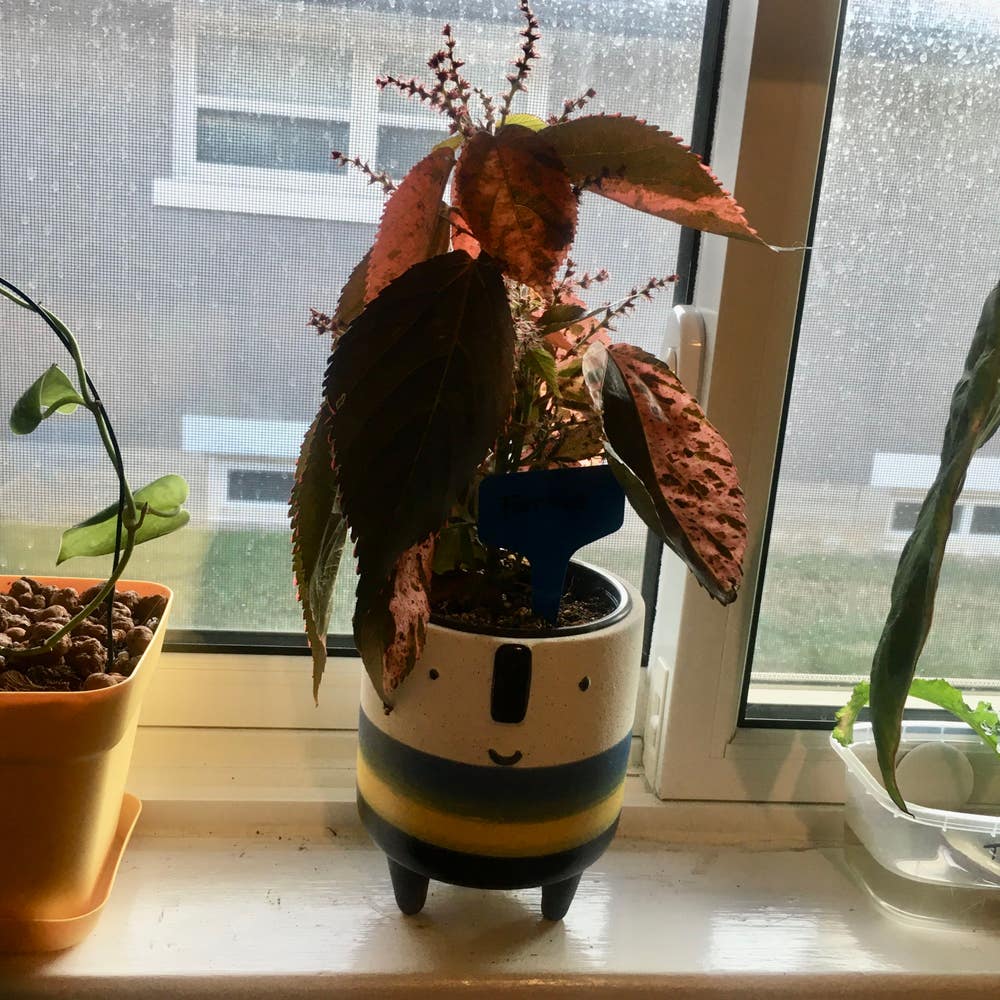
Assessing the natural light in your home is crucial for the well-being of your Dwarf Chenille Plant. During the growing season, ensure it receives ample light by placing it near a south-facing window, which offers a generous amount of spring sunshine without the risk of leaf burn.
- Position your plant near a bright window, ideally south- or west-facing, to capture direct morning sunlight or softer indirect afternoon light.
- Rotate your Dwarf Chenille Plant weekly to promote even growth and prevent it from leaning toward the light source.
As seasons change, so do your indoor light strategies.
- In autumn, prepare for winter by ensuring your plant receives bright, indirect light to maintain its vigor.
- With shorter days in winter, place your plant closer to the light source and clean windows to maximize natural light; consider supplemental grow lights if necessary.
- Monitor temperature and humidity fluctuations with changing light conditions to keep your Dwarf Chenille Plant healthy.
Supplementing with Grow Lights
Grow lights can be a lifesaver for your Dwarf Chenille Plant when natural light is lacking. Consider these artificial sunbeams during the darker months or in dimly lit rooms.
When to Use Grow Lights:
- If your plant's growth seems sluggish or its leaves lack vibrancy.
- During winter, to compensate for the shorter days.
- In rooms where natural sunlight is insufficient year-round.
Choosing the Right Grow Light:
- Full-spectrum LED lights are ideal, simulating a broad range of light similar to the sun.
- Position the lights 12-18 inches from the plant to prevent leaf burn.
- Fluorescent bulbs are an alternative, though less energy-efficient.
Light Schedules:
- Aim for a 12-14 hour light cycle, replicating the natural day.
- Use a timer to maintain a consistent routine, crucial for plant health.
- Avoid leaving lights on all night—plants need their rest too.
Light and Flowering
Bright light is a key player in the blooming of Dwarf Chenille Plants. These plants require ample light to trigger their flowering process, especially during their peak blooming season from summer through fall.
- Dwarf Chenille Plants bloom most abundantly with direct morning sunlight and indirect afternoon sun.
- A south- or west-facing window is an ideal spot for indoor plants to receive the necessary light.
To coax your Dwarf Chenille into a spectacular display of blooms, consider the following adjustments:
- Relocate your plant to ensure it gets at least 4 hours of direct sunlight per day during winter.
- Monitor and increase light exposure gradually to prevent shock and acclimate your plant to brighter conditions.
- Deadheading spent flowers can encourage further blooming, so regularly pinch off fading blooms.
Remember, light intensity can directly influence the flowering of your Dwarf Chenille Plant. If you notice limited blooming, reassess the light conditions and make changes as needed to provide your plant with its preferred light environment.
⚠️ Safety First
This content is for general information and may contain errors, omissions, or outdated details. It is not medical, veterinary advice, or an endorsement of therapeutic claims.
Always consult a qualified healthcare professional before using any plant as food, medicine, or supplement.
Never eat any plant (or feed one to pets) without confirming its identity with at least two trusted sources.
If you suspect poisoning, call Poison Control (800) 222-1222, the Pet Poison Helpline (800) 213-6680, or your local emergency service immediately.
Spotted an error? Please report it here.
Ensure your Dwarf Chenille thrives with optimal light 🌞 by tracking exposure and getting rotation reminders from Greg, your personal plant care coach!