Dwarf Chenille Plant: A Perennial Plant
Acalypha chamaedrifolia
By the Greg Editorial Team
Jul 23, 2024•5 min read
This article was created with the help of AI so we can cover more plants for you. May contain errors. See one? Report it here.
Embrace the vibrant, cost-saving perks of perennials 🌱, ensuring a lush garden year after year. 🌿
- 🌱 Dwarf Chenille thrives multiple seasons, regrows from robust roots.
- 🌞🍂 Seasonal changes affect growth; understanding dormancy is key.
- 🌼 Perennial benefits: Longevity, cost efficiency, and less replanting for gardeners.
Perennial Classification Explained
🌱 Dwarf Chenille Plant Lifecycle
The Dwarf Chenille Plant, with its vibrant, fuzzy plumes, is a perennial favorite for its enduring lifecycle. Unlike annuals or biennials, this plant graces gardens with its presence year after year, regenerating from its robust root system each spring.
🌿 Perennial vs. Annual vs. Biennial
Perennial plants like the Dwarf Chenille Plant are the long-distance runners of the plant world, thriving for multiple seasons with a deep-rooted commitment to growth and survival. Here's how they stand out:
- Annuals: Bursting with color, annuals like marigolds complete their life cycle in one season, requiring replanting each year.
- Biennials: Plants such as foxgloves pace themselves over two years, focusing on foliage first and blooming in the second before their lifecycle ends.
- Perennials: The Dwarf Chenille Plant and its perennial peers, however, are in it for the long haul, with a shorter bloom time but the resilience to weather the seasons and bloom anew.
Perennial Growth Patterns
🌸 Consistent Growth and Flowering
Dwarf Chenille Plants are a spectacle of endurance, showcasing their vibrant blooms year after year. They maintain a steady growth rate, with foliage that stays lush and close to the ground, creating a dense mat of greenery. During the growing season, a routine of balanced fertilization ensures the plant's vigor, while the bright, sunny light brings out the richness in the blooms.
- Foliage remains dense and low, providing ground cover.
- Balanced fertilization during the growing season promotes lush growth.
- Bright light enhances the color intensity of the blooms.
🌱 Regrowth from Roots
The resilience of the Dwarf Chenille Plant is rooted, quite literally, in its ability to spring back to life each season from the same robust root system. As winter recedes, the plant reemerges from its crown, a testament to its perennial classification. Gardeners should take care not to disturb the crown in late winter, as it's a critical period for the upcoming season's growth.
- Regrows each spring from the crown, even after winter dieback.
- Care should be taken not to disturb the crown during late winter.
Seasonal Adaptations
🌱 Understanding Dormancy
Dormancy is a survival strategy for the Dwarf Chenille Plant, allowing it to conserve energy during less favorable seasons. As winter approaches, you might notice a slowdown in growth and a reduction in watering needs. This period is essential for the plant's rejuvenation and future vitality.
🌿 Seasonal Growth Changes
Throughout the year, the Dwarf Chenille Plant's appearance transforms in response to the changing seasons. Here's what you can expect:
- Spring: As temperatures rise and daylight increases, the plant breaks dormancy. Watch for new leaves signaling the start of its growth cycle.
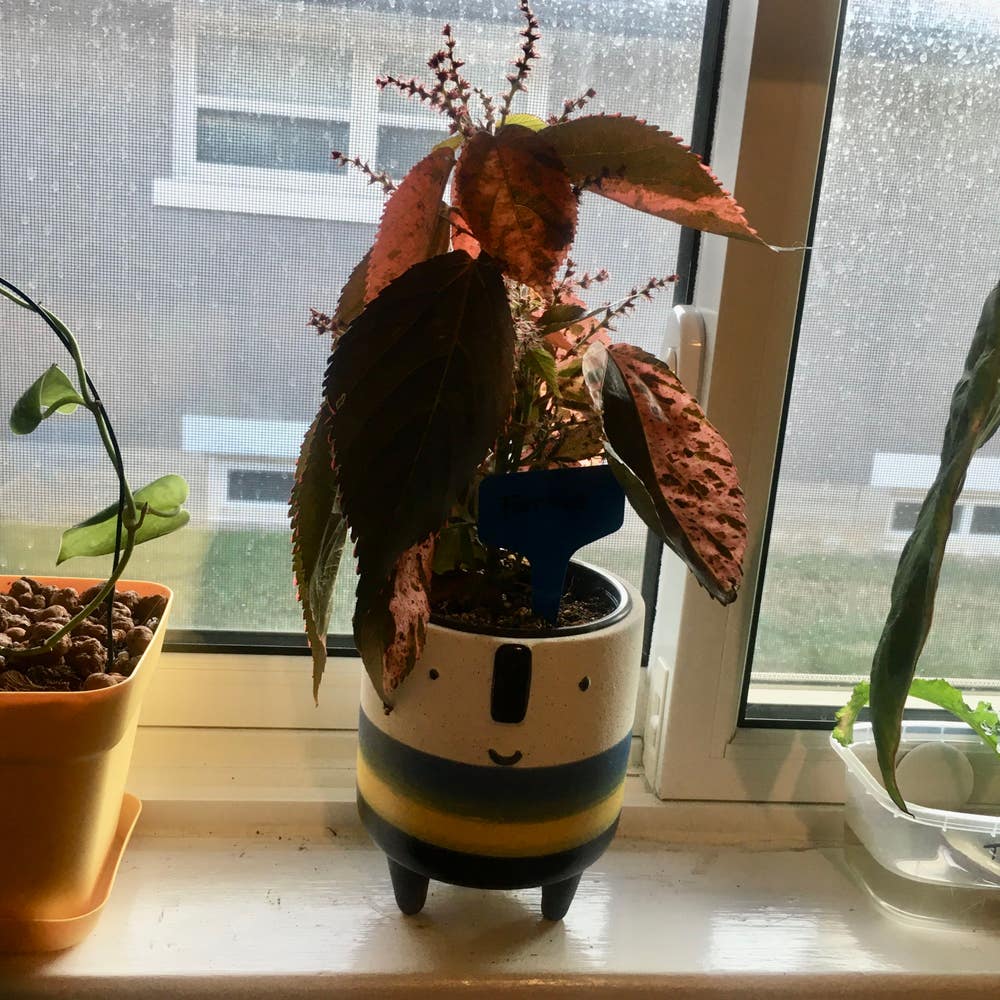
- Summer: Enjoy the full splendor of the Dwarf Chenille Plant with its vibrant red catkins and lush, dark green leaves.
- Autumn: The plant begins to prepare for dormancy. It's still important to provide good light to sustain it through the upcoming colder months.
- Winter: Growth may slow or pause as the plant enters full dormancy. This is a time for rest, not despair; your plant is gearing up for spring's resurgence.
Perennial Advantages for Gardeners
🌱 Longevity and Reduced Replanting
The Dwarf Chenille Plant's perennial classification means it's a long-term resident in your garden. Here's the scoop on how this plant's staying power benefits green thumbs:
- Enduring Presence: Once rooted, the Dwarf Chenille Plant sticks around, reducing the need for yearly replanting.
- Cost Efficiency: Over time, the savings on seeds and plants add up, making it a budget-friendly choice.
- Time Saver: Less replanting equals more time to enjoy your garden rather than laboring in it.
🌿 Robust Root Systems
A strong root system is like a treasure buried beneath your garden's surface. Here's how the Dwarf Chenille Plant's roots contribute to a healthier garden ecosystem:
- Soil Stability: Deep roots help prevent soil erosion, keeping your garden intact.
- Nutrient Uptake: A mature root network efficiently absorbs nutrients, bolstering plant health.
- Ecosystem Support: These roots can foster beneficial soil organisms, promoting a vibrant garden ecology.
Lifespan and Environmental Factors
🌱 Expected Lifespan in Gardens
Dwarf Chenille Plants, with their herbaceous perennial nature, typically grace gardens for about three years. Their longevity is influenced by several factors:
- Careful winter management: As the plant dies back to the crown, protecting the crown is crucial for spring regrowth.
- Optimal growing conditions: Ensuring the right balance of sunlight, water, and soil nutrients is key to maximizing lifespan.
- Environmental stressors: Protection from extreme temperatures and physical disturbances can prolong the plant's life.
🌍 Climate Influence on Perennial Traits
The perennial characteristics of Dwarf Chenille Plants are notably climate-dependent. Here's how different climates can shape their growth:
- Temperature extremes: Fluctuations between hot and cold can stress the plant, affecting its vigor and survival.
- Sunlight exposure: The amount and intensity of sunlight, which varies with climate, can alter growth patterns and flowering cycles.
- Regional dormancy triggers: In some climates, dormancy may be induced by shorter days or cooler temperatures, signaling the plant to conserve energy for the next season.
Cultivation Strategies
🌿 Enhancing Perennial Benefits
To make the most of the Dwarf Chenille Plant's perennial nature, consider these garden planning tips:
- Position the plant in a location that receives bright, indirect light, adapting as needed with the seasons.
- Choose companions that complement its growth pattern and flowering cycle, such as plants that provide contrasting textures or bloom at different times.
- Embrace its low, dense foliage by designing ground cover or edging that highlights its unique form.
🌱 Long-Term Care Considerations
Maintaining the Dwarf Chenille Plant's perennial vigor involves a few strategic practices:
- Water consistently to keep the soil moist, avoiding waterlogging to prevent root rot.
- Apply a balanced slow-release fertilizer in spring to nourish the plant without promoting excessive foliage over blooms.
- Prune carefully to encourage bushier growth and remove spent flowers, which spurs further blooming.
- Monitor for pests and diseases, intervening early with organic methods if needed.
- Protect the crown during late winter clean-up to avoid accidental damage as the plant prepares to regrow.
⚠️ Safety First
This content is for general information and may contain errors, omissions, or outdated details. It is not medical, veterinary advice, or an endorsement of therapeutic claims.
Always consult a qualified healthcare professional before using any plant as food, medicine, or supplement.
Never eat any plant (or feed one to pets) without confirming its identity with at least two trusted sources.
If you suspect poisoning, call Poison Control (800) 222-1222, the Pet Poison Helpline (800) 213-6680, or your local emergency service immediately.
Spotted an error? Please report it here.
Embrace your Dwarf Chenille's vibrant lifecycle year-round 🔄 with Greg's custom care plan ensuring it flourishes every season.