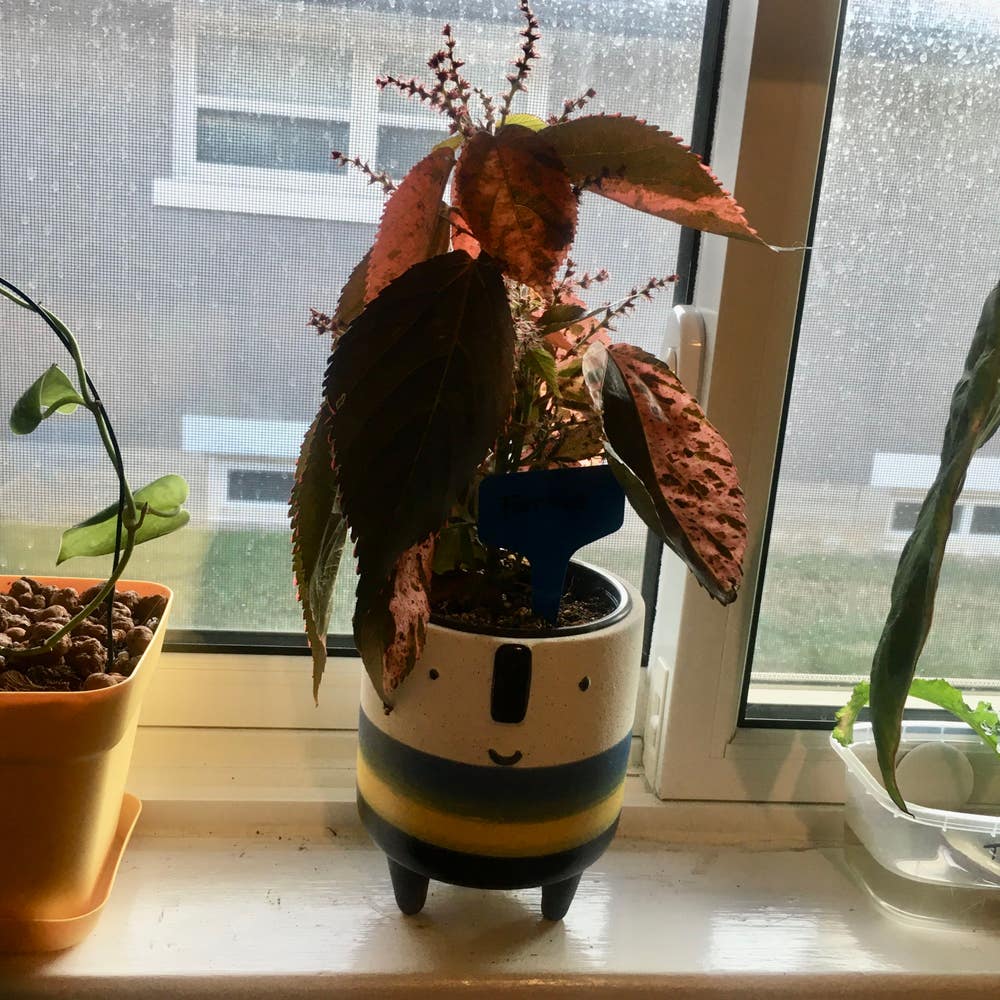
Understanding Why Dwarf Chenille Plant May Not Flower
Acalypha chamaedrifolia
By the Greg Editorial Team
Jul 23, 2024•5 min read
This article was created with the help of AI so we can cover more plants for you. May contain errors. See one? Report it here.
Unlock the secret to endless blooms 🌸 with your Dwarf Chenille Plant by mastering its unique bloom cycle!
- 🌸 Insufficient light, nutrients, stress hinder Dwarf Chenille's bloom.
- 💧🌡️ Consistent watering, temperature control prevent premature flower drop.
- ✂️ Proper pruning techniques ensure healthy flower development.
Bloom Cycle Basics
Dwarf Chenille Plants boast a generous bloom cycle, often displaying their vibrant red to deep pink flowers throughout the year. Understanding this cycle is crucial for gardeners who aspire to see their plants flourish.
- The natural bloom cycle of the Dwarf Chenille Plant is not strictly seasonal; it can produce flowers year-round in optimal conditions.
- Factors such as light exposure, temperature, and proper fertilization are pivotal in supporting this continuous flowering.
Recognizing the bloom cycle's nuances aids in pinpointing issues when flowers are absent. It's a bit like being a plant detective, where each clue can lead to a healthier, more vibrant plant.
- A year-round bloomer, the Dwarf Chenille Plant may still have periods of rest or slower flowering.
- Troubleshooting requires an awareness of the plant's unique cycle, including when it should be actively blooming versus when it's normal to see fewer flowers.
Failure to Bloom
🌸 Identifying the Issue
When your Dwarf Chenille Plant remains stubbornly flower-free, it's time to figure out why. Look for signs like vigorous leaf growth without any budding activity, which can indicate that the plant is not transitioning into its flowering phase.
🚫 Common Causes
Several factors can contribute to your plant's reluctance to bloom:
- Insufficient light: Dwarf Chenille Plants need bright, indirect light to thrive and flower. Dim conditions can leave them all leaves and no blooms.
- Nutrient deficiencies: Just like a balanced diet is essential for us, your plant needs the right mix of nutrients to produce flowers.
- Environmental stress: Fluctuations in temperature, humidity, or location can unsettle your plant, causing it to hold back on flowering.
🛠️ Solutions
To coax your Dwarf Chenille Plant into bloom, consider these adjustments:
- Optimizing light exposure: Ensure the plant receives bright, indirect sunlight. If natural light is lacking, especially in winter, supplement with grow lights.
- Adjusting fertilization: Use a balanced fertilizer to provide all the necessary nutrients. Over-fertilization can be just as harmful as a deficiency, so follow the recommended rates.
- Stabilizing care routines: Keep the plant's environment as consistent as possible. Abrupt changes can disrupt its bloom cycle, so aim for steady temperatures and humidity levels.
Premature Flower Drop
Recognizing Bud Drop
🌸 Premature flower loss in Dwarf Chenille Plants often manifests as buds that wither and fall before they have a chance to bloom. Look for signs such as buds turning brown, shriveling up, or dropping off the plant unexpectedly.
Likely Triggers
🚨 Several factors can trigger premature flower drop in Dwarf Chenille Plants:
- Inconsistent watering, either too much or too little, can stress the plant, leading to bud loss.
- Overfertilization can overwhelm the plant with nutrients, causing it to shed flowers.
- Pests and diseases can also lead to flower drop, as they weaken the plant and disrupt its normal growth processes.
Preventative Measures
🛡️ To prevent bud drop, consider these measures:
- Establish a regular watering schedule, ensuring the soil remains moist but not waterlogged.
- Use a balanced fertilizer according to the plant's growth stage and needs, avoiding over-application.
- Regularly inspect for pests and diseases and manage them promptly with appropriate treatments.
Abnormal Flower Development
🌸 Spotting Abnormalities
Abnormal flower development in Dwarf Chenille Plants can manifest as stunted blooms or discolored petals. It's essential to recognize these signs early to address the underlying issues effectively.
🌿 Contributing Factors
Several factors can contribute to abnormal flower development:
- Inadequate lighting: Just like us, plants need the right amount of sunlight to thrive. Too little light can leave flowers underdeveloped.
- Nutritional imbalances: A balanced diet is crucial, even for plants. Missing nutrients can lead to lackluster flowering.
- Pruning errors: Incorrect pruning may damage the plant's ability to flower properly.
🛠 Corrective Actions
To correct abnormal flower development, consider the following steps:
- Ensuring proper light levels: Dwarf Chenille Plants need bright, indirect light. Adjust their position to avoid too much direct sunlight, which can be just as harmful as too little.
- Providing a complete nutrient profile: Use a balanced fertilizer to address any nutritional deficiencies. Remember, more isn't always better—stick to recommended amounts.
- Adopting proper pruning techniques: Prune your plant at the right time and in the right way to encourage healthy flower development.
Encouraging Healthy Flowering
Bright, indirect light is the cornerstone of a Dwarf Chenille Plant's flowering. To ensure your plant gets the light it needs:
- Position it to receive direct morning sun and/or indirect afternoon sun, especially from a south- or west-facing window.
- Rotate the plant periodically for even light exposure, which promotes uniform flowering.
Nutrition plays a pivotal role in flower development. Here's how to get it right:
- Use a high-phosphorus liquid fertilizer every two weeks during spring and summer, diluting it by half.
- Adjust fertilization in winter when the plant's growth slows, to prevent nutrient overload.
Pruning is not just about maintaining shape; it's about encouraging vigor. To prune effectively:
- Snip away dead foliage and maintain the desired size.
- Time your pruning to complement the plant's natural bloom cycle, which can stimulate flowering.
Remember, consistency in care is your secret weapon. Keep a close eye on your plant's response to these adjustments, and you'll be on your way to enjoying the full blooming potential of your Dwarf Chenille Plant.
⚠️ Safety First
This content is for general information and may contain errors, omissions, or outdated details. It is not medical, veterinary advice, or an endorsement of therapeutic claims.
Always consult a qualified healthcare professional before using any plant as food, medicine, or supplement.
Never eat any plant (or feed one to pets) without confirming its identity with at least two trusted sources.
If you suspect poisoning, call Poison Control (800) 222-1222, the Pet Poison Helpline (800) 213-6680, or your local emergency service immediately.
Spotted an error? Please report it here.
Ensure your Dwarf Chenille Plant flourishes 🌺 with Greg's custom care plans, tailored to perfect your light and feeding schedule for unstoppable blooms!