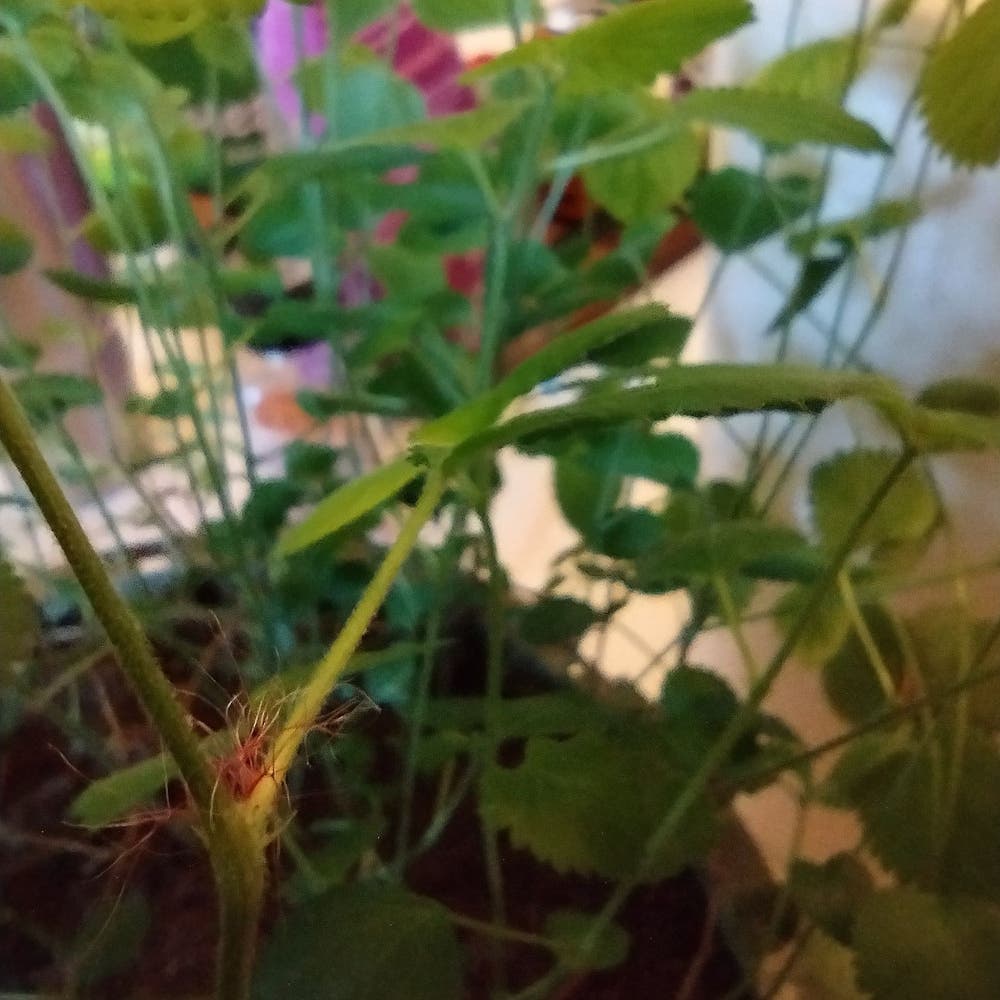
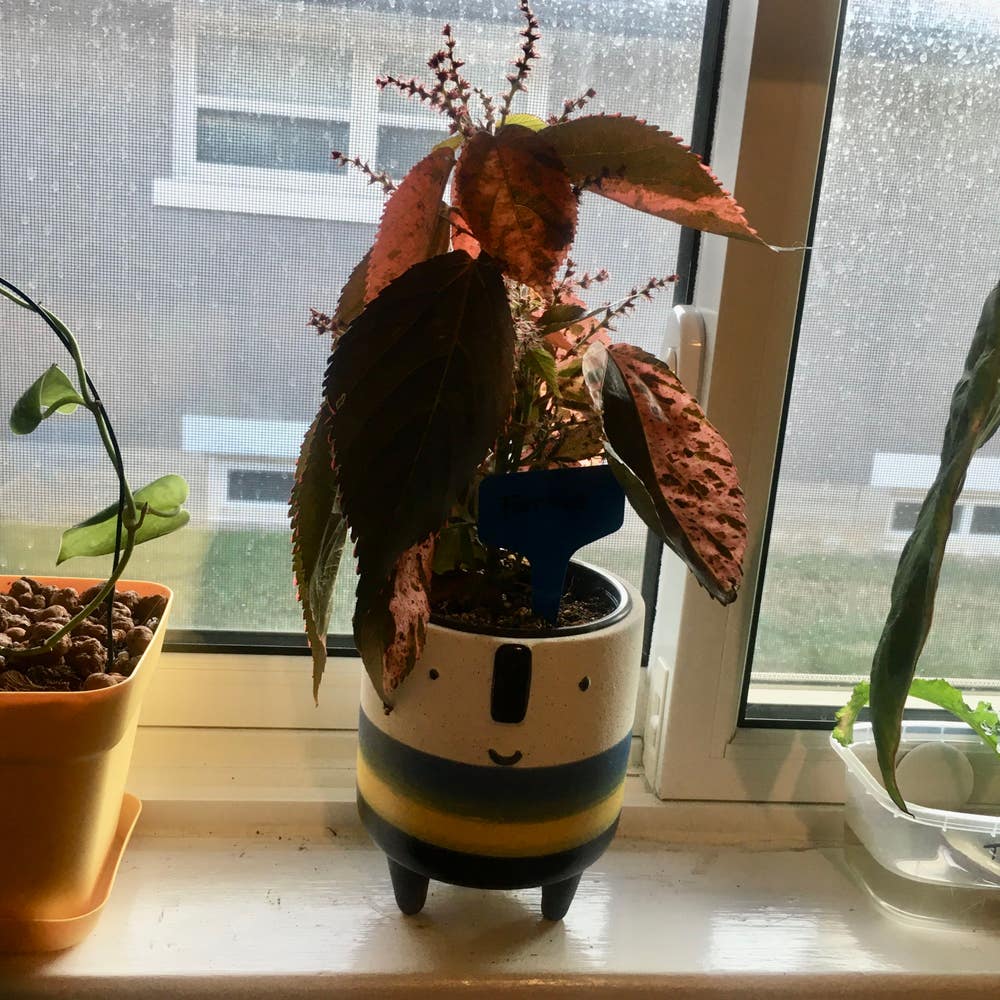
Ultimate Guide to Fixing Black Spots on Dwarf Chenille Plant
Acalypha chamaedrifolia
By the Greg Editorial Team
Jul 23, 2024•5 min read
This article was created with the help of AI so we can cover more plants for you. May contain errors. See one? Report it here.
Spot and stop black spots 🕵️ on your Dwarf Chenille Plant to keep it thriving and disease-free! 🌿
- 🍂 Black spots signal issues like fungal infections, bacteria, or environmental stress.
- 🌱 Treat with pruning, fungicides, or antibacterials depending on the cause.
- 💧 Prevent recurrence by adjusting watering, monitoring health, and controlling environment.
Identifying Black Spots
🕵️ Spot Characteristics
Black spots on Dwarf Chenille Plant leaves are the plant's distress signals. Look for irregular, dark lesions that might be mistaken for natural leaf patterns but are distinctly out of place. These spots can range from small, pinpoint blemishes to larger, more ominous patches, and they may be surrounded by a yellow or brownish discoloration.
🚨 Accompanying Symptoms
- Yellowing or wilting of the leaf around the black spot, suggesting the plant is under stress.
- A powdery or raised texture within the spot, hinting at fungal involvement.
- Mushy areas or an unpleasant odor near the spots, which could indicate rot.
- Translucent patches around the spots, often a sign of water-related issues.
- Check both the top and underside of leaves, as symptoms can vary and provide clues to the underlying cause.
Causes of Leaf Blight
🍄 Fungal Infections
Fungal pathogens are the usual suspects when it comes to black spots on Dwarf Chenille Plants. These microscopic troublemakers, including species like Cercospora and Alternaria, thrive in moist, humid conditions. They're particularly fond of environments where leaves remain wet for extended periods, which is often the result of overwatering or inadequate air circulation.
- Conditions favoring fungal growth:
- High humidity and prolonged leaf wetness
- Overwatering that leads to waterlogged soil
- Poor air circulation around the plant
🦠 Bacterial Issues
Bacterial infections, though less common, can also cause black spots. These infections may not have the yellow halo often associated with fungal spots, but they can appear as water-soaked lesions that later turn brown or black. A greasy look or even a foul odor can be telltale signs of a bacterial invasion.
- Differentiating bacterial from fungal infections:
- Absence of a yellow halo around the spots
- Water-soaked appearance progressing to brown or black
- Possible greasy texture and odor
🌿 Environmental Stressors
It's not all about pathogens; environmental stressors play a significant role too. Overwatering and poor soil drainage set the stage for both fungal and bacterial growth. Ensuring your Dwarf Chenille Plant has well-draining soil and is not sitting in excess moisture is crucial to preventing black spots.
- Preventing environmental stress:
- Avoid overwatering and ensure proper soil drainage
- Maintain good air circulation to reduce humidity around the plant leaves
- Monitor watering practices to match the plant's needs
Treating Black Spots
Fungal Remedies
When black spots on your Dwarf Chenille Plant are due to fungal issues, it's time for a targeted attack. Here's how to fight back:
- Prune Affected Leaves: Snip off the spotted leaves with sterilized shears to prevent the fungus from spreading. Think of it as removing the bad apples from the bunch.
- Apply Fungicides: Use fungicides like neem oil, potassium bicarbonate solutions, or a homemade mix of baking soda, water, and soap. Apply thoroughly to all plant parts, following the product's instructions to the letter.
- Consistency is Key: Treat your plant regularly, as if you're marking a critical, recurring appointment on your calendar.
🦠 Bacterial Management
Bacterial infections require swift and decisive action. Here's your game plan:
- Quarantine: Isolate the infected plant to protect the rest of your plant family.
- Remove and Dispose: Cut away the infected parts with the precision of a bonsai master and dispose of them securely.
- Antibacterial Treatments: Employ antibacterial solutions, ensuring you follow usage instructions meticulously.
💧 Correcting Watering Practices
Overwatering can invite unwelcome fungal guests. To keep your plant's feet dry and healthy, adjust your watering habits:
- Let the Soil Dry: Before watering again, check that the top inch of soil is dry to the touch.
- Improve Drainage: Ensure your plant's pot has adequate drainage holes and consider adding perlite or sand to the soil mix for better water flow.
Preventing Future Outbreaks
Monitoring and Maintenance
Regular plant check-ups are your first line of defense against black spots. Just like scrolling through your social media feed, make it a habit to inspect your Dwarf Chenille Plant often. Here's what to focus on:
- Inspect both the top and bottom of leaves for early signs of black spots.
- Sterilize your gardening tools regularly to prevent the spread of pathogens.
- Take immediate action at the first sign of trouble, such as removing affected foliage.
Environmental Control
Creating the right environment for your Dwarf Chenille Plant can significantly reduce the risk of black spots. Here are some tips to keep the environment spot-free:
- Maintain humidity at moderate levels; use a dehumidifier if necessary.
- Ensure good air circulation around the plant to discourage fungal growth.
- Provide bright, indirect light and avoid overcrowding to promote healthy air flow.
Soil and Fertilization
Healthy soil equals a healthy plant. To keep black spots at bay, consider these soil and fertilization practices:
- Opt for well-draining soil and amend with organic matter to improve structure.
- Fertilize based on soil test results to avoid over or under-feeding your plant.
- Avoid heavy, compact soils that retain too much moisture, which can encourage fungal growth.
⚠️ Safety First
This content is for general information and may contain errors, omissions, or outdated details. It is not medical, veterinary advice, or an endorsement of therapeutic claims.
Always consult a qualified healthcare professional before using any plant as food, medicine, or supplement.
Never eat any plant (or feed one to pets) without confirming its identity with at least two trusted sources.
If you suspect poisoning, call Poison Control (800) 222-1222, the Pet Poison Helpline (800) 213-6680, or your local emergency service immediately.
Spotted an error? Please report it here.
Eradicate black spots 🍂 on your Dwarf Chenille and prevent future issues with Greg's custom watering plans and community wisdom for plant-perfect care.