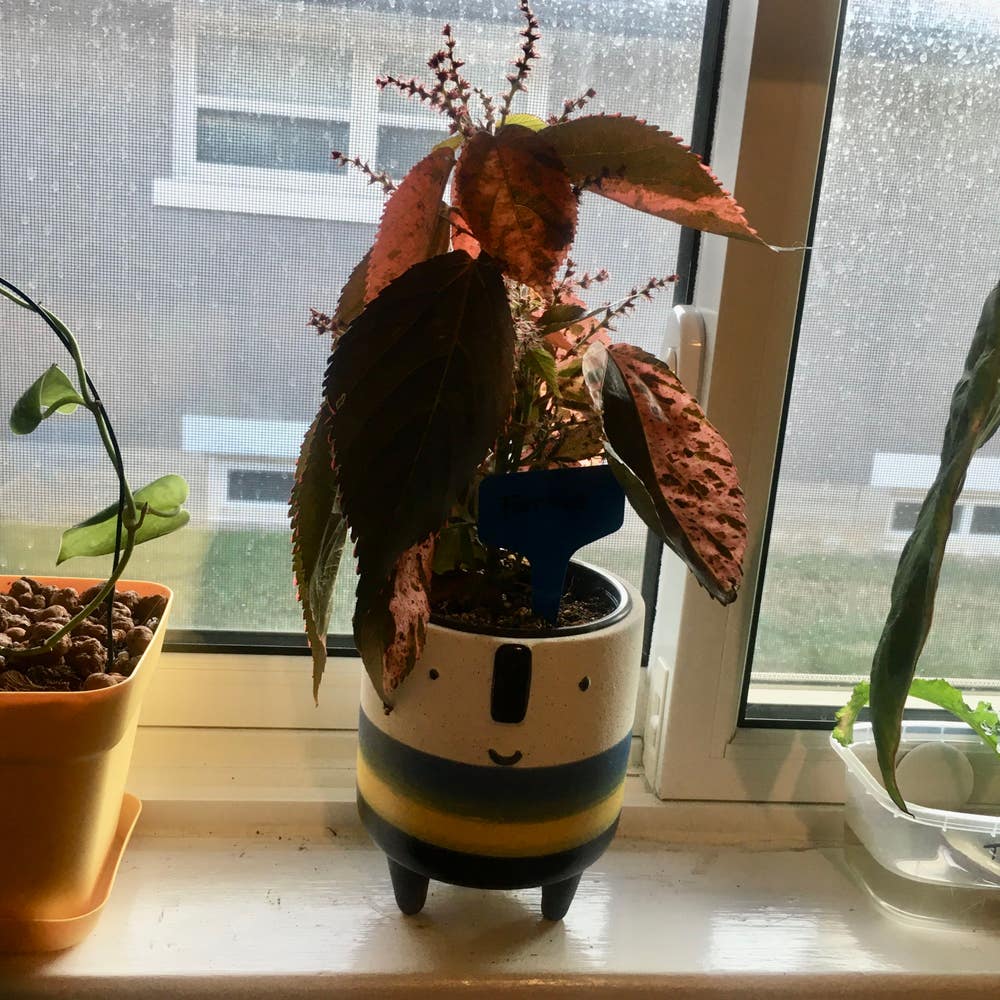
Step-by-Step Guide to Pruning Dwarf Chenille Plant
Acalypha chamaedrifolia
By the Greg Editorial Team
Jul 23, 2024•3 min read
This article was created with the help of AI so we can cover more plants for you. May contain errors. See one? Report it here.
Transform your Dwarf Chenille into a blooming work of art 🌿 with these simple, expert pruning tips.
- 🌿 Selective cutting shapes and maintains the Dwarf Chenille Plant's natural form.
- ✂️ Pinching and deadheading promote lush growth and vibrant blooms.
- 💧🌱 Post-pruning care is crucial for recovery and long-term health.
Pruning Techniques
🌳 Selective Cutting
Selective cutting is all about precision. It's like being a sculptor, carefully chiseling away to reveal the plant's best form. Here's how to do it:
- Identify any stems that are out of place, damaged, or diseased.
- Use sharp, clean shears to make cuts just above a leaf node or bud.
- Focus on maintaining the Dwarf Chenille Plant's natural shape while encouraging new growth.
🌿 Pinching and Thinning
To keep your Dwarf Chenille Plant lush and full, pinching and thinning are your go-to moves. They're like the plant's personal fitness routine, ensuring it stays in top shape.
- Pinch off the tips of new growth to promote bushiness.
- Thin out crowded areas by removing entire stems, which improves air circulation and light exposure.
🌱 Heading Back
Heading back is the technique to use when your Dwarf Chenille Plant starts getting a bit too ambitious in size. It's a bit like setting boundaries, letting the plant know it's time to grow sideways, not just up.
- Cut back the tips of longer stems to a node where you want new growth to emerge.
- This encourages the plant to develop more lateral branches, leading to a fuller appearance.
Deadheading Dwarf Chenille
🌺 Why Deadhead
Deadheading your Dwarf Chenille Plant isn't just about tidiness; it's a strategic move. By removing spent blooms, you redirect the plant's energy from seed production back to lush growth and more vibrant blooms. Think of it as helping your plant prioritize its resources for a show-stopping display.
🌸 Deadheading Steps
Follow these steps to keep your Dwarf Chenille Plant blooming beautifully:
- Wait for the flowers to fade. Once they lose their vibrant color, it's time.
- Use clean, sharp scissors or pruning shears for a clean cut.
- Snip the flower stem just above the first set of healthy leaves. This encourages new growth.
- Dispose of the spent blooms to prevent disease and pests.
- Repeat throughout the blooming season to maintain vigor and aesthetics.
Aftercare Post-Pruning
🌿 Immediate Care
After pruning your Dwarf Chenille Plant, it's crucial to jumpstart the healing process. Here's what you need to do right away:
- Gently water the plant to ease the stress of pruning and encourage recovery. Remember, moderation is key to prevent root rot.
- Clear away all pruning debris to deter fungal growth and pest infestation, keeping the plant's environment clean and healthy.
🌱 Long-Term Health
Pruning isn't just a one-time affair; it's part of your plant's ongoing wellness routine. To ensure your Dwarf Chenille thrives:
- Monitor for new growth, which signals a successful pruning. Adjust care as needed if you notice any signs of distress.
- Regularly check for pests or diseases, as early detection can make all the difference.
- Consider mulching to help maintain soil moisture and temperature, providing a stable environment for your plant's roots.
- Propagate healthy cuttings if you're feeling adventurous; it's a great way to expand your garden and share with friends.
⚠️ Safety First
This content is for general information and may contain errors, omissions, or outdated details. It is not medical, veterinary advice, or an endorsement of therapeutic claims.
Always consult a qualified healthcare professional before using any plant as food, medicine, or supplement.
Never eat any plant (or feed one to pets) without confirming its identity with at least two trusted sources.
If you suspect poisoning, call Poison Control (800) 222-1222, the Pet Poison Helpline (800) 213-6680, or your local emergency service immediately.
Spotted an error? Please report it here.
Achieve a masterfully pruned 🌿 Dwarf Chenille Plant with Greg's tailored care reminders, ensuring every cut promotes lush growth and vibrant blooms.