Getting Your Dwarf Chenille Plant to Bloom
Acalypha chamaedrifolia
By the Greg Editorial Team
Jul 23, 2024•2 min read
This article was created with the help of AI so we can cover more plants for you. May contain errors. See one? Report it here.
Experience the Dwarf Chenille's endless 🌺 bloom cycle and its irresistibly fuzzy flowers!
- 🌸 Dwarf Chenille blooms year-round with red to pink catkins that self-pollinate.
- 🌱 Encourage flowers with sunlight, consistent watering, and fertilizing.
- 🔄 Persistent display post-bloom; plant doesn't die, can reproduce vegetatively.
Does It Bloom?
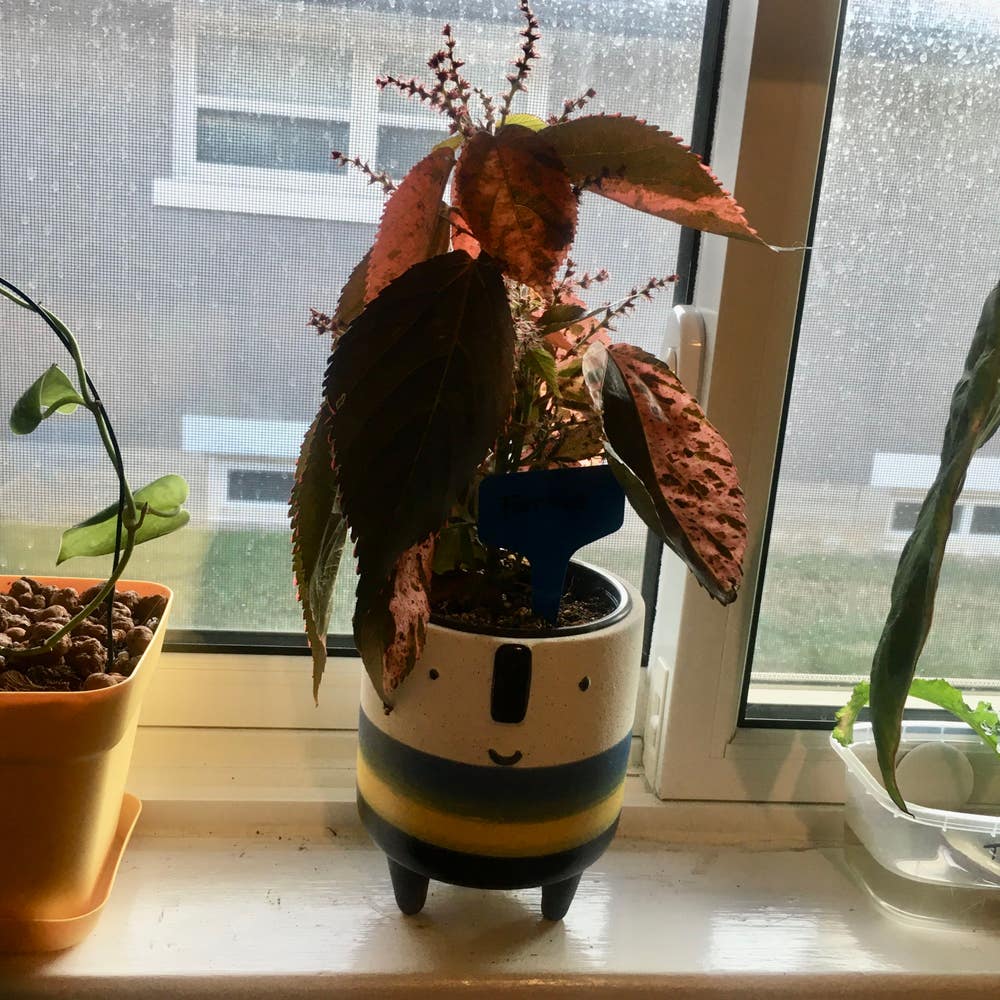
Yes, the Dwarf Chenille Plant is known for its captivating flowers. While its lush foliage is appealing, the bright red to deep pink flowers are the primary showstoppers, blooming year-round in suitable climates.
🌺 Flower Characteristics
The Dwarf Chenille Plant's flowers, or catkins, are a sight to behold with their fuzzy, elongated appearance. They rely on a combination of self-pollination and external pollinators to reproduce, ensuring their vibrant display is more than just ornamental.
🌸 Blooming Process
- The journey from bud to full bloom is a continuous spectacle, as this plant tends to bloom throughout the year.
- Once the bud forms, the flowers take a short period to unfurl fully, with each individual bloom gracing the plant for a considerable time before fading.
🌼 Encouraging Blooms
To maximize the Dwarf Chenille Plant's blooming potential:
- Ensure it receives ample sunlight; it's like flipping the switch on for a floral light show.
- Maintain consistent watering and fertilizing routines to support its vigorous flowering.
🌿 Post-Flowering Phase
After the flowers have had their moment, they gracefully retire, but the plant itself remains. Unlike some species, the Dwarf Chenille Plant does not die after flowering, ensuring a persistent display of its charming foliage.
🌱 Reproduction Without Flowers
In the absence of flowers, the Dwarf Chenille Plant can still reproduce. It is capable of vegetative propagation, where new plants are produced from cuttings or other plant parts, ensuring its lineage continues.
Unique Flowering Traits
The Dwarf Chenille Plant, with its vibrant and tactile blooms, offers a feast for the senses unlike any other. Its flowers, resembling soft, fuzzy caterpillars, are not only a visual spectacle but also a tactile experience.
🦋 Unusual Characteristics
- The blooms come in a striking array of colors, from deep reds to bright pinks, each with a velvety texture that invites touch.
- Unlike many plants, the Dwarf Chenille doesn't rely on fragrance to attract pollinators; its flowers are showy and fragrant, making it a dual delight.
🔄 Life Cycle Relationship
- Flowering is a critical phase in the Dwarf Chenille's life cycle, signaling maturity and readiness for reproduction.
- The plant's unique ability to produce a profusion of blooms even in less than ideal conditions speaks to its resilience and adaptability.
- After the blooming extravaganza, the plant continues its cycle, focusing on growth and energy storage for the next flowering season.
⚠️ Safety First
This content is for general information and may contain errors, omissions, or outdated details. It is not medical, veterinary advice, or an endorsement of therapeutic claims.
Always consult a qualified healthcare professional before using any plant as food, medicine, or supplement.
Never eat any plant (or feed one to pets) without confirming its identity with at least two trusted sources.
If you suspect poisoning, call Poison Control (800) 222-1222, the Pet Poison Helpline (800) 213-6680, or your local emergency service immediately.
Spotted an error? Please report it here.
Achieve persistent blooms 🌺 with your Dwarf Chenille Plant by following Greg's tailored sunlight and watering schedules, ensuring a dazzling display of catkins all year round.