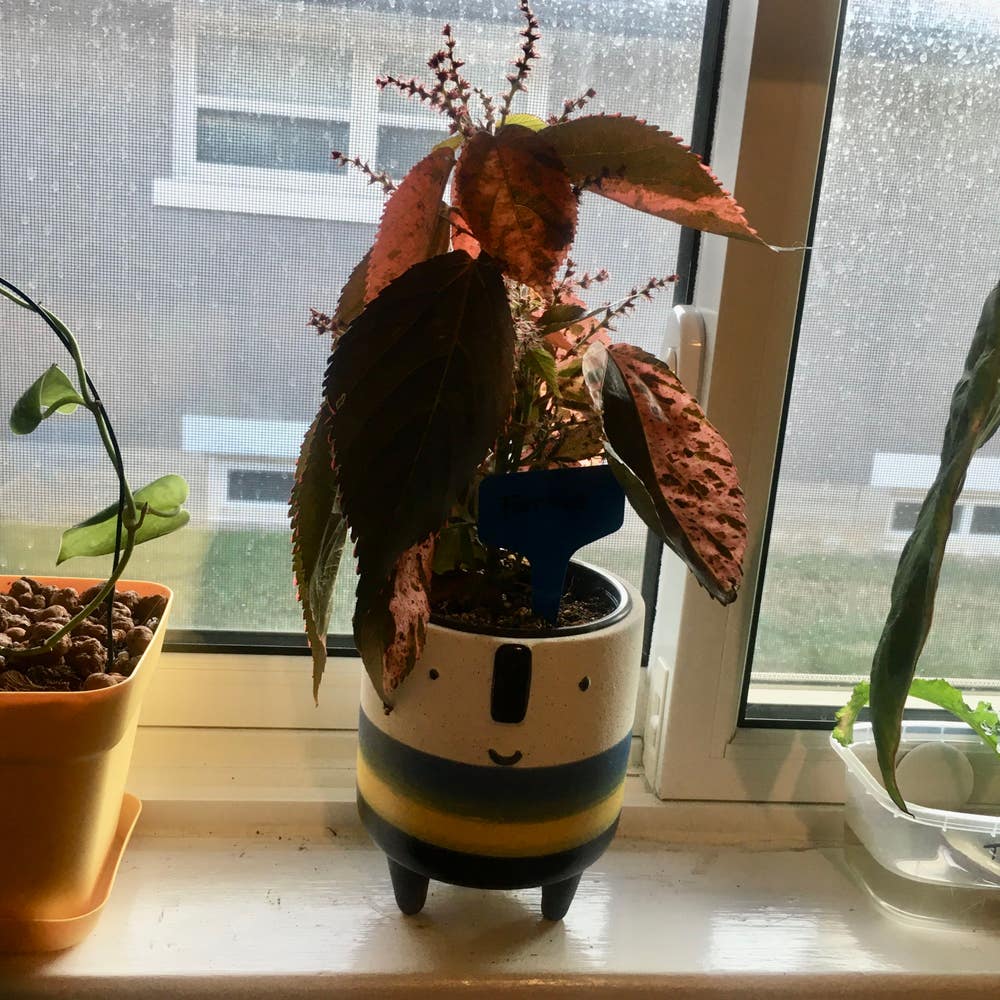
Dwarf Chenille Plant: Not an Annual
Acalypha chamaedrifolia
By the Greg Editorial Team
Jul 23, 2024•4 min read
This article was created with the help of AI so we can cover more plants for you. May contain errors. See one? Report it here.
Embrace Dwarf Chenille's 🌿 perennial charm for a sustainable, vibrant garden year after year.
- 🌱 Dwarf Chenille is perennial, living beyond two years with seasonal flowering.
- 🌿 Sustainable gardening benefits include carbon sequestration and water conservation.
- ❄️ Misconceptions due to cold climates; with care, it can survive winters.
Perennial vs. Annual
🏃♂️ Defining Plant Lifecycles
Annual plants, like a sprinter running a single race, complete their life cycle within one growing season—sprouting, flowering, seeding, and dying off. Perennials, on the other hand, are the marathon runners of the plant world, enduring year after year, rejuvenating from their root systems even if the top growth dies back.
🌿 Dwarf Chenille's Perennial Traits
The Dwarf Chenille Plant, contrary to some mistaken identities, is a perennial champion. Its traits include:
- A robust root system that empowers it to bounce back each spring.
- A lifecycle extending beyond two years, defying the annuals' one-season curtain call.
- The ability to flower repeatedly across seasons, unlike annuals that have their floral finale within a single year.
Perennial Growth Patterns
🌱 Dwarf Chenille's Lifecycle
Dwarf Chenille Plants boast a robust lifecycle that spans multiple years, distinguishing them from the fleeting existence of annuals. Here's how they stand out:
- They typically thrive for about three years, showcasing a medium growth rate.
- Each winter, the foliage dies back to the crown, with a vigorous resurgence from the base come spring.
🌸 Flowering and Reproduction
The flowering and reproductive strategies of Dwarf Chenille Plants are hallmarks of their perennial status:
- Unlike annuals that bloom and set seed within one growing season, Dwarf Chenille Plants display a more prolonged and sustainable reproductive cycle.
- They maintain a low, dense foliage from which blooms can emerge repeatedly over the years, ensuring a lasting presence in your garden.
Perennial Care Advantages
🌱 Sustainable Gardening
The Dwarf Chenille Plant, with its perennial status, is a boon for eco-conscious gardeners. Its long-lived nature means less replanting and reduced waste, aligning well with sustainable gardening principles. Here's how:
- Carbon Sequestration: Like other perennials, Dwarf Chenille may help in trapping atmospheric carbon, contributing to climate change mitigation.
- Water Conservation: Established perennials typically require less watering than annuals, making Dwarf Chenille a drought-resilient choice.
- Reduced Maintenance: As a perennial, it demands less frequent replacement, saving time and resources.
🌿 Longevity in Landscaping
Incorporating Dwarf Chenille into your garden design not only adds a splash of color but also ensures a lasting structure. To maximize its longevity:
- Strategic Positioning: Use it as a 'filler' in container combinations or as a low, dense ground cover that remains vibrant year-round.
- Companion Planting: Pair with plants of varying textures to create a balanced, visually appealing garden composition.
- Soil and Sunlight: Plant in areas with average to moist soil conditions and full to partial sun exposure for optimal growth.
Misconceptions and Regional Variations
🌿 Clarifying Confusion
The Dwarf Chenille Plant often falls victim to mistaken identity. Despite its lush foliage and vibrant flowers, it's wrongly pegged as an annual. Here's the truth: its ability to endure multiple seasons classifies it firmly as a perennial. This mix-up usually stems from its annual-like behavior in colder climates, where it doesn't survive the winter without intervention.
🌍 Regional Treatment as Annual
In some regions, the Dwarf Chenille Plant is treated as an annual, but it's not due to its genetics. It's about survival. In areas where temperatures plummet, the plant may not make it through the winter. Gardeners in these zones might choose to replace it yearly. However, with proper care, such as bringing it indoors or mulching heavily, the Dwarf Chenille Plant can surprise you, returning year after year.
Maximizing Perennial Benefits
🌿 Care Strategies for Longevity
To ensure your Dwarf Chenille Plant thrives year after year, adopt these targeted care strategies:
- Consistent Watering and Lighting: Provide bright, indirect light and maintain soil moisture without overwatering to prevent root rot.
- Protect the Crown: During winter, the plant may die back to the crown. Avoid disturbing this area, as it's the plant's lifeline for spring regrowth.
- Pest and Disease Vigilance: Regularly inspect for pests and diseases, using treatments like insecticidal soap or neem oil as preventive measures.
- Fertilization: Apply a balanced, all-purpose liquid fertilizer in spring and summer, reducing frequency in the fall and avoiding winter fertilization.
🌱 Seasonal Considerations
Align your care routine with the seasons to complement the Dwarf Chenille Plant's natural cycle:
- Spring and Summer: Focus on growth by providing regular watering and fertilization.
- Fall: Begin to reduce watering and stop fertilizing as the plant prepares for dormancy.
- Winter: If indoors, ensure ample light and humidity with reduced water and fertilizer. For outdoor plants, mulch around the base to protect from frost.
- Post-Bloom Care: After flowering, cut back on watering and fertilization to allow the plant to rest.
⚠️ Safety First
This content is for general information and may contain errors, omissions, or outdated details. It is not medical, veterinary advice, or an endorsement of therapeutic claims.
Always consult a qualified healthcare professional before using any plant as food, medicine, or supplement.
Never eat any plant (or feed one to pets) without confirming its identity with at least two trusted sources.
If you suspect poisoning, call Poison Control (800) 222-1222, the Pet Poison Helpline (800) 213-6680, or your local emergency service immediately.
Spotted an error? Please report it here.
Nurture your Dwarf Chenille to flourish year-round 🌱 with Greg's seasonal care reminders, ensuring it's never mistaken for an annual again!