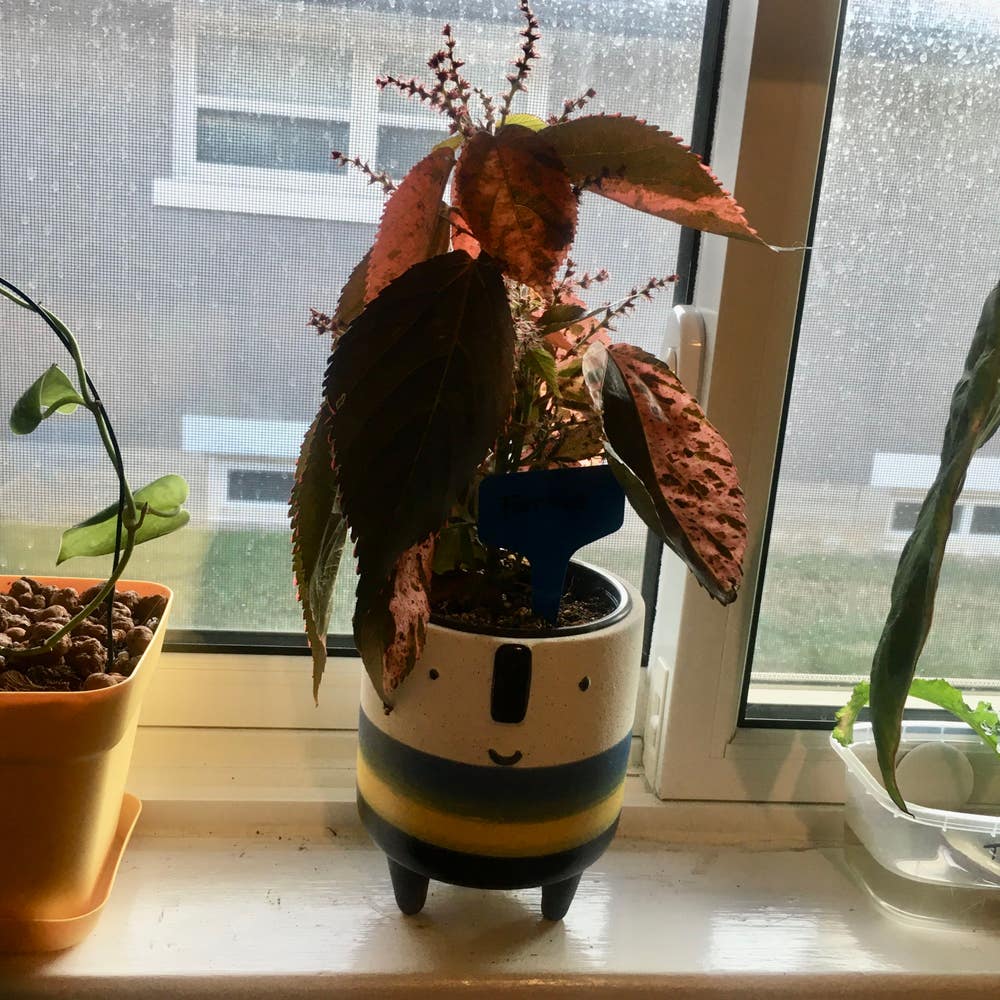
Acalypha reptans Care: Preventing and Treating Root Rot
Acalypha chamaedrifolia
By the Greg Editorial Team
Jul 24, 2024•4 min read
This article was created with the help of AI so we can cover more plants for you. May contain errors. See one? Report it here.
Stop root rot in its tracks and keep your Acalypha reptans thriving with expert tips! 🌿💧
- 🚿 Balance moisture; avoid soggy soil to prevent root rot in Acalypha reptans.
- 🌱 Well-draining soil and pots with drainage holes are crucial.
- 🍂 Treat root rot by removing affected roots and using fungicides.
Preventing Root Rot
💧 Watering Techniques
Watering your Acalypha reptans just right is a bit of an art form. Here's how to master it:
- Establish a watering routine that keeps the soil consistently moist but not soggy. Stick your finger an inch into the soil; if it's dry, it's time to water.
- Use tools like moisture meters to take the guesswork out of watering, ensuring you're not overdoing it.
🌱 Soil and Drainage
Choosing the right soil and pot is a game-changer for preventing root rot:
- Opt for well-draining soil mixes that include ingredients like perlite or coarse sand to promote airflow and water movement.
- Always use pots with drainage holes to avoid water accumulation at the bottom, and consider repotting every couple of years to refresh the soil and prevent compaction.
🌿 Environmental Management
Your plant's environment is key to keeping root rot at bay:
- Ensure proper air circulation around your Acalypha reptans to help soil dry out more evenly.
- Adjust your watering habits with the seasons—plants typically need less water in the cooler months and more as temperatures rise.
Identifying Root Rot
Recognizing Symptoms 🚨
Root rot in Acalypha reptans can be stealthy, but certain signs don't lie. Here's what to watch for:
- Wilting and yellowing leaves, despite adequate watering, can be a distress call from your plant.
- Stunted growth or a lack of blooming might indicate that your plant's roots are struggling.
- Roots that are brown and mushy instead of firm and white are a classic symptom of rot.
Confirming Diagnosis 🔍
To confirm your suspicions, a closer look at the roots is essential:
- Gently remove your plant from its pot and inspect the roots. Healthy roots are firm and light-colored.
- A foul smell or a soil that feels swampy are strong indicators of root rot.
- If you're unsure, consider consulting with a plant diagnostic lab for expert analysis.
Treating Root Rot
Immediate Actions
When root rot strikes Acalypha reptans, time is of the essence. Here's what to do:
- Isolate the plant to prevent disease spread.
- Remove the plant from its pot, gently shake off the soil, and inspect the roots.
- With sterilized shears, cut away all rotted roots; healthy roots are firm and white.
- Rinse the remaining roots with a fungicide solution or a diluted bleach alternative.
- Repot the plant in fresh, sterile, well-draining soil and a clean pot with proper drainage.
🌱 Soil and Water Adjustments
Post-treatment care is critical for recovery:
- Modify your watering schedule to only water when the top inch of soil is dry.
- Consider soil amendments like perlite or sand to enhance drainage and aeration.
🍄 Fungal Management
Fungal pathogens are tenacious, but you can fight back:
- Apply a fungicide to the soil as directed, especially if the root rot was severe.
- For a more natural approach, consider beneficial mycorrhizae or neem oil.
- Keep the plant environment dry and well-ventilated to discourage fungal growth.
Maintaining Plant Health
Ongoing Care
Vigilance is key in preventing the return of root rot in Acalypha reptans. Here's how to keep your plant thriving:
- Regularly check for wilting, yellowing leaves, or a mushy stem base, as these can be indicators of root rot making a comeback.
- Adjust your care routine based on the plant's response. If you notice signs of stress, reassess watering frequency and ensure the plant is not sitting in soggy soil.
🦺 Proactive Measures
Taking proactive steps can prevent root rot and promote a resilient Acalypha reptans:
- Inspect the roots during repotting for any signs of decay or a foul smell, which are telltale symptoms of root rot.
- Keep a care log to track watering, fertilizing, and any changes in the plant's environment. This can help you pinpoint what works best for your Acalypha reptans and adjust care accordingly.
⚠️ Safety First
This content is for general information and may contain errors, omissions, or outdated details. It is not medical, veterinary advice, or an endorsement of therapeutic claims.
Always consult a qualified healthcare professional before using any plant as food, medicine, or supplement.
Never eat any plant (or feed one to pets) without confirming its identity with at least two trusted sources.
If you suspect poisoning, call Poison Control (800) 222-1222, the Pet Poison Helpline (800) 213-6680, or your local emergency service immediately.
Spotted an error? Please report it here.
Prevent root rot and keep your Acalypha reptans flourishing with customized 🌱 watering plans and health tracking from Greg.