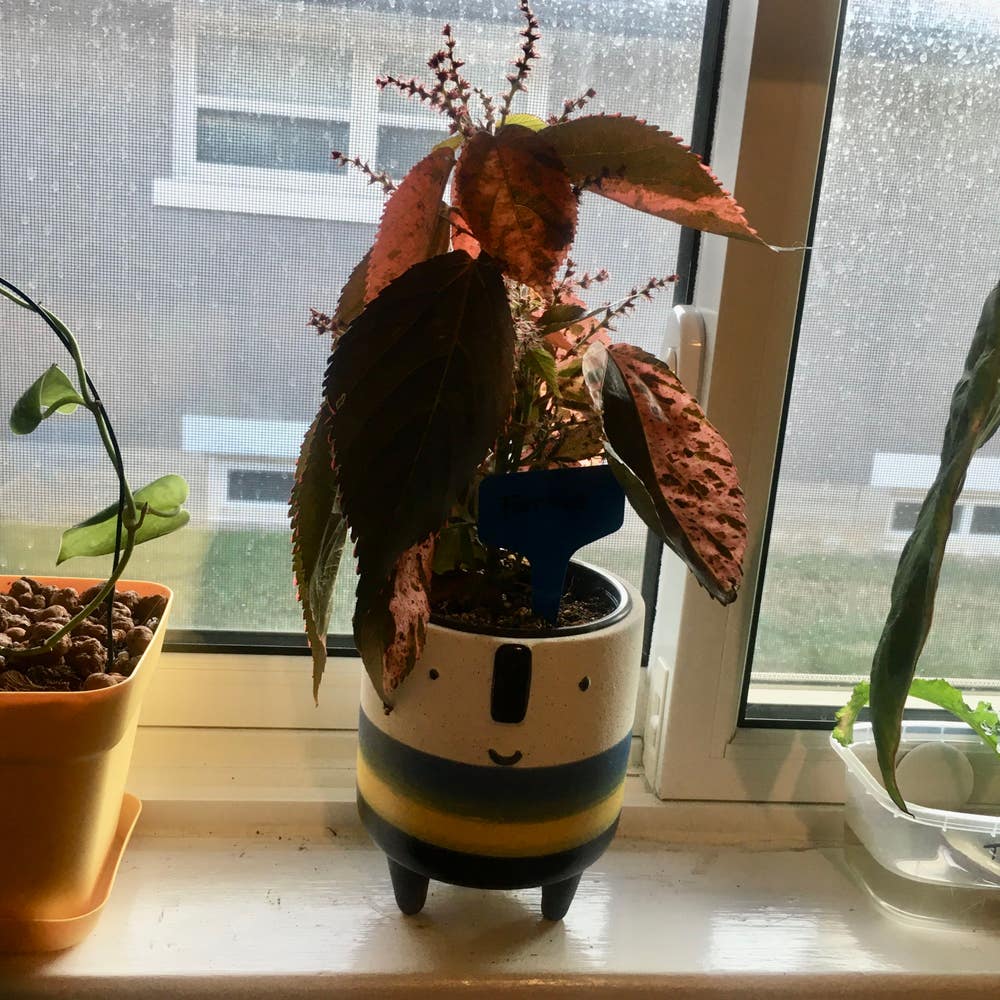
When and Where to Prune Your Acalypha reptans
Acalypha chamaedrifolia
By the Greg Editorial Team
Jul 23, 2024•5 min read
This article was created with the help of AI so we can cover more plants for you. May contain errors. See one? Report it here.
Shape a healthier, lusher Acalypha reptans with savvy pruning tips—beauty and vigor in every snip! 🌿
- 🌿 Prune in spring/summer for health and dense growth; avoid winter to ensure recovery.
- ✂️ Use proper techniques like pinching, thinning, and shaping for plant vigor and beauty.
- 🌸 Deadheading encourages blooms; maintain tools for effective pruning and plant health.
Pruning Basics
Acalypha reptans, with its free-flowing fuzzy red blooms and lush green foliage, thrives with regular pruning. This not only maintains its compact, attractive appearance but also bolsters its health.
- Growth Habit: Acalypha reptans is a fast-growing plant that can become leggy without proper care. Pruning encourages a denser, more controlled growth, preventing the plant from becoming straggly.
- Health Benefits: Removing dead or diseased tissue is crucial for preventing the spread of infections and pests. It also improves air circulation within the plant, reducing the risk of fungal diseases.
- Aesthetic Appeal: Strategic pruning shapes the plant, enhancing its natural beauty and ensuring that it complements your space. It's like giving your plant a haircut to showcase its best features, making it a standout in your garden or home.
Pruning is not just a chore; it's an opportunity to connect with your plant and guide its growth. Remember, each snip is a step towards a more vibrant Acalypha reptans.
Optimal Pruning Times
Spring and summer are the prime seasons for pruning your Acalypha reptans. These warmer months coincide with the plant's active growth phase, providing the perfect opportunity for it to heal and thrive post-pruning.
- Look for new growth as a clear indicator that your Acalypha reptans is ready for a trim.
- Yellowing leaves are a sign to prune away; they're draining the plant's energy and are no longer beneficial.
Avoid pruning in the winter. The plant's energy is lower, and it may not recover as well from pruning during this dormant phase. Keep an eye out for leggy stems and sparse leaves, as these are signs that your plant could use a little grooming.
Pruning Techniques
Pinching for Density
Pinching is a gentle yet effective way to encourage a fuller appearance in Acalypha reptans. Here's how to do it:
- Identify new growth and pinch off the tips, just above a set of leaves.
- The best time for pinching is during the spring when the plant is actively growing.
Thinning for Health
Thinning helps improve air circulation and light penetration, which are vital for plant health. Follow these steps:
- Start by removing any dead or diseased branches at their base.
- Continue by selectively cutting back overgrown areas to balance the plant's overall structure.
🌿 Shaping for Beauty
To maintain an attractive shape, consider these strategies:
- Trim more heavily in dense areas to create a balanced silhouette.
- Always keep the natural form of Acalypha reptans in mind while pruning.
Deadheading for Blooms
Deadheading Acalypha reptans is a straightforward way to boost its bloom production. Let's dive into the how-to.
- Why Deadhead: Removing spent blooms redirects the plant's energy towards producing fresh flowers, rather than developing seeds.
- When to Deadhead: As soon as you notice flowers fading or wilting, it's time to deadhead.
🌺 Step-by-Step Guide to Deadheading Acalypha reptans
- Inspect the plant for spent blooms.
- Use clean, sharp scissors or pruning shears.
- Cut the stem of the spent flower just above the first set of healthy leaves.
- Dispose of the removed blooms to prevent disease and pests.
- Regularly check the plant for new blooms to deadhead.
By following these steps, you'll keep your Acalypha reptans looking tidy and encourage a more vibrant and prolonged display of flowers.
Pruning Tools and Care
🛠️ Selecting the Right Tools
Proper pruning starts with the right tools. Here’s what you need for Acalypha reptans:
- Sharp pruning shears: For precise cuts that promote healthy regrowth.
- Fine-edged scissors: Ideal for delicate snipping on smaller stems.
- Gloves: To protect your hands from any potential irritants.
- Safety glasses: To shield your eyes from flying debris during pruning.
🧰 Maintaining Your Tools
Keeping your pruning tools in top shape is as crucial as the pruning itself. Here's how to maintain them:
- Clean after use: Wipe blades with alcohol to prevent disease spread.
- Inspect regularly: Look for signs of wear or damage and sharpen as needed.
- Store properly: Keep tools dry and in a safe place to avoid rust and damage.
- Lubricate hinges: A drop of oil ensures smooth operation and prevents sticking.
Remember, well-maintained tools lead to healthier plants and a more enjoyable pruning experience.
Pruning Best Practices
Pruning your Acalypha reptans isn't just about keeping it tidy—it's a crucial step in ensuring its health and vibrancy. Here's how to do it right:
- Use the Right Technique: Always cut at a 45-degree angle just above a leaf node or bud to promote healthy new growth. Avoid cutting too close to the bud to prevent damage.
- Keep Tools Sharp: Dull tools can crush plant tissues, leading to disease and poor growth. Sharpen your shears regularly for clean cuts.
- Cleanliness is Key: Clean your tools before and after use to prevent the spread of disease. A simple wipe with alcohol can do the trick.
- Prune at the Right Time: For Acalypha reptans, the best time to prune is in the spring or early summer when the plant is actively growing.
- Avoid Over-Pruning: It's tempting to keep snipping, but over-pruning can stress the plant. Aim to remove no more than one-third of the plant at a time.
- Watch for Pests and Diseases: Before you start, inspect your plant for any signs of trouble and address those issues first.
- Consider the Plant's Needs: Each plant has its own pruning requirements. Understand what Acalypha reptans needs to maintain its natural shape and health.
Remember, pruning is as much an art as it is a science. With each snip, you're guiding your Acalypha reptans towards its best self. So take your time, be mindful of each cut, and watch your plant thrive.
⚠️ Safety First
This content is for general information and may contain errors, omissions, or outdated details. It is not medical, veterinary advice, or an endorsement of therapeutic claims.
Always consult a qualified healthcare professional before using any plant as food, medicine, or supplement.
Never eat any plant (or feed one to pets) without confirming its identity with at least two trusted sources.
If you suspect poisoning, call Poison Control (800) 222-1222, the Pet Poison Helpline (800) 213-6680, or your local emergency service immediately.
Spotted an error? Please report it here.
Ensure your Acalypha reptans is always at its best with Greg's personalized reminders to prune like a pro ✂️ at the optimal time and technique!