6 Tips for Blooming Your Acalypha reptans
Acalypha chamaedrifolia
By the Greg Editorial Team
Jul 23, 2024•6 min read
This article was created with the help of AI so we can cover more plants for you. May contain errors. See one? Report it here.
Unveil the subtle charm of Acalypha reptans' blooms and cultivate your own garden star. 🌺🌿
- 🌺 Crimson blooms add color to gardens; Dwarf Chenille's flowers are small but vibrant.
- 🌱 Optimal conditions and care like soil, light, and pruning encourage blooming.
- 🐝 Pollination and propagation possible through insects, cuttings, or seeds.
Flowering Explained
🌺 Does It Bloom?
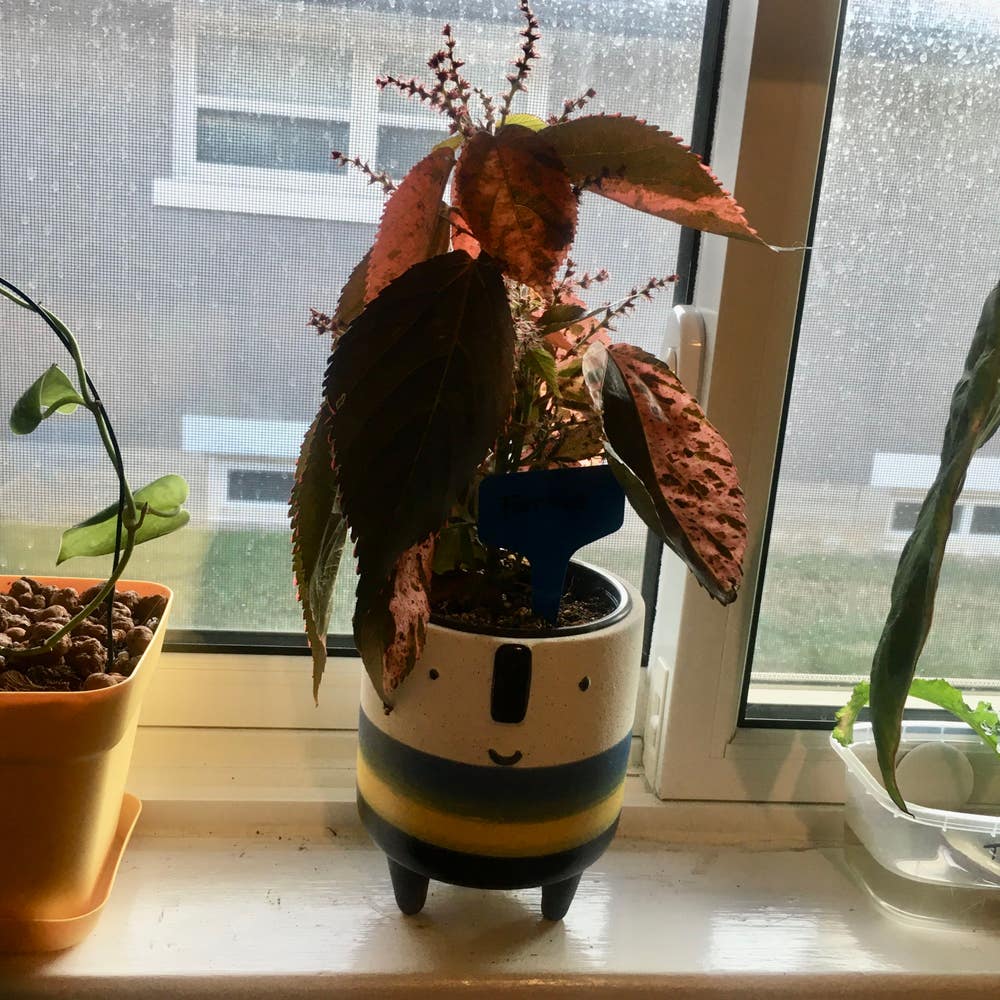
Acalypha reptans, also known as Dwarf Chenille, graces gardens with its unique, chenille-like crimson blooms. Yes, it does flower, and its slender branches showcase these vibrant blooms, adding a splash of color to both indoor and outdoor settings.
🌼 Flower Characteristics
The flowers of Acalypha reptans are a spectacle of color and form. Here's what sets them apart:
- Color: The blooms exhibit a rich crimson hue that can captivate any plant enthusiast.
- Structure: Each flower is small, with a 4-lobed calyx and 4 stamens bearing pale yellow anthers. They grow on long, cylindrical spikes, adding to the plant's ornamental charm.
- Pollination: While the reference excerpts don't directly state the pollination type of Acalypha reptans, similar species often rely on external pollinators or can be self-pollinating. The exact mechanism for Acalypha reptans would require further observation or research.
Blooming Process
🌸 Stages of Bloom
Acalypha reptans, with its discreet charm, undergoes a captivating transformation from bud to bloom. The journey begins with tiny buds, barely noticeable among the foliage. As they mature, these buds swell and gradually unfurl, revealing the plant's understated flowers. This progression mirrors a natural crescendo, culminating in a full display of blooming splendor.
🕰️ Bloom Duration
The ephemeral nature of Acalypha reptans's flowers adds to their allure. Typically, each flower graces the garden with its presence for a fleeting period before wilting away. Factors such as light intensity, ambient temperature, and the plant's overall health play pivotal roles in determining how long the blooms last. To maximize this period, ensure the plant receives ample sunlight and is not subject to extreme conditions that could hasten the flowers' demise.
Encouraging Flowering
🌸 Optimal Conditions
To coax Acalypha reptans into the spotlight with vibrant blooms, consider the soil as the foundation of your plant's performance. Aim for a well-draining mix, akin to a superstar's dressing room, ensuring it's comfortable and primed for showtime. Here's how to hit the sweet spot:
- Soil: Blend standard potting soil with peat moss to achieve that perfect balance of drainage and moisture retention.
- Light: Like the lead singer in a band, light commands the stage. Provide full to part sun to encourage flowering, noting that too much shade may result in an underwhelming performance.
- Water: Keep the soil consistently moist but not waterlogged. Think of watering as the rehearsal schedule—regular but not overdone.
🌱 Growth Influencers
Beyond the basics, fine-tuning your care routine can be the difference between a standing ovation and a silent auditorium. Here's how to influence your Acalypha reptans to take center stage with blooms:
- Fertilization: Use a balanced fertilizer at half-strength during the growing season. It's like a vocal coach for your plant, encouraging it to hit the high notes without straining.
- Pruning: Snip off spent blooms to encourage an encore performance. It's a gentle reminder to your plant that the show must go on.
- Pest Control: Keep an eye out for pests that can hijack your plant's debut. A regular spritz with a leaf conditioner can keep these critters from stealing the limelight.
Remember, patience is part of the process. With these tips, you're not just growing a plant; you're nurturing a star.
After the Flowers
Plant's Response
After Acalypha reptans blooms, the plant does not undergo a death bloom; it remains vibrant and continues its growth cycle. The post-bloom phase is a time for the plant to recover and prepare for future growth.
- The flowers, once spent, will fade and drop, making way for new growth.
- Unlike some monocarpic plants that die after flowering, Acalypha reptans will persist, focusing its energy on leaf production and overall health.
🌺 Pollination and Propagation
Acalypha reptans is not self-pollinating and relies on external agents like insects for pollination. After successful pollination, the plant can produce seeds, but it also has asexual means of reproduction.
- Propagation is commonly achieved through cuttings, allowing gardeners to clone the parent plant.
- Seeds, if produced, can be collected and sown to grow new plants, though this method is less common due to the ease of vegetative propagation.
Non-Flowering Traits
🌿 Ornamental Appeal
Acalypha reptans may not be known for its flowers, but its foliage is a true showstopper. The leaves are lush, with a tapestry of colors that can range from deep greens to vibrant reds, depending on the variety. Their texture adds another layer of interest, with some sporting smooth surfaces and others offering a more velvety touch. These attributes make Acalypha reptans a popular choice for adding a splash of color to gardens or as a statement houseplant.
- Lush, colorful foliage
- Variety of textures
- Ideal for garden color or indoor decoration
🔄 Reproduction Without Blooms
Even without flowers, Acalypha reptans has a knack for continuity. It propagates through cuttings, allowing gardeners to clone their favorite specimens with ease. This asexual reproduction ensures that the new plants maintain the same ornamental qualities as their parent, preserving the aesthetic appeal that makes Acalypha reptans so cherished.
- Propagation through cuttings
- Cloning maintains ornamental traits
- Easy to share and preserve plant varieties
Unique Flowering Facts
Acalypha reptans, often admired for its lush foliage, has a blooming secret that's as intriguing as it is rare. Unlike the synchronized spectacle of some cacti or the ephemeral glory of the Epiphyllum, Acalypha reptans's flowers are modest yet remarkable.
- The plant's blooms are often understated, with individual florets that may go unnoticed without a closer look.
- These flowers can exhibit a variety of colors, including red, yellow, and green, adding a subtle but delightful touch to the plant's overall aesthetic.
- Acalypha reptans does not follow a strict bloom schedule, making each flowering event a pleasant surprise for the attentive gardener.
- Interestingly, the bloom time for Acalypha reptans extends across several months, from June to November, defying the short-lived nature of many other species' flowers.
- In the world of Acalypha reptans, it's not just about the flowers. The plant's ability to reproduce without blooms is a testament to its adaptability and survival prowess.
- While some plants change sex or produce only one flower per areole in their lifetime, Acalypha reptans maintains a steady, albeit discreet, floral presence.
This plant's blooming habits may not be the stuff of grand floral displays, but they embody a quiet beauty that rewards the observant eye.
⚠️ Safety First
This content is for general information and may contain errors, omissions, or outdated details. It is not medical, veterinary advice, or an endorsement of therapeutic claims.
Always consult a qualified healthcare professional before using any plant as food, medicine, or supplement.
Never eat any plant (or feed one to pets) without confirming its identity with at least two trusted sources.
If you suspect poisoning, call Poison Control (800) 222-1222, the Pet Poison Helpline (800) 213-6680, or your local emergency service immediately.
Spotted an error? Please report it here.
Let Greg tailor a care plan to coax out those elusive crimson blooms 🌺 from your Acalypha reptans, turning your garden into a showcase of color and texture!