Direct Sunlight and Your Acalypha reptans
Acalypha chamaedrifolia
By the Greg Editorial Team
Jul 23, 2024•4 min read
This article was created with the help of AI so we can cover more plants for you. May contain errors. See one? Report it here.
Nurture your Acalypha reptans to full bloom 🌺 by mastering its sunlight sweet spot!
- 🌞 Direct sunlight needs: Acalypha reptans requires specific light conditions.
- 🌱 Leaf structure & habitat influence sunlight preferences.
- 🏡 Adjust exposure based on window orientation and hemisphere.
Sunlight Needs for Acalypha reptans
Acalypha reptans, with its cascading fuzzy red flowers, is a vibrant addition to any plant collection, but it has specific needs when it comes to sunlight.
This evergreen perennial thrives in conditions that mirror its natural habitat—warm and humid with a preference for bright light. Here's what you need to know about its sunlight requirements:
- Direct Sunlight: Acalypha reptans can handle direct sunlight, but it's not a sunbather like some cacti or succulents. It enjoys a mix of full sunlight with partial shade, striking a balance that keeps it healthy and blooming.
- Tolerance: While it can bask in direct light, too much can lead to stress. Watch for signs like leaf scorch or faded color, which suggest it's time to dial back on the sun exposure.
Understanding and managing the sunlight this plant receives is crucial for its well-being. It's not just about survival; it's about providing the right conditions for it to flourish.
Defining Direct Sunlight
Direct sunlight is like standing in the spotlight of the sun's rays, where the light hits you without any filters or barriers. It's bright and intense, capable of casting sharp shadows around you.
- Direct sunlight characteristics:
- Unfiltered and full-strength.
- Can cast sharp, distinct shadows.
- More intense heat and light compared to indirect sunlight.
In contrast, indirect sunlight is the sun's light that has bounced off other surfaces before reaching the plant, much like the soft light that filters through a curtain. It's gentler and diffused, without the sharp shadows of direct sunlight.
- Examples relevant to Acalypha reptans:
- Direct sunlight might be too harsh for the delicate leaves of Acalypha reptans if exposed for too long.
- Indirect sunlight provides the brightness needed without the risk of leaf burn.
Acalypha reptans Sunlight Tolerance
Acalypha reptans, with its lush green leaves and cat-tail-like blooms, thrives in a well-lit environment. It's a plant that enjoys the spotlight but doesn't want to be scorched by it.
- In its natural habitat, Acalypha reptans is accustomed to the bright, filtered light of tropical climates. This translates to a preference for bright indirect sunlight when grown indoors.
- Direct sunlight can be beneficial in moderation, particularly during the less intense morning hours. However, prolonged exposure to harsh midday sun can lead to leaf burn and stress for the plant.
The leaf structure of Acalypha reptans is a telltale sign of its sunlight preferences. The broad, ovate leaves are designed to capture light efficiently but can be sensitive to overexposure.
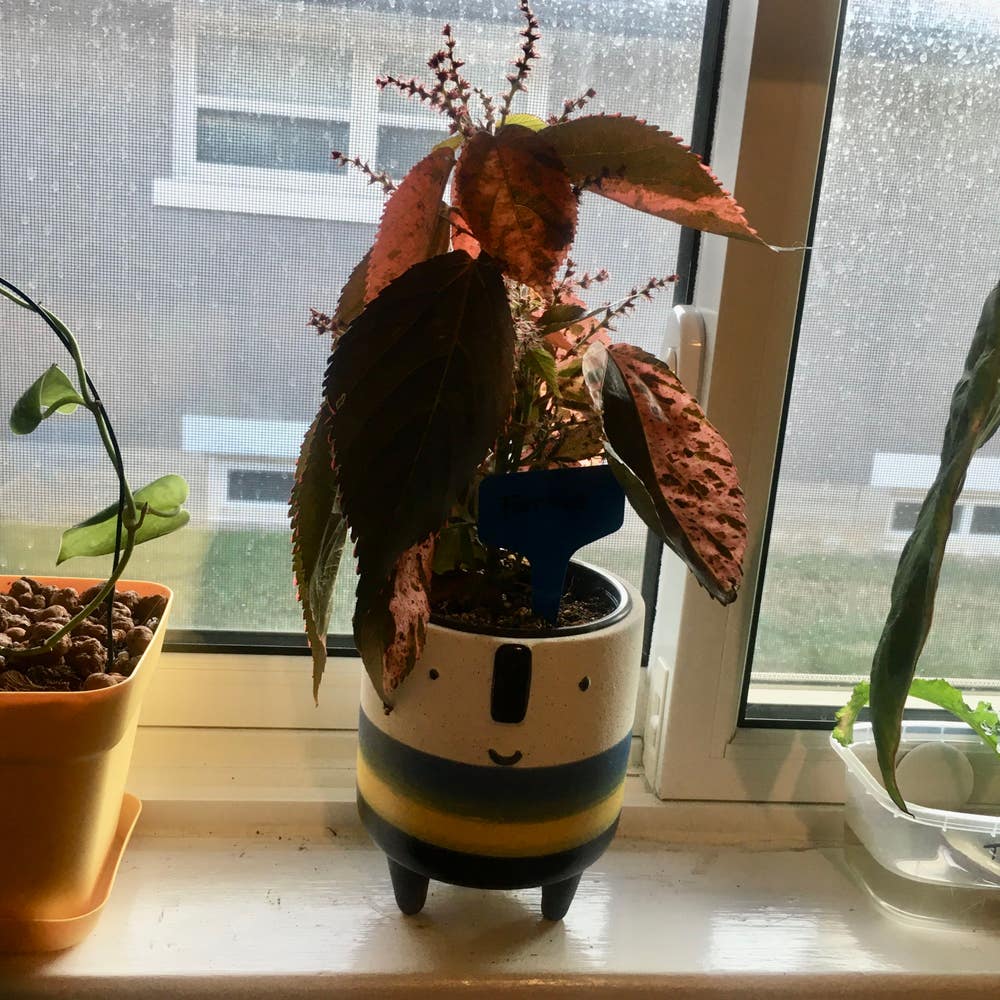
- Leaves may exhibit a bronzing effect when receiving ample light, which is normal and can enhance the plant's beauty.
- If the leaves start to show signs of scorching or fading, it's an indication that the plant is receiving too much direct sunlight, especially during the hottest part of the day.
Window and Hemisphere Impact
Window orientation is not just a matter of your view; it's a crucial factor in how much direct sunlight your Acalypha reptans receives. Let's break down the basics:
- East-facing windows provide gentle morning light, ideal for easing your plant into the day without the risk of scorching.
- West-facing windows expose plants to intense afternoon sun, which can be too harsh for Acalypha reptans if not moderated.
- South-facing windows (in the Northern Hemisphere) or north-facing windows (in the Southern Hemisphere) are the most consistent sources of sunlight throughout the day.
The hemisphere you live in also dictates the quality of sunlight your plant experiences:
- In the Northern Hemisphere, south-facing windows are the prime spots for catching the most sun.
- Conversely, in the Southern Hemisphere, it's the north-facing windows that bask in the most sunlight.
- This difference is due to the Earth's tilt and the angle at which sunlight hits different parts of the globe.
Understanding these factors helps ensure that your Acalypha reptans gets just the right amount of light to thrive.
Managing Sunlight Exposure
Acalypha reptans thrives when its sunlight exposure is just right. Here's how to keep it in the sweet spot:
- Gradually acclimate your plant to its light environment. Start with indirect light and slowly increase exposure to direct sunlight if needed.
- Use sheer curtains to diffuse intense rays during peak sunlight hours, especially in summer.
- Rotate the plant periodically to ensure even light distribution and prevent one-sided growth.
Watch for these signs to gauge if your Acalypha reptans is getting the right amount of sun:
- Too much direct sunlight: Leaves may appear scorched, crispy, or develop brown spots. The plant may also exhibit stunted growth or faded coloration.
- Too little sunlight: Look for stretching stems or a lack of vibrant color. The plant may also become leggy as it reaches for more light.
Remember, the sun's intensity changes with the seasons, so adjust your plant's position throughout the year to maintain the ideal balance.
⚠️ Safety First
This content is for general information and may contain errors, omissions, or outdated details. It is not medical, veterinary advice, or an endorsement of therapeutic claims.
Always consult a qualified healthcare professional before using any plant as food, medicine, or supplement.
Never eat any plant (or feed one to pets) without confirming its identity with at least two trusted sources.
If you suspect poisoning, call Poison Control (800) 222-1222, the Pet Poison Helpline (800) 213-6680, or your local emergency service immediately.
Spotted an error? Please report it here.
Ensure your Acalypha reptans gets just the right amount of sunshine 🌞 with Greg's tailored light tracking and reminders.