How to Fix Brown Spots on Your Acalypha reptans
Acalypha chamaedrifolia
By the Greg Editorial Team
Jul 23, 2024•3 min read
This article was created with the help of AI so we can cover more plants for you. May contain errors. See one? Report it here.
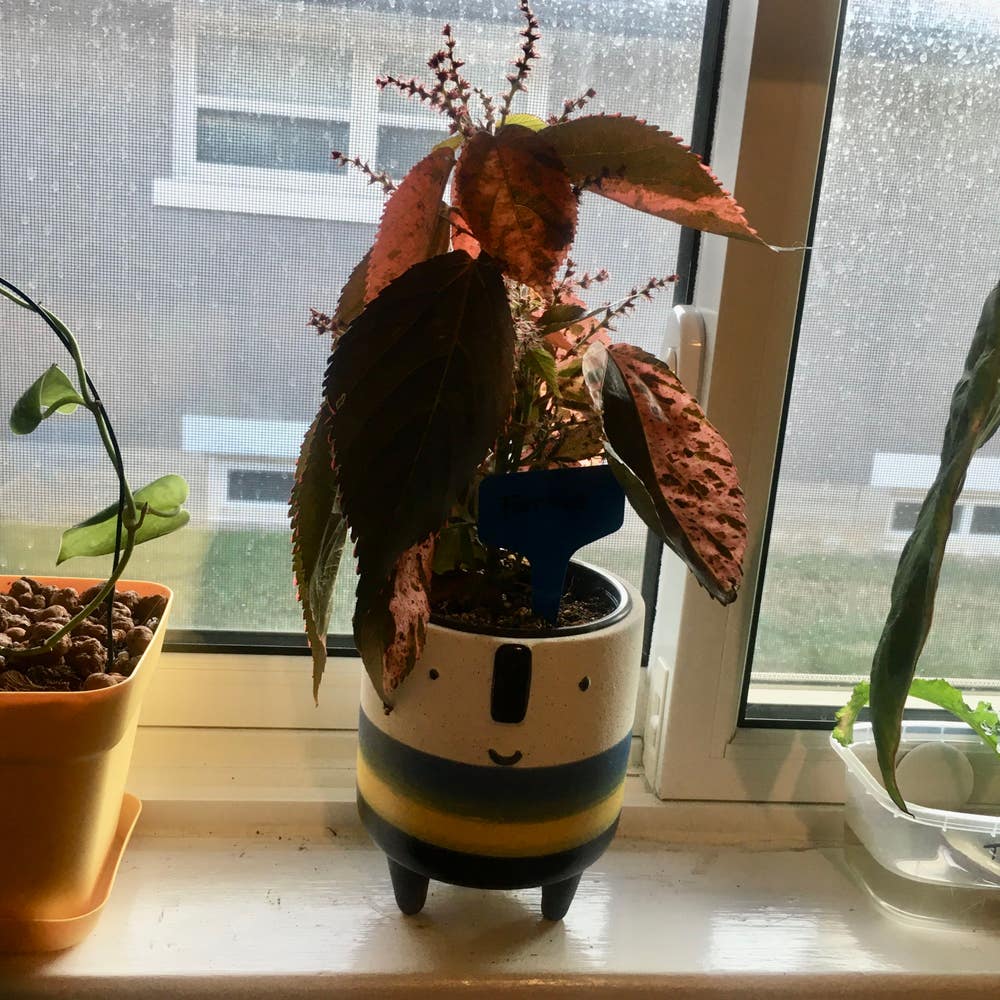
Revive your Acalypha reptans 🌿 by tackling brown spots with these expert care tips!
- 🌱 Over/underwatering, nutrient imbalances, pests/diseases cause brown spots.
- 💦🔍 Proper watering and soil moisture checks are vital for treatment.
- 🌿 Routine maintenance and proactive health checks prevent future issues.
Uncovering the Causes
💧 Water-Related Issues
Improper watering can leave telltale signs on your Acalypha reptans. Here's how to spot them:
- Overwatering: Look for soft, mushy brown spots on leaves, a sign of too much moisture.
- Underwatering: Notice dry, crispy marks? Your plant is thirsty and needs more water.
🌿 Nutrient Imbalances
Nutrient deficiencies can also cause brown spots. Keep an eye out for these clues:
- Calcium Deficiency: Watch for brown spots that pop up suddenly.
- Potassium and Nitrogen Shortage: Leaves may show brown patches when these nutrients are lacking.
🐛 Pests and Diseases
Pests and diseases are not to be overlooked. Here's what might be lurking:
- Pests: Spider mites, aphids, and mealybugs can leave brown spots as they feed.
- Diseases: Fungal infections often present with a patterned brown spot appearance.
Remember, the key to a healthy Acalypha reptans is balance—in watering, nutrients, and pest management.
Treating Brown Spots
🚿 Correcting Watering Techniques
Watering your Acalypha reptans properly is crucial in treating brown spots. Here's how to get it right:
- Check the soil moisture before watering. The top layer should be dry to the touch.
- Water early in the morning to allow time for the leaves to dry, reducing the risk of fungal diseases.
- Use a watering can with a long spout to target the soil directly, avoiding the leaves.
- Ensure your pot has adequate drainage and the soil is well-draining.
- Adjust your watering frequency with the changing seasons, watering less in cooler months.
🌿 Balancing Nutrients
Nutrient imbalances can cause brown spots, so it's important to feed your plant correctly:
- Use a balanced, water-soluble fertilizer to provide essential nutrients.
- Incorporate organic options like compost or manure to enrich the soil for long-term health.
- Practice foliar feeding with caution, avoiding direct sunlight to prevent leaf burn.
- Regularly test soil pH to ensure optimal nutrient uptake.
🐜 Eradicating Pests and Diseases
Pests and diseases can lead to brown spots, so take these steps to keep your plant healthy:
- Physically remove pests or use a gentle hose spray to dislodge them.
- Apply insecticidal soap or neem oil for a more natural pest control solution.
- Rotate fungicides to prevent resistance and apply them accurately.
- Maintain good hygiene with tools and pots, and ensure proper airflow around your plant.
Preventing Future Issues
🌿 Routine Plant Maintenance
- Regular care is essential to prevent brown spots on Acalypha reptans. Here's what you need to know:
- Water your plant when the top inch of soil feels slightly damp, avoiding both overwatering and underwatering.
- Ensure proper light conditions; Acalypha reptans thrives in bright, indirect light.
- Maintain humidity levels by misting the plant or using a humidifier, especially in drier environments.
- Prune away any dead or yellowing leaves to encourage healthy growth and improve air circulation.
🦠 Proactive Health Checks
- Vigilance can keep your Acalypha reptans in top shape. Follow these tips for early detection and intervention:
- Inspect your plant regularly for the first signs of brown spots or other issues.
- Rotate your Acalypha reptans periodically to ensure even light exposure and prevent fungal growth.
- Clean the leaves with a damp cloth to remove dust and potential spores, promoting better photosynthesis and respiration.
- Quarantine new plants before introducing them to your collection to prevent the spread of diseases.
⚠️ Safety First
This content is for general information and may contain errors, omissions, or outdated details. It is not medical, veterinary advice, or an endorsement of therapeutic claims.
Always consult a qualified healthcare professional before using any plant as food, medicine, or supplement.
Never eat any plant (or feed one to pets) without confirming its identity with at least two trusted sources.
If you suspect poisoning, call Poison Control (800) 222-1222, the Pet Poison Helpline (800) 213-6680, or your local emergency service immediately.
Spotted an error? Please report it here.
Banish those pesky brown spots and keep your Acalypha reptans thriving 🌿 with Greg's custom care plan, ensuring just the right balance of water, nutrients, and pest management.