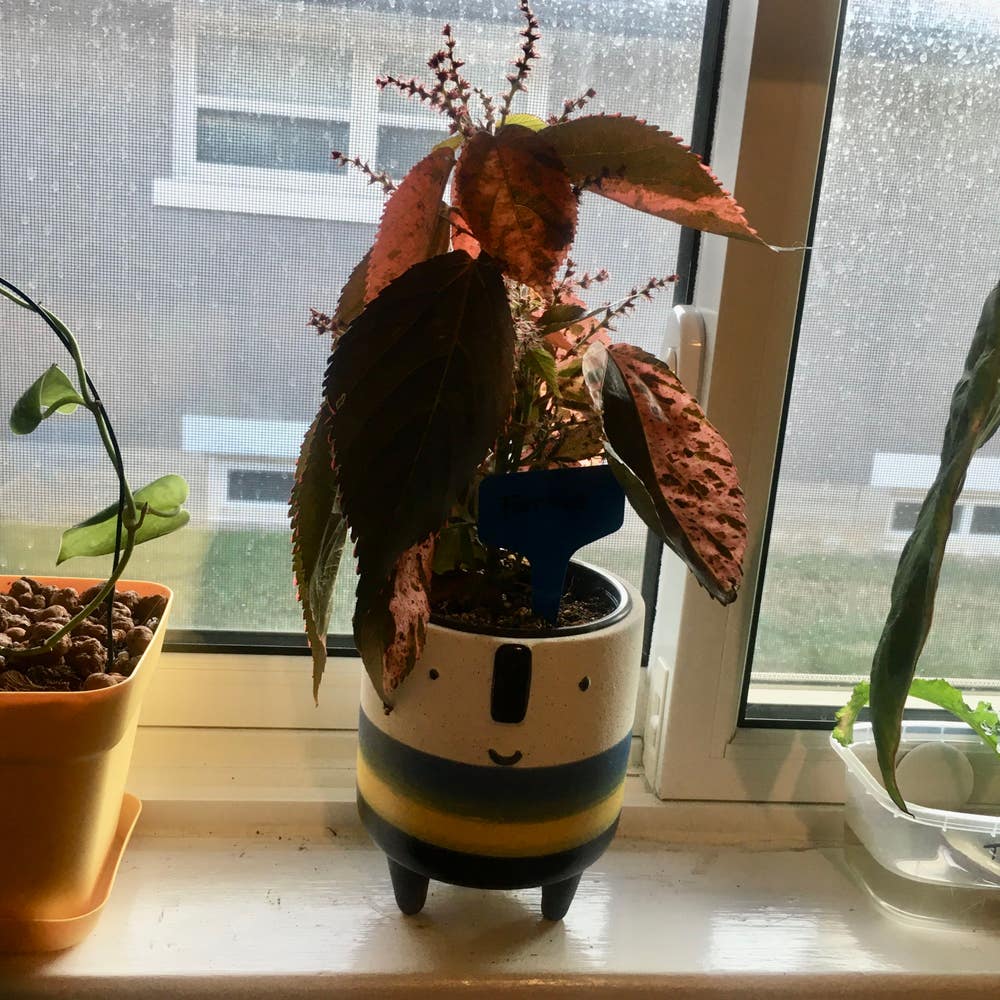
Best Humidity Levels for Acalypha reptans
Acalypha chamaedrifolia
By the Greg Editorial Team
Jul 23, 2024•4 min read
This article was created with the help of AI so we can cover more plants for you. May contain errors. See one? Report it here.
Ensure your Acalypha reptans thrives with the secret to ideal humidity levels 🌿💧.
- 🌱 Ideal RH for Acalypha reptans: 50-70% for optimal growth and health.
- 🤒 Watch for distress signs: Brown tips or leaf rot indicate humidity issues.
- 💧🔧 Adjust humidity with DIY or tech: Use pebble trays, humidifiers, or fans.
Humidity Essentials
Relative Humidity for Acalypha reptans
Relative humidity (RH) is the measure of how saturated the air is with moisture at a given temperature, expressed as a percentage. For Acalypha reptans, which thrives in tropical environments, maintaining the correct RH is vital for its health and growth.
- Absolute humidity is the total water vapor present in the air, but it's RH that directly affects the plant.
- RH influences the plant's transpiration rates and, consequently, its nutrient uptake and overall well-being.
🌿 Assessing Your Environment
To ensure your Acalypha reptans is living in its ideal humidity, you'll need to measure the RH of its surroundings.
- Use a hygrometer to get an accurate reading of the indoor humidity levels.
- Be aware of the local climate's impact on indoor RH and adjust your plant care strategies accordingly.
- Avoid placing the hygrometer in misleading areas, such as near windows or drafts, to get a true sense of the ambient humidity.
Ideal Humidity Range
🌴 Acalypha reptans' Humidity Preferences
Acalypha reptans flourishes in a specific humidity range that mimics its tropical origins.
- The ideal relative humidity (RH) for Acalypha reptans is between 50% and 70%.
- This range supports the plant's natural growth cycle and leaf health.
Signs that your Acalypha reptans is experiencing humidity distress can be subtle but telling.
- Look for brown leaf tips or edges, which suggest the air may be too dry.
- Overly damp conditions may lead to leaf rot or fungal diseases, indicated by discolored or mushy leaves.
Adjusting to Your Plant's Needs
🌿 Interpreting your Acalypha reptans' signals is key to providing the right humidity environment.
- Regularly check for signs of distress and adjust the humidity levels accordingly.
- Use a hygrometer to monitor the RH in your plant's vicinity, ensuring it stays within the optimal range.
Creating a comfortable humidity level for your Acalypha reptans is a dynamic process.
- If the air is too dry, consider using a humidifier or grouping plants together to increase moisture through transpiration.
- In overly moist conditions, improve air circulation with fans or open windows to help reduce humidity.
Increasing Humidity
DIY Solutions
Creating a comfortable humidity level for Acalypha reptans doesn't have to be complex or costly. Here's how to do it yourself:
- Pebble Trays: Place your plant atop a tray filled with water and pebbles, ensuring the pot is not sitting in water. This setup allows for gentle evaporation without risking root rot.
- Grouping Plants: Position your Acalypha reptans near other plants. They'll share moisture through transpiration, creating a more humid microclimate.
🛠️ Technology Aids
For those looking for a more controlled environment:
- Humidifiers: Select a humidifier that fits your space and budget. It's a reliable way to maintain consistent humidity levels for your Acalypha reptans.
- Misting: A light spritz around your plant can temporarily boost humidity. However, do this sparingly to avoid fungal issues and only when the plant's environment isn't providing enough moisture.
Decreasing Humidity
🌬️ Environmental Adjustments
When your Acalypha reptans is swimming in humidity, it's time to turn on the air. A simple fan can work wonders by stirring the air and making it harder for moisture to settle. Open windows can also invite a breath of fresh air, especially when the outdoor air is drier.
- Use fans to promote air movement and prevent moisture stagnation.
- Open windows to reduce indoor humidity, taking advantage of drier outdoor air.
💨 Dehumidifying Tactics
Sometimes, the situation calls for the big guns: dehumidifiers. These devices are adept at wringing out excess moisture from the air, creating a more comfortable environment for your Acalypha reptans. But remember, placement matters—keep the dehumidifier at a distance to avoid desiccating your plant.
- Deploy a dehumidifier to lower the humidity in the room, but don't place it too close to the plant.
- Adjust your watering schedule, allowing the soil to dry out more between waterings, which helps manage overall humidity levels.
⚠️ Safety First
This content is for general information and may contain errors, omissions, or outdated details. It is not medical, veterinary advice, or an endorsement of therapeutic claims.
Always consult a qualified healthcare professional before using any plant as food, medicine, or supplement.
Never eat any plant (or feed one to pets) without confirming its identity with at least two trusted sources.
If you suspect poisoning, call Poison Control (800) 222-1222, the Pet Poison Helpline (800) 213-6680, or your local emergency service immediately.
Spotted an error? Please report it here.
Keep your Acalypha reptans flourishing 🌿 with Greg's custom humidity tracking and alerts, ensuring your plant enjoys its ideal tropical haven.