What to Do About Brown Spots on Your Acalypha chamaedrifolia
Acalypha chamaedrifolia
By the Greg Editorial Team
Jul 28, 2024•3 min read
This article was created with the help of AI so we can cover more plants for you. May contain errors. See one? Report it here.
Revive your Acalypha chamaedrifolia 🌿 by mastering the art of banishing brown spots for a lush, healthy plant life. 🍃
- 🤔 Brown spots? Could be water, nutrients, pests, or disease.
- 💧🌱 Adjust watering and nutrients to prevent and treat brown spots.
- 🕵️♂️ Regular care and observation keeps your Acalypha chamaedrifolia healthy.
Spotting the Causes
💧 Over and Underwatering
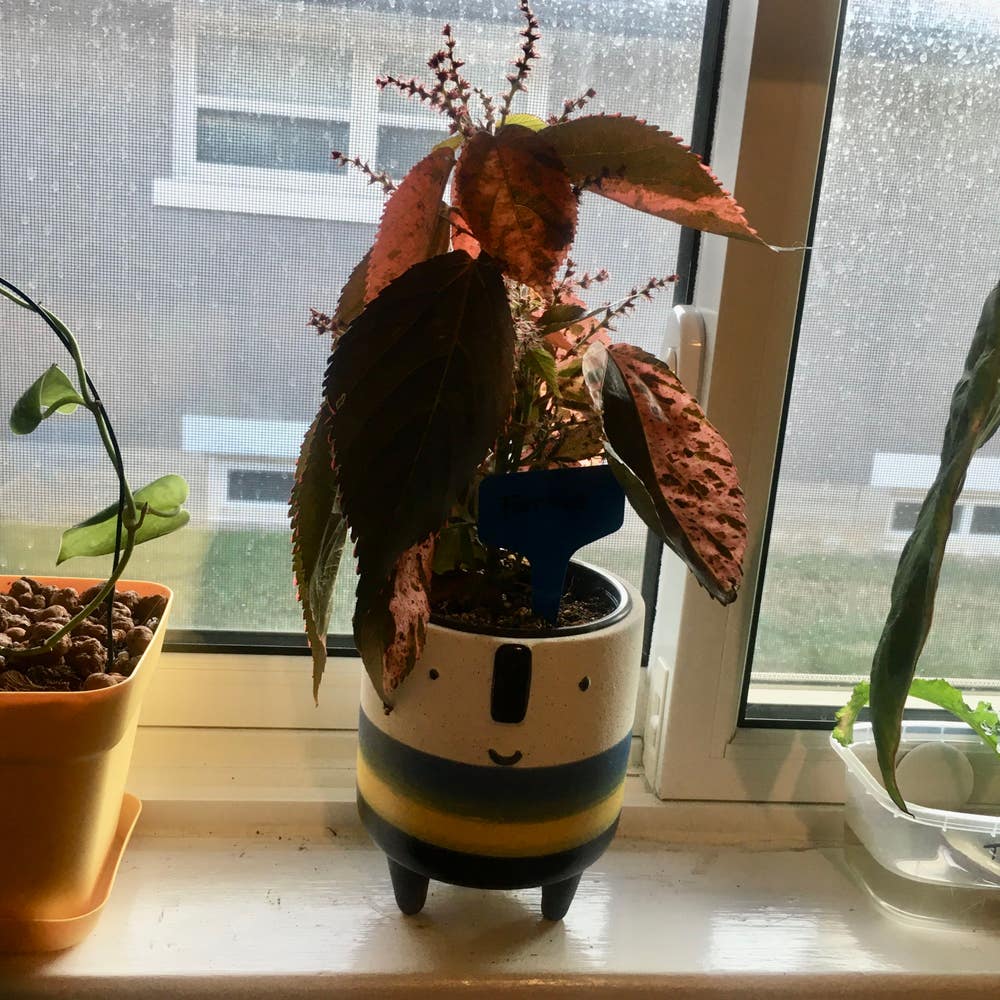
- Brown spots from overwatering often appear as dark, soggy lesions, while underwatering can cause dry, crispy patches.
- To avoid these, ensure your watering routine is seasonally adjusted and that pots have proper drainage.
🌿 Nutrient Imbalances
- Nutrient deficiencies can stealthily spread, presenting as rusty, diffuse spots on leaves.
- Check for these issues particularly if young leaves or those near the base are affected.
🐜 Pest Infestations
- Pests like spider mites and aphids leave behind brown spots, sometimes accompanied by sticky residue or visible insects.
- Regular plant check-ups help catch these uninvited guests early.
🍄 Fungal and Bacterial Diseases
- Fungal diseases may show as concentric circles or irregular shapes, while bacterial issues often look like water-soaked lesions with yellow borders.
- Both thrive in moist conditions, so keeping the plant dry and well-ventilated is key to prevention.
Treating Brown Spots
💧 Watering Adjustments
Watering your Acalypha chamaedrifolia correctly is crucial in treating brown spots. Here's how to get it right:
- Check the soil moisture by inserting your finger a few centimeters deep; water only when the topsoil feels dry.
- Water at the base to avoid wet leaves, which can lead to fungal issues.
- Adjust your watering schedule with the seasons—less in cooler months, more in warmer ones.
🌿 Nutrient Correction
Nutrient imbalances can cause brown spots, so it's important to address deficiencies with precision:
- Use a water-soluble fertilizer to provide essential nutrients.
- Consider organic options like compost to enrich the soil.
- Avoid over-fertilization to prevent nutrient burn.
🐜 Pest Elimination
Pests can be a nuisance, but with the right approach, you can keep them at bay:
- Inspect your plant regularly and remove pests by hand or with a strong water spray.
- Use yellow sticky traps for aphids and blue traps for thrips.
- Employ neem oil or insecticidal soap as a safer alternative to harsh chemicals.
🦠 Disease Control
Fungal and bacterial diseases require immediate attention:
- Remove any infected leaves to prevent the spread of disease.
- Improve air circulation by spacing plants properly and pruning when necessary.
- Use fungicides as a last resort, and rotate them to prevent resistance. Always follow label instructions.
Preventing Future Issues
🌿 Routine Care
Establishing a regular care routine is crucial for the long-term health of your Acalypha chamaedrifolia. It's about creating a rhythm that the plant can rely on, much like a daily routine supports your own well-being. Here's how to keep your plant in top shape:
- Inspect your plant regularly for early signs of stress or pests.
- Water consistently, adjusting for the plant's needs and seasonal changes.
- Fertilize thoughtfully, with a focus on balance to avoid nutrient overload.
- Prune strategically to encourage healthy growth and remove any damaged foliage.
- Keep a log of the plant's condition and any care adjustments to track what works best.
🌍 Environmental Optimization
Your Acalypha chamaedrifolia's environment plays a significant role in preventing brown spots and maintaining overall plant health. Here are some tips to ensure your plant's surroundings are just right:
- Monitor and adjust light exposure to mimic the plant's natural habitat, avoiding direct sunlight that can scorch the leaves.
- Keep the temperature stable, avoiding sudden fluctuations that can stress the plant.
- Maintain optimal humidity levels, which can vary with the seasons, to prevent dryness or excess moisture.
- Rotate the plant periodically to ensure even growth and light distribution.
⚠️ Safety First
This content is for general information and may contain errors, omissions, or outdated details. It is not medical, veterinary advice, or an endorsement of therapeutic claims.
Always consult a qualified healthcare professional before using any plant as food, medicine, or supplement.
Never eat any plant (or feed one to pets) without confirming its identity with at least two trusted sources.
If you suspect poisoning, call Poison Control (800) 222-1222, the Pet Poison Helpline (800) 213-6680, or your local emergency service immediately.
Spotted an error? Please report it here.
Eradicate brown spots on your Acalypha chamaedrifolia with Greg's custom care and real-time community support. 🍃