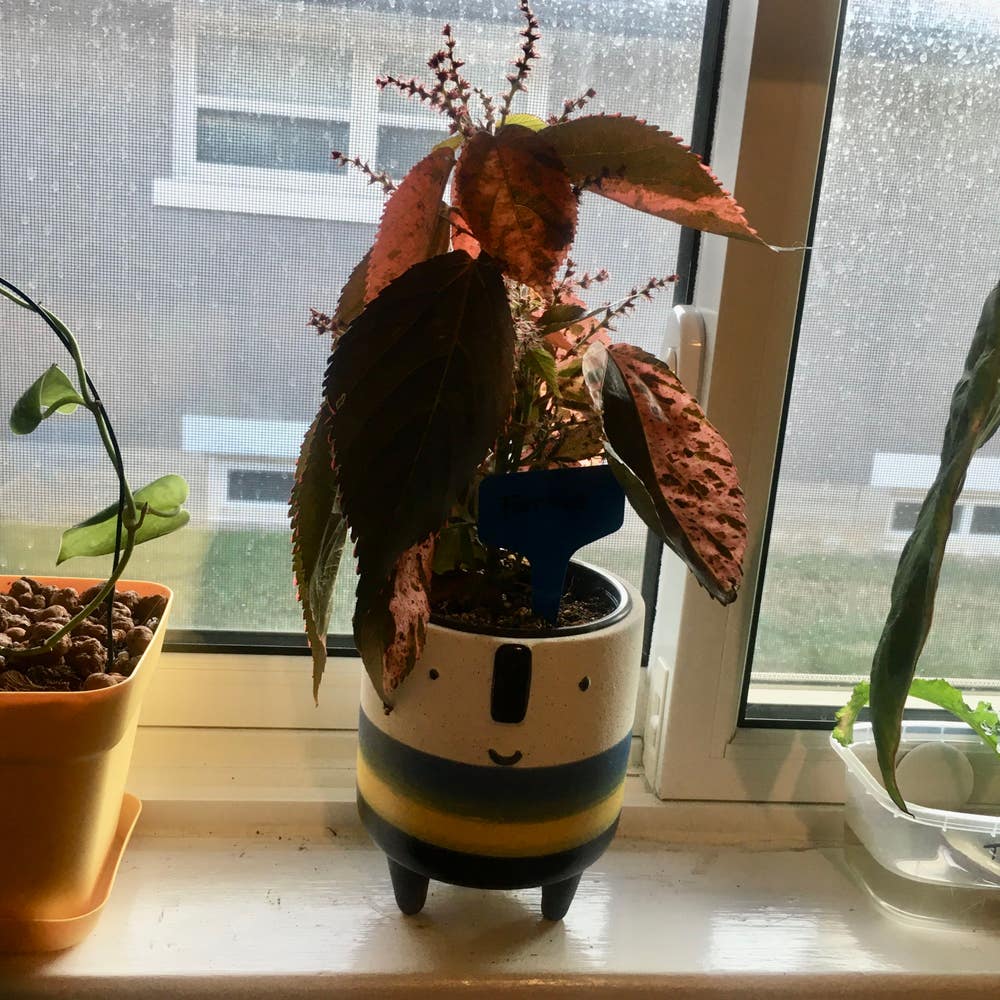
Step-by-Step Guide to Repotting Acalypha chamaedrifolia
Acalypha chamaedrifolia
By the Greg Editorial Team
Jul 23, 2024•4 min read
This article was created with the help of AI so we can cover more plants for you. May contain errors. See one? Report it here.
Revitalize your Acalypha chamaedrifolia's growth with timely repotting secrets! 🌿🌱
- 🌱 Root visibility and watering changes mean it's repotting time.
- 🌞 Repot in growth season with the right tools for success.
- 📏 Choose a pot 1-2 inches larger with good drainage.
Recognizing Repotting Time
🌱 Root Crowding Signs
Roots are the lifeline of Acalypha chamaedrifolia, but when they start to feel the squeeze of their container, it's a clear signal that it's time to repot. Look out for these unmistakable signs:
- Roots peeking out of drainage holes or visible at the soil surface.
- A dense web of roots that's more visible than the soil itself.
- The plant lifts with the pot when you try to remove it, indicating tightly packed roots.
- Leaves that droop or show discoloration, hinting at distress below the soil.
💧 Watering Changes
Watering your Acalypha chamaedrifolia should be routine, but when it starts to feel like a futile task, take note. These changes in water behavior are telling you it's time for a new home:
- Water that zips through the pot, draining too quickly without moistening the soil.
- The potting mix drying out faster than usual, even with your regular watering schedule.
- An increase in the frequency of watering needed to keep the soil hydrated.
Repotting Essentials
🌱 Preparing to Repot
Repotting Acalypha chamaedrifolia starts with a bit of prep work. Here's what you'll need to gather:
- A new pot, ideally one size larger than the current one.
- High-quality, well-draining potting mix.
- A trowel for transferring soil.
- Gardening gloves to protect your hands from potential skin irritants in the sap.
- Pruning shears for trimming any unhealthy roots.
- A watering can for hydrating the plant post-repotting.
Timing is key—aim for spring or early summer when the plant is in its growth phase.
Step-by-Step Repotting
Now, let's dive into the repotting process:
- Water your Acalypha chamaedrifolia in its current pot about an hour before repotting to ensure it's hydrated.
- Carefully remove the plant from its pot. If it's stubborn, gently tap the sides of the pot to loosen it.
- Examine the root system. Trim away any dead or rotting roots to encourage healthy growth.
- Place a layer of fresh potting mix in the new pot.
- Position your plant in the center of the new pot, making sure it's upright and at the same depth as in the old pot.
- Fill in around the roots with more potting mix, tapping the pot to settle the soil and eliminate air pockets.
- Give your plant a light watering to help it settle into its new home.
Remember, no rocks at the bottom—this old myth does nothing for drainage.
Selecting the Right Pot
Material Considerations
🌿 Choosing the right pot material is crucial for the well-being of your Acalypha chamaedrifolia. Let's weigh the options:
- Terracotta: Offers excellent breathability, wicking away excess moisture and reducing the risk of root rot. Ideal for those who tend to overwater or live in humid climates.
- Plastic: Lightweight and cost-effective, plastic pots retain moisture longer, which can be beneficial or detrimental, depending on your watering habits.
- Ceramic: These pots often come with a stylish finish and moderate breathability. Ensure they have drainage holes to prevent waterlogging.
- Fabric: A newer option that promotes air pruning and healthy roots, but they dry out quickly and may not last as long as other materials.
Size and Drainage
📏 The right pot size and drainage are non-negotiable for healthy Acalypha chamaedrifolia:
- Size: Choose a pot that's 1-2 inches larger in diameter than the current one to allow for growth without risking waterlogging.
- Drainage: Regardless of material, ensure the pot has adequate drainage holes to avoid soggy soil conditions that can lead to root diseases.
Aftercare Strategies
🌱 Soil and Watering
After repotting Acalypha chamaedrifolia, it's crucial to get the watering just right. Here's how to strike the balance:
- Check the soil's moisture before watering; if the top inch feels dry, it's time to hydrate.
- Let the soil dry out between waterings to encourage strong root growth and prevent root rot.
📈 Monitoring Growth
Observing your Acalypha chamaedrifolia post-repotting tells you a lot about its health:
- Look for signs of new growth or perky foliage, which indicate a happy plant.
- If you spot drooping leaves or other stress signals, reassess the plant's environment and care routine.
⚠️ Safety First
This content is for general information and may contain errors, omissions, or outdated details. It is not medical, veterinary advice, or an endorsement of therapeutic claims.
Always consult a qualified healthcare professional before using any plant as food, medicine, or supplement.
Never eat any plant (or feed one to pets) without confirming its identity with at least two trusted sources.
If you suspect poisoning, call Poison Control (800) 222-1222, the Pet Poison Helpline (800) 213-6680, or your local emergency service immediately.
Spotted an error? Please report it here.
Ensure your Acalypha chamaedrifolia thrives after repotting by letting Greg craft a personalized watering plan 📅 based on your plant's new environment and needs.