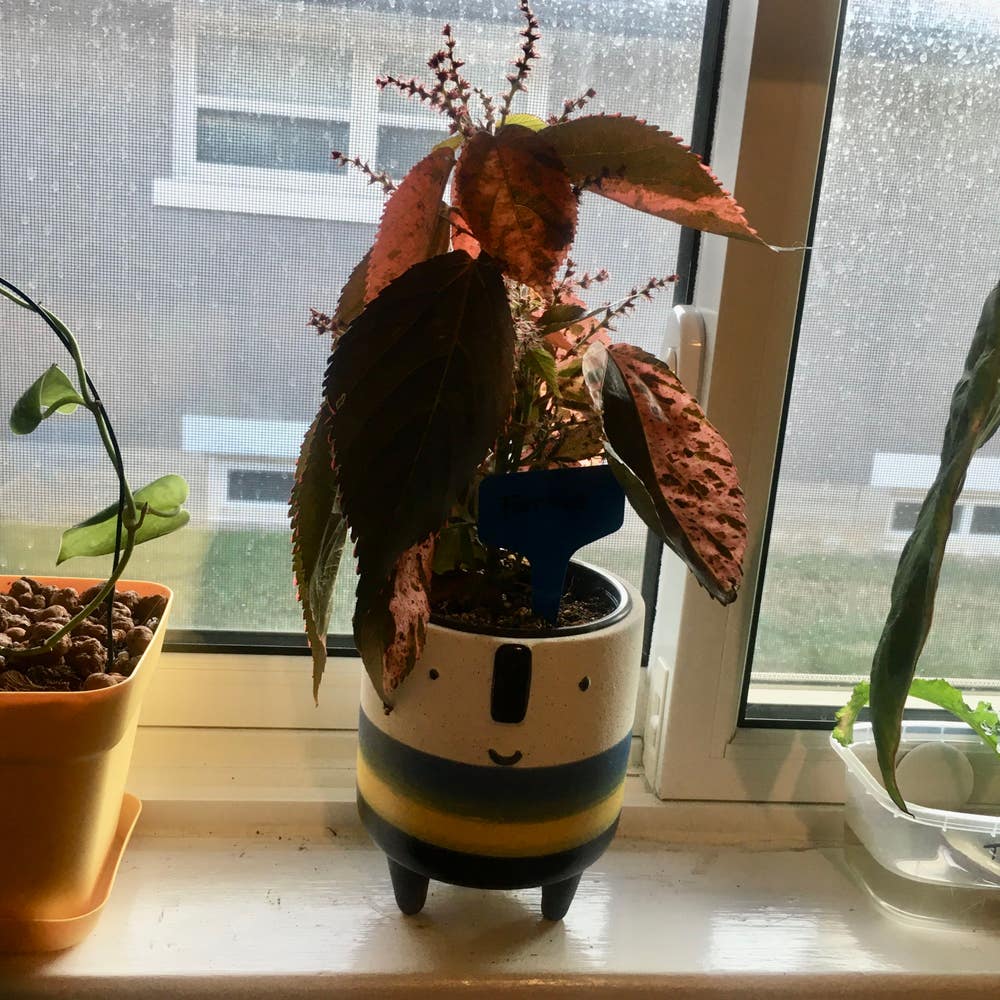
How Big Your Dwarf Chenille Plant Will Get
Acalypha chamaedrifolia
By the Greg Editorial Team
Jul 23, 2024•4 min read
This article was created with the help of AI so we can cover more plants for you. May contain errors. See one? Report it here.
Shape your Dwarf Chenille Plant to fit any nook with ease using these savvy growth control strategies. 🌿
- Dwarf Chenille Plant: small but mighty, ideal for compact spaces with a 6-inch height.
- Light, soil, water, pot size influence growth; pruning and pot choice manage size.
- Years to maturity, but optimal care can speed up growth of this plush plant.
Mature Size Potential
📏 Typical Height and Spread
Understanding the mature dimensions of your Dwarf Chenille Plant is key to ensuring it fits perfectly in your space. On average, you can expect this lush houseplant to reach a height of about 6 inches, with a generous spread of up to 15 inches. It's a compact beauty that's perfect for small spaces or as a desktop companion.
📐 Factors Affecting Size
Several elements come into play when determining the ultimate size of your Dwarf Chenille Plant. Here's what you need to know:
- Light: Bright, indirect sunlight is the sweet spot for this plant. Too little light can stunt growth, while too much direct sun might lead to other issues.
- Soil: It's not picky about soil type, but the soil should be kept moist. Dry soil can slow growth, so keep an eye on moisture levels.
- Water: Consistency is key. Watering once or twice a week is a good rule of thumb, but adjust based on the plant's environment and pot size.
- Pot Size: The size of the pot will influence how much your Dwarf Chenille Plant can spread its roots and, consequently, its foliage.
Remember, these are guidelines. Your plant's growth can vary based on its unique conditions.
Growth Dynamics
🌱 Understanding Growth Rate
The Dwarf Chenille Plant's growth rate can swing from a leisurely pace to a brisk sprint, largely hinging on its care. Key factors that can rev up its growth include:
- Adequate bright light, especially direct morning sun and/or indirect afternoon sun.
- A consistent watering schedule that keeps the soil moist but not waterlogged.
- Regular fertilization during the growing season to provide essential nutrients.
⏳ Timeline to Maturity
Estimating the time it takes for a Dwarf Chenille Plant to hit its full stride can be a bit of a guessing game. However, you can expect:
- A general timeline of several years to reach mature dimensions.
- Faster growth and earlier maturity with optimal light and care conditions.
- Variability in the timeline based on individual plant health and environmental factors.
Size Variability
🌱 Dwarf vs. Giant Variants
Dwarf Chenille Plants are known for their compact size, but there's a range to consider. Here's how they stack up:
- Standard Dwarf Chenille Plants typically remain petite, ideal for small spaces.
- Giant varieties, like the Acalypha hispida, can grow significantly larger, making a bold statement in the garden.
🌿 Environmental Impact on Size
The size of Dwarf Chenille variants isn't set in stone; it's influenced by their environment:
- Light: More light can lead to a larger plant, while less light may keep it smaller.
- Soil and Water: Good drainage and consistent moisture encourage healthy growth.
- Pot Size: A larger pot allows for more root development, which can increase plant size.
- Pruning: Regular pruning can manage size and encourage bushier growth.
Managing Plant Size
🌿 Pruning for Size Control
Pruning is not just about aesthetics; it's a crucial tool for managing your Dwarf Chenille Plant's size and shape. Here's how to keep your plant looking great and fitting perfectly in its space:
- Decide on the desired size before you start cutting. This will be your pruning compass.
- Spring into action during the active growth phase, typically spring or early summer, for the best results.
- Focus on health by removing dead or diseased foliage, and shape by trimming back overgrown areas.
- Sterilize your tools to prevent infection and ensure clean cuts.
- Balance is key; prune enough to control size but not so much that you stress the plant.
🏺 Impact of Pot Size
The pot you choose is more than a home for your Dwarf Chenille Plant; it's a growth moderator:
- Underpotting can be strategic, limiting size by restricting root growth, akin to the Bonsai technique.
- Overpotting can lead to excess water retention and potential root rot, so choose a pot that's just right.
- Repotting may be necessary when your plant becomes root-bound. This gives it more room to grow, which can increase its size.
- Drainage is crucial; ensure your pot has holes to prevent waterlogging.
- Material matters; porous materials like terracotta can help regulate soil moisture and contribute to size control.
⚠️ Safety First
This content is for general information and may contain errors, omissions, or outdated details. It is not medical, veterinary advice, or an endorsement of therapeutic claims.
Always consult a qualified healthcare professional before using any plant as food, medicine, or supplement.
Never eat any plant (or feed one to pets) without confirming its identity with at least two trusted sources.
If you suspect poisoning, call Poison Control (800) 222-1222, the Pet Poison Helpline (800) 213-6680, or your local emergency service immediately.
Spotted an error? Please report it here.
Ensure your Dwarf Chenille Plant grows to its ideal dimensions 📐 with Greg's custom watering schedules and pot size recommendations, tailored to your home's unique environment.