Managing Direct Sunlight for Your Acalypha chamaedrifolia
Acalypha chamaedrifolia
By the Greg Editorial Team
Jul 23, 2024•4 min read
This article was created with the help of AI so we can cover more plants for you. May contain errors. See one? Report it here.
Nurture a thriving Acalypha chamaedrifolia 🌿 by mastering its ideal sunlight dance 💃!
- 🌞 Bright light, but direct sun sensitive: Acalypha chamaedrifolia needs careful positioning.
- 🌱 Vibrant growth indicates good light: Watch for stretched stems as a red flag.
- 🏡 Adjust for window direction and season: Use sheer curtains to manage light intensity.
Sunlight Needs of Acalypha chamaedrifolia
Acalypha chamaedrifolia thrives when basking in abundant, bright light. Here's how to hit the sweet spot:
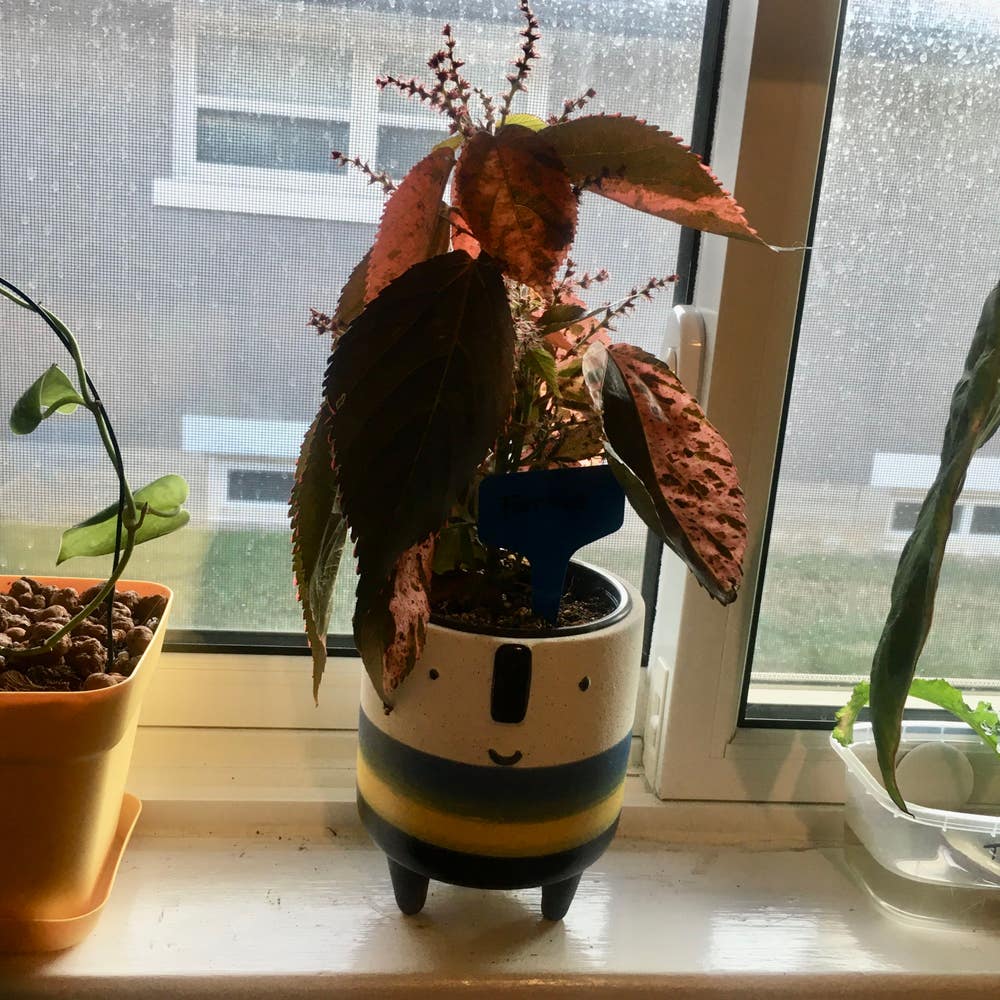
- Place your plant less than one foot from a window where it can soak up plenty of direct sunlight.
- Rotate the plant regularly to ensure even light exposure, preventing lopsided growth.
Signs that your Acalypha chamaedrifolia is getting just the right amount of sun include:
Conversely, here are red flags for inadequate sunlight:
- Stretched-out stems, as if reaching for more light.
- Leaves spaced too far apart, indicating the plant is straining for sunlight.
If your plant exhibits these signs, consider moving it to a sunnier spot or supplementing with grow lights, especially during shorter winter days. Keep a close eye on its response to these changes to find that perfect balance.
Tolerance to Direct Sunlight
Acalypha chamaedrifolia, while appreciating bright conditions, can be a bit of a diva when it comes to direct sunlight. It thrives under abundant light but doesn't enjoy the harshness of midday rays.
Here's how to tell if your Acalypha chamaedrifolia is getting too much of a good thing:
- Leaves may exhibit a bleached or scorched look, much like a plant's version of a sunburn.
- Foliage could start to curl or crisp at the edges, signaling an SOS for less light.
If you spot these signs, it's time to rethink your plant's spot in the sun. Consider a location with filtered light or use sheer curtains to soften the intensity. Remember, it's about finding that sweet spot where your Acalypha chamaedrifolia can bask without baking.
Window Direction and Hemisphere Effects
The direction your windows face plays a pivotal role in the life of your Acalypha chamaedrifolia. Here's a quick rundown on how to harness the power of the sun based on your window's orientation and your hemisphere:
- North-facing windows (Southern Hemisphere) or south-facing windows (Northern Hemisphere) are the prime real estate for sunlight. They offer the most consistent and intense light, which this plant generally enjoys.
- East-facing windows provide a gentle morning glow that can be perfect for easing your plant into the day.
- West-facing windows may subject your Acalypha chamaedrifolia to harsh afternoon sun, which could be too much of a good thing.
- South-facing windows (Southern Hemisphere) or north-facing windows (Northern Hemisphere) offer a more muted light, which might not be enough for this sun-lover.
Adjusting care based on your hemisphere is also crucial:
- In the Northern Hemisphere, the sun is more intense in the south, so south-facing windows are where your Acalypha chamaedrifolia can soak up the rays it needs.
- Flip to the Southern Hemisphere, and it's the north-facing windows that become the spotlight for your plant.
Remember, the intensity of sunlight your plant receives can change with the seasons, so be prepared to shuffle your Acalypha chamaedrifolia around to maintain that sweet spot of sunlight exposure.
Managing Sunlight Exposure
Acalypha chamaedrifolia thrives when it receives the right balance of light. Here's how to ensure it gets just the right amount of sun.
Strategies for Providing the Right Amount of Direct Sunlight
- Position your Acalypha chamaedrifolia in a spot where it can bask in the morning sun, which is gentler than the intense afternoon rays.
- If the plant is in a spot with strong afternoon sunlight, consider moving it back from the window or providing some shade during peak hours.
🏡 Tips for Using Window Treatments to Control Light Intensity
- Sheer curtains are your go-to for diffusing harsh sunlight without plunging your plant into darkness.
- Adjustable blinds allow you to fine-tune the amount of light throughout the day, catering to the changing needs of your Acalypha chamaedrifolia.
🌞 Monitoring and Adapting to Seasonal Changes in Sunlight
- Keep in mind that the angle of the sun changes with the seasons, affecting how much direct sunlight enters through your windows.
- During shorter days, maximize light exposure by placing your plant near south-facing windows (in the Northern Hemisphere) or north-facing ones (in the Southern Hemisphere).
- As seasons shift, adjust the plant's position to ensure it continues to receive the optimal amount of light without getting scorched.
⚠️ Safety First
This content is for general information and may contain errors, omissions, or outdated details. It is not medical, veterinary advice, or an endorsement of therapeutic claims.
Always consult a qualified healthcare professional before using any plant as food, medicine, or supplement.
Never eat any plant (or feed one to pets) without confirming its identity with at least two trusted sources.
If you suspect poisoning, call Poison Control (800) 222-1222, the Pet Poison Helpline (800) 213-6680, or your local emergency service immediately.
Spotted an error? Please report it here.
Achieve perfect growth for your Acalypha chamaedrifolia by letting Greg's PlantVision 🌞 tailor your plant's sun exposure to the changing seasons and your unique home environment.