Ultimate Guide to Light Requirements for Acalypha reptans
Acalypha chamaedrifolia
By the Greg Editorial Team
Jul 23, 2024•5 min read
This article was created with the help of AI so we can cover more plants for you. May contain errors. See one? Report it here.
Nurture a lush Acalypha reptans 🌿 by mastering the art of light balance for vibrant growth and blooms.💡
- 🌿 Bright, indirect light is key for Acalypha reptans' vibrant growth.
- 🌤️ Morning sun, afternoon shade outdoors; east/west windows indoors.
- 💡 Grow lights enhance growth, especially for flowering and consistent indoor light.
Optimal Light Conditions
🌞 Understanding Light Intensity
Light intensity isn't just a detail; it's a cornerstone for the thriving growth of Acalypha reptans. This tropical beauty craves bright light but not the harsh midday sun that can scorch its delicate leaves.
- To gauge the right intensity, observe the plant's response over time.
- Stretching stems or faded leaves hint at light deprivation, while crispy tips scream excess.
🌟 Recognizing Quality Light
Quality light for Acalypha reptans is like a balanced diet for us—essential for its well-being. Here's what to look for:
- Bright, indirect light that mimics the dappled sunlight of its natural habitat.
- Consistent exposure without the extremes of dark shadows or direct, burning rays.
- A color temperature that resembles daylight, around 5000 – 6500K, to encourage vibrant growth.
Outdoor Lighting Strategy
🌞 Ideal Outdoor Exposure
Acalypha reptans flourishes when basking in the right balance of light and shade. Here's how to nail the outdoor placement:
- Aim for a location that offers morning sunlight and afternoon shade. This mimics the plant's natural tropical habitat.
- Consider east-facing gardens, which provide gentle morning light without the harshness of the afternoon sun.
- Use the sun's seasonal shifts to your advantage, adjusting placement as needed to avoid overexposure.
🕶 Protecting from Harsh Sun
Midday sun can be too intense for Acalypha reptans, risking sunburn and heat stress. Employ these strategies to keep your plant healthy:
- Position the plant under the canopy of larger trees or on the north side of buildings for natural shade.
- Install shade cloth or use garden structures like pergolas to create dappled sunlight.
- For a quick fix, an umbrella or a temporary overhang can provide relief during the hottest parts of the day.
Indoor Lighting Setup
🌞 Bright Indirect Light Indoors
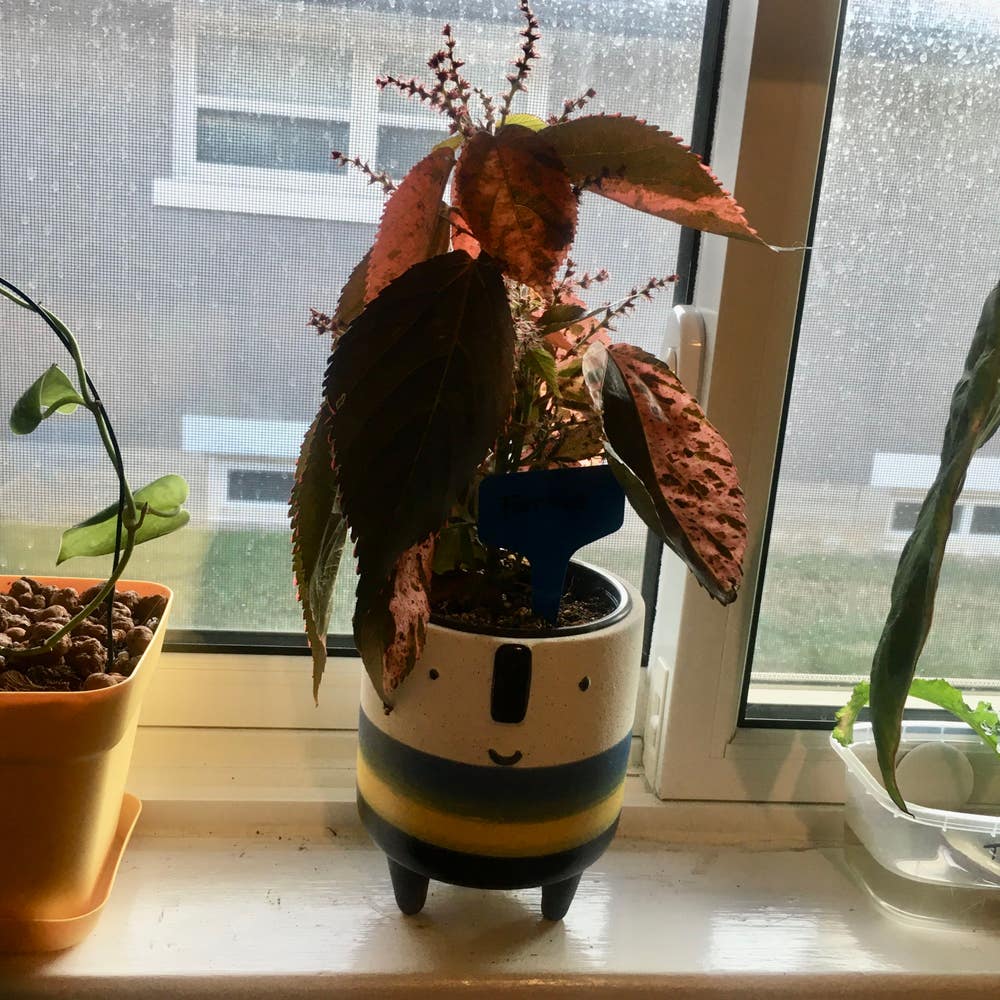
Acalypha reptans flourishes in bright, indirect light indoors. Achieving this involves placing the plant near east or west-facing windows, where it can soak up the morning or afternoon sun without the risk of harsh midday rays. If your space lacks natural light, consider using grow lights to mimic the sun's spectrum. Here's how to set up your indoor space:
- Position your Acalypha reptans near an east or west-facing window for optimal light exposure.
- Use sheer curtains to diffuse direct sunlight and prevent leaf burn.
- Supplement with fluorescent or LED grow lights if natural light is insufficient.
Signs of Poor Indoor Lighting
Your plant will tell you if it's not getting enough light. Look out for these signs and take action to correct the situation:
- Leggy growth or stretching towards the light source.
- Dull, faded, or yellowing leaves.
- Slowed growth or lack of vitality.
If you notice these symptoms, move your plant closer to a light source or adjust your grow lights. Remember, it's all about finding that sweet spot where your Acalypha reptans can bask in the glow without getting sunburned.
Enhancing Growth with Grow Lights
💡 Benefits of Grow Lights
Grow lights can be a game-changer for Acalypha reptans, especially when natural light is scarce. These artificial light sources are designed to mimic the full spectrum of sunlight, promoting healthier growth and potentially even flowering. Here's why they're beneficial:
- They provide consistent light, eliminating the variability of seasons and weather.
- Full-spectrum LEDs can lead to more vibrant foliage and robust growth.
- They enable year-round cultivation, even in less sunny climates.
💡 Choosing and Using Grow Lights
Selecting the right grow light setup is crucial for the success of your Acalypha reptans. Here are some tips to get you started:
- Opt for LED grow lights for their energy efficiency and ability to mimic natural sunlight.
- Position the lights overhead to simulate the sun's path and use a timer to create a consistent light cycle.
- Monitor your plant's response to the grow lights and adjust the distance or duration as needed.
Remember, while grow lights are an excellent tool for enhancing indoor plant growth, they should complement, not replace, your regular plant care routine.
Light's Role in Flowering
💡 Light Exposure and Blooming
Acalypha reptans, like many plants, relies on light as a key signal for flowering. Here's how light influences its potential to bloom:
Light Intensity: Acalypha reptans needs bright but indirect light to initiate its flowering process. Too little light may result in lush foliage at the expense of blooms, while too much direct sunlight can stress the plant and inhibit flowering.
Duration and Quality: The length of light exposure matters. Longer daylight hours can trigger the blooming phase, mimicking the plant's natural response to seasonal changes. Quality light, mimicking the dappled sunlight of its native environment, encourages the plant to invest energy into producing flowers.
Indoor Considerations: When grown indoors, achieving the right balance of light can be challenging. Grow lights can supplement natural light, especially during the shorter days of winter, to maintain the light levels necessary for flowering.
Remember, while Acalypha reptans may not be as prolific a bloomer as some other species, providing optimal light conditions increases your chances of enjoying its flowers.
⚠️ Safety First
This content is for general information and may contain errors, omissions, or outdated details. It is not medical, veterinary advice, or an endorsement of therapeutic claims.
Always consult a qualified healthcare professional before using any plant as food, medicine, or supplement.
Never eat any plant (or feed one to pets) without confirming its identity with at least two trusted sources.
If you suspect poisoning, call Poison Control (800) 222-1222, the Pet Poison Helpline (800) 213-6680, or your local emergency service immediately.
Spotted an error? Please report it here.
Ensure your Acalypha reptans flourishes in just the right light by using Greg's PlantVision 🌞 to measure and optimize its daily sunbath.